Advertisement

Faith Groups in Africa Propose Move from Systems Prioritizing “profit over people” in Safeguarding Biodiversity

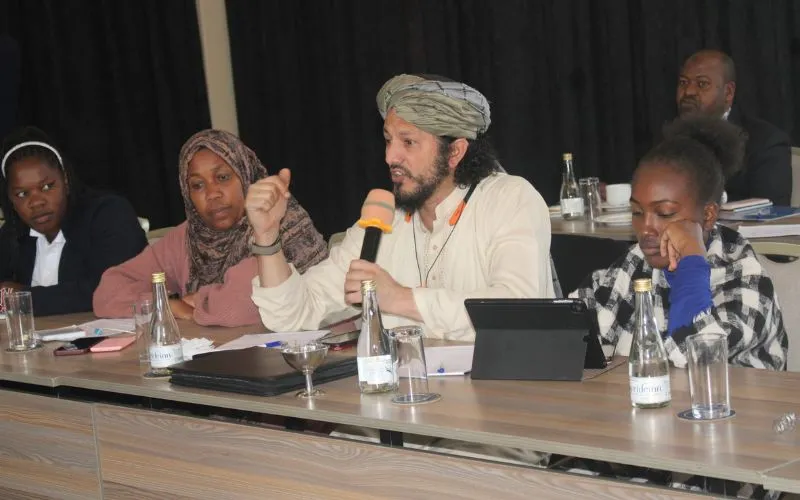
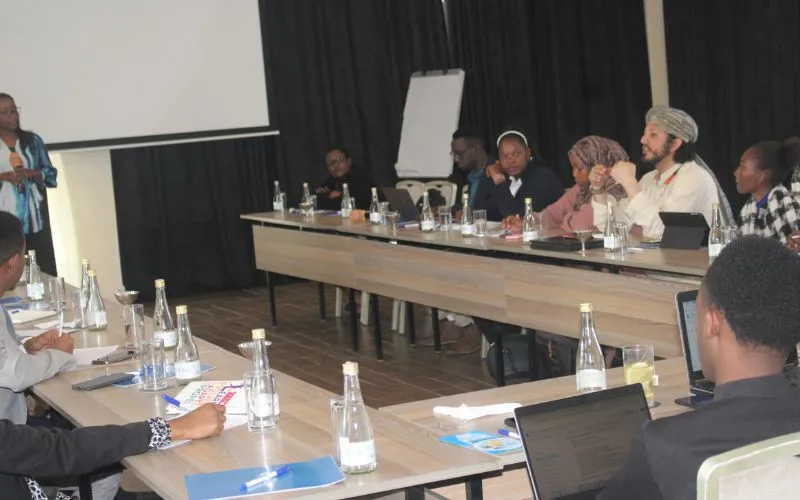
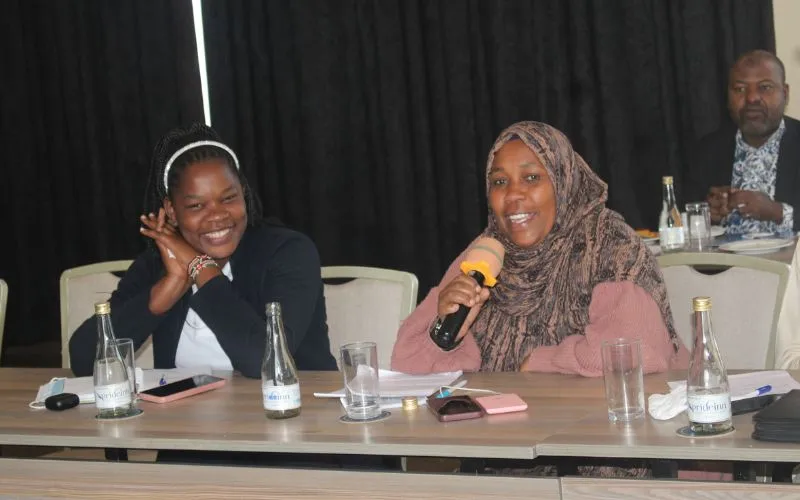
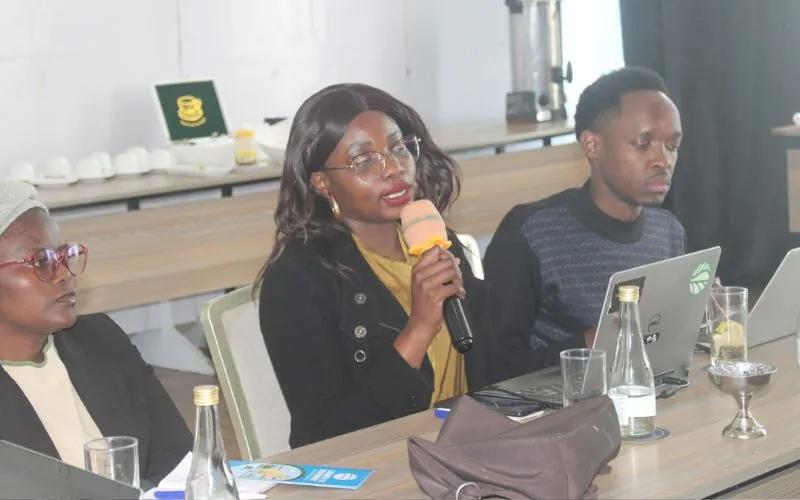
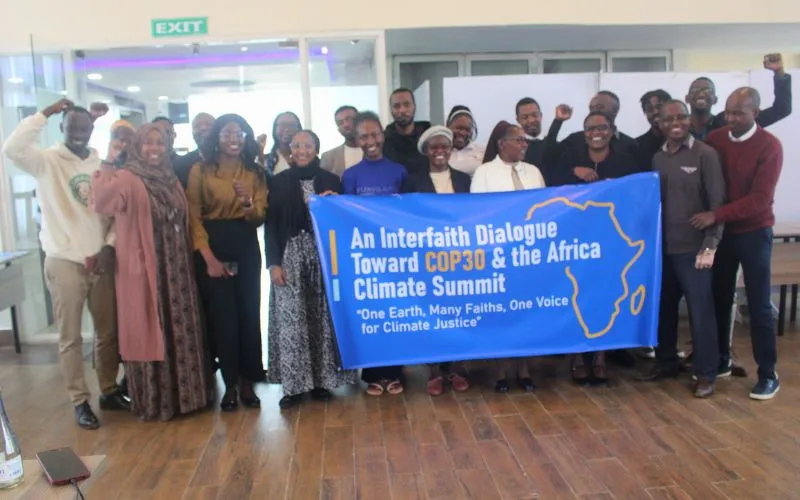
Participants of the cllimate summit held in Nairobi on Monday, July 28. Credit: ACI Africa

Faith groups in Africa have challenged African leaders to embrace economic systems that respect the dignity of all people, and not those focused on making profits, as the continent fights to protect biodiversity.

In a statement following their July 28 convention in Nairobi ahead of forthcoming climate summits in Ethiopia and Brazil, the faith groups that included Catholic representatives, urged African leaders to reject “extractive, short-term development models” that sideline citizens.

“We call upon African leaders to reject extractive, short-term development models that prioritize profit over people and ecosystems,” the faith leaders said in the statement they shared with ACI Africa on Wednesday, August 6.

Credit: ACI Africa

The faith groups instead urged African leaders “to embrace regenerative economic systems that protect biodiversity, restore degraded lands, and centre the dignity of all people.”

Advertisement

Following discussions during the July 28 convention, that included concerns of faith leaders being sidelined in climate related discussions, the leaders appealed to regional institutions to recognize the transformative potential of interfaith collaboration as a cornerstone of inclusive climate governance.

Organized ahead of the second African summit scheduled for September 8 to 10 in Addis Ababa, Ethiopia and the 2025 United Nations Climate Change Conference (COP30), scheduled for November 10 to 21 in Brazil, the Nairobi convention featured interfaith prayers and reflections and testimonies from frontlines across Africa.

Participants at the convention that  the Laudato Si’ Movement in Africa (LSM) organized also discussed fossil fuel phase-out, climate finance, and climate adaptation. They also explored ways to strengthen collaboration among faith-based climate actors.

Credit: ACI Africa

In the statement following the July 28 Nairobi convention, the faith groups in Africa “demand that global partners honour their climate finance and adaptation commitments, support Africa’s renewable energy transition, and acknowledge Africa’s rightful leadership in shaping global climate solutions.”

More in Africa

The African Summit, they say, “must be a sacred moment of reckoning and renewal, a covenant between humanity and creation. Let it mark the beginning of a collective journey toward ecological regeneration, social justice, and shared hope.”

The faith groups emphasize that the African summit “represents a defining moment in the continent’s pursuit of climate justice. Africa possesses the moral authority, the spiritual depth, and the visionary leadership necessary to chart a path toward a just and sustainable future.”

“We bring not only a prophetic voice but also tangible capacity, our grassroots networks, our ability to convene diverse constituencies, and our enduring legitimacy among communities,” they say, and add, “We stand ready to educate, mobilize, and accompany our governments, while also holding them accountable to the principles of justice, stewardship, and intergenerational responsibility.”

Credit: ACI Africa

The faith groups reaffirm their united voices in calling for “bold, inclusive, and justice-driven climate leadership, both within Africa and on the global stage.”

Advertisement

“Rooted in shared spiritual values of compassion, stewardship, intergenerational justice, and protection of the vulnerable, our faith traditions compel us to safeguard our common home and all life upon it,” they say.

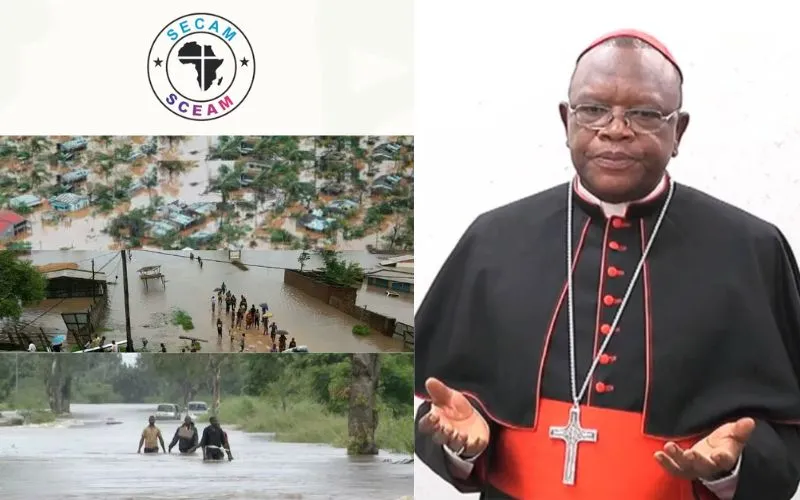
The faith groups highlight some of the scenarios in Africa which they blame for climate injustice, including the 2024-2025 record-breaking floods in West and Central Africa, and Droughts, desertification, and extreme heat across the Horn of Africa, among others.

These events, they say, “are interconnected symptoms of a climate emergency that intensifies inequality, compounds historical injustices, and disproportionately affects Africa’s most vulnerable communities.”

They find it regrettable that Africa, though it contributes less than four percent of global greenhouse gas emission, bears a profoundly unequal burden of climate impacts.
Credit: ACI Africa

(Story continues below)

Besides the climate injustices, the faith groups in Africa say that the world’s second largest continent faces deep structural challenges, including a debt burden, widening fossil fuel extraction and infrastructure expansion, and limited access to reliable climate finance.

“These overlapping crises demand urgent, coordinated responses rooted in justice, sustainability, and pan-African solidarity,” they say.

With their grassroots reach, deeply trusted moral authority, and capacity to mobilize collective action, the faith groups in Africa say they “are uniquely suited to catalyze transformative change.”

“From reforestation initiatives led by congregations to eco‑theological teachings in spiritual centres, our traditions have long championed harmony with creation and social resilience,” they say.
Credit: ACI Africa

Based on this tradition, the faith groups in Africa say, “we commit our voices, our networks, and our advocacy to amplify frontline experiences, raise public awareness, and bridge divides between communities, governments, and civil society.

The faith groups also highlight Africa’s rich resources, including renewable energy potential, Climate Finance Momentum and the Youth Mobilization and Intergenerational Justice as some of the opportunities that should be utilized to initiate change.

Silas Mwale Isenjia is a Kenyan journalist with a great zeal and interest for Catholic Church related communication. He holds a Bachelor’s Degree in Linguistics, Media and Communication from Moi University in Kenya. Silas has vast experience in the Media production industry. He currently works as a Journalist for ACI Africa.