

Advertisement

Catholic Church Leaders in Mozambique Decry Silence as Mosques Constructed on Land Snatched from Church

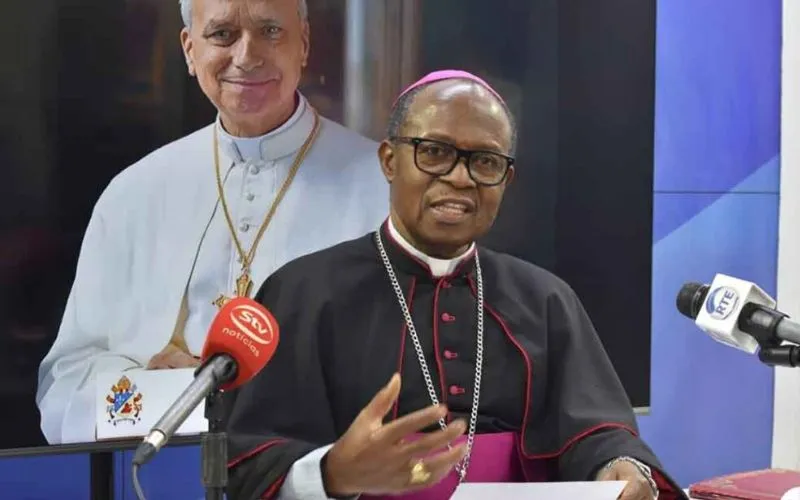
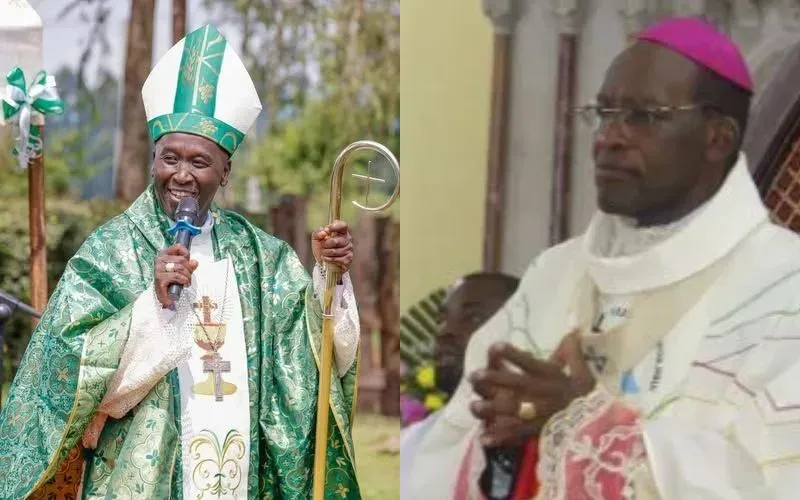
Archbishop Inácio Saure of Mozambique’s Catholic Archdiocese of Nampula. Credit: ACN

Archbishop Inácio Saure of Mozambique’s Catholic Archdiocese of Nampula and other Church leaders in the Southern African country have denounced illegal occupation of Church land in the country, and the inaction on the part of relevant authorities in the country.

In a report by the Catholic Pontifical and charity foundation, Aid to the Church in Need (ACN) International, the leaders disclose that Mosques are springing up on land snatched from the Church, in what they say raises fears of worsening interreligious relations in a country that is already suffering from an Islamist insurgency in Mozambique’s northern province of Cabo Delgado which neighbors Nampula. 

The invaded land includes plots on which the female congregation of the Servants of Mary, two seminaries, and the parish of St. John the Baptist in Marrare are located. 

“In at least one of these cases, a mosque has been built on the land adjacent to one of the seminaries,” reads a Monday, September 8 report by ACN. 

Archbishop Inácio Saure says in the report that Church land property has been vandalized, and so far, authorities have failed to act.
Advertisement

He says, in reference to the attackers, “They came and cut down many trees, and the wood was removed by truck. When we came to ask them to respect our private property, they appeared with machetes and spears. They threatened us and told us they were going to demolish the seminary.”

The attackers, he adds, also took away animals that were being reared by the Seminarians.

Despite the seriousness of the situation, authorities have taken no action, he says, adding that the issue has been ongoing for some time, and the Church has filed official complaints. 

On May 16, a court ordered the provisional restitution of possession of the land to the Church, but five months later, no practical action has taken place, says, the ACN report  

Archbishop Saure says that “officials who were sent there were chased away,” leading him to conclude that “there must be a very powerful, invisible, and untouchable hand encouraging the criminals.”  

More in Africa

He demanded that justice be served “so that our rights are restored, because these are the rights of the poor, as the Church and its works are at the service of the poor. It is not fair that the Church’s goods should be stolen in this way.”  

Meanwhile, Fr. Benvindo Isaías de Jesus, director of the local Catholic Radio Encontro, tells ACN that the illegal occupations began a long time ago, but have recently become intense. The situation, he does not look good for a country that does not have religious tolerance.

“Most of those who spearhead the current occupations are Muslim. Once they have taken the land, the first thing they do is build a mosque,” Fr. Benvindo says.

And according to Fr. José Luzia, a missionary who has been in the country for almost six decades, there is suspicion among the faithful. “Some claim that the apparently organized occupation of Church land in Nampula could be related to the fact that Archbishop Inácio Saure has recently spoken out very critically about the social and political situation in the country,” the Missionary tells ACN.  

Archbishop Saure held a press conference on September 3 and launched “a strong appeal, a call for help to all people of good will, in Nampula, in Mozambique, and all over the world, because it seems that the law is worth nothing in this country.” 

Advertisement

Sabrine contributed to the writing of this story

ACI Africa was founded in 2019. We provide free, up-to-the-minute news affecting the Catholic Church in Africa, giving particular emphasis to the words of the Holy Father and happenings of the Holy See, to any person with access to the internet. ACI Africa is proud to offer free access to its news items to Catholic dioceses, parishes, and websites, in order to increase awareness of the activities of the universal Church and to foster a sense of Catholic thought and culture in the life of every Catholic.