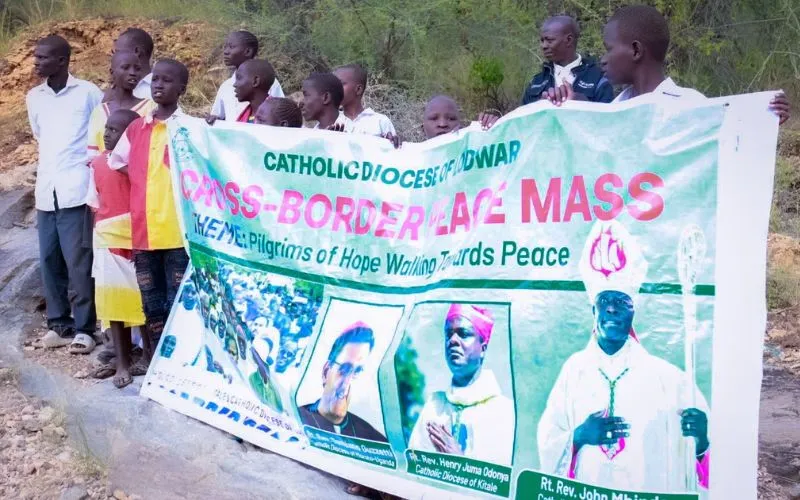
 Credit: Catholic Diocese of Lodwar
In 2014, suspected cattle rustlers ambushed Kapedo area and killed 20 Kenyan police, including reservists, in what government officials described as “one of the worst killings of law enforcers in a single incident” since the 2012 massacre of 42 police officers in Baragoi, an administrative center in Kenya’s Maralal Diocese.
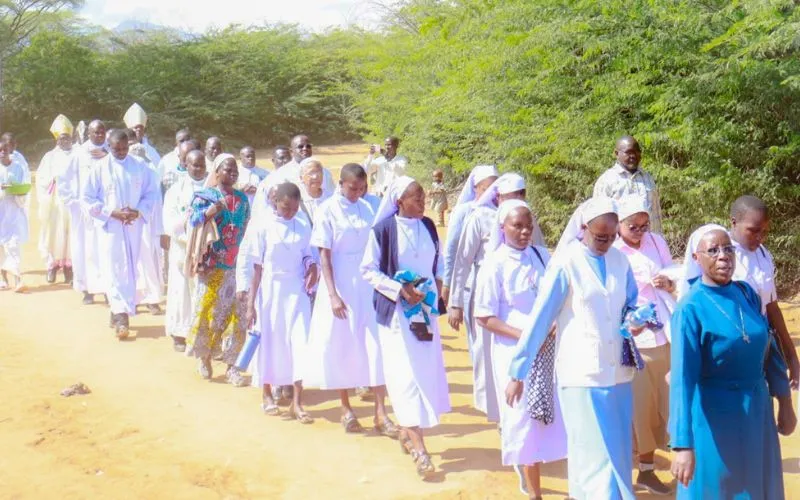
In the September 19 interview with ACI Africa, Bishop Mbinda said the Catholic Church has “been trying to enter even into those conflict areas, fearlessly, just to promote peace and talk with the stakeholders, the warriors, the elders, and whoever we can talk to so that we can restore peace.”
“The government is also present with its machinery, and we appreciate the support from the government also in its own way. But for us we want to go the prayer way and the way of advocacy so that we can have peace among these warring communities,” he stated.
 Credit: Catholic Diocese of Lodwar
(Story continues below)
He went on to attribute the persistent conflicts in the North Rift region to historical marginalization, lack of education, and deeply rooted cultural practices.
The first-ever Kenyan Spiritan Bishop told ACI Africa, “One key factor we must accept is that those peripheral areas were long isolated and missed out on development seen elsewhere in Kenya. Education barely reached these places, so many people had few opportunities to earn a living.”
“As a result, raiding became a way to survive. For example, a man who lacked livestock to pay a dowry might steal from a neighbour to marry,” he said.
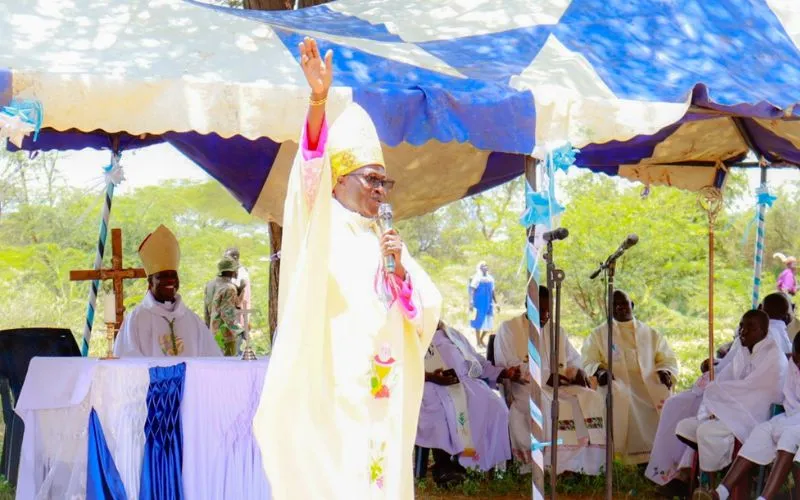 Credit: Catholic Diocese of Lodwar
Bishop Mbinda also noted that “cycles of revenge” and “traditional roles play a part, with warrior culture encouraging young men to move between communities provoke reactions, and loot livestock.”
To break the cycle, he underscored the need for formal education, advocacy, and a re-examination of harmful traditions. He appealed to elders and leaders in the conflict-prone North Rift region to take responsibility for guiding their communities toward peace.
For him, “If we collaborate to address these issues, we can identify the traditions that need to be adjusted or abandoned altogether, especially traditions that do not promote peace, so that we can build and sustain lasting harmony.”
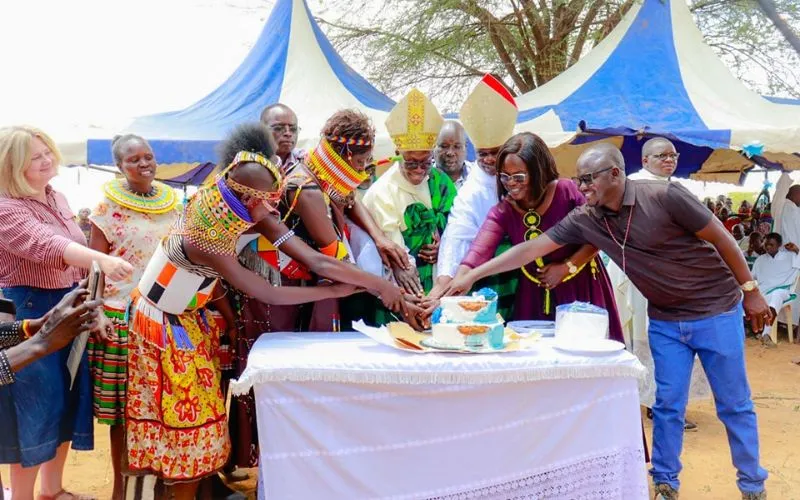 Credit: Catholic Diocese of Lodwar
“Peace is paramount (and) good for each one of us,” Bishop Mbinda emphasized, and urged the people of God in Turkana, West Pokot, neighbouring Dioceses in Uganda, South Sudan, and Ethiopia to prioritize peace over conflict.
He said, "Each one of us should be an ambassador of peace, preaching peace from their own hearts, and then also being ambassadors of peace wherever they are, so that we can coexist and walk together as the Synod has invited us.”
Nicholas Waigwa is a Kenyan multimedia journalist and broadcast technician with a professional background in creating engaging news stories and broadcasting content across multiple media platforms. He is passionate about the media apostolate and Catholic Church communication.



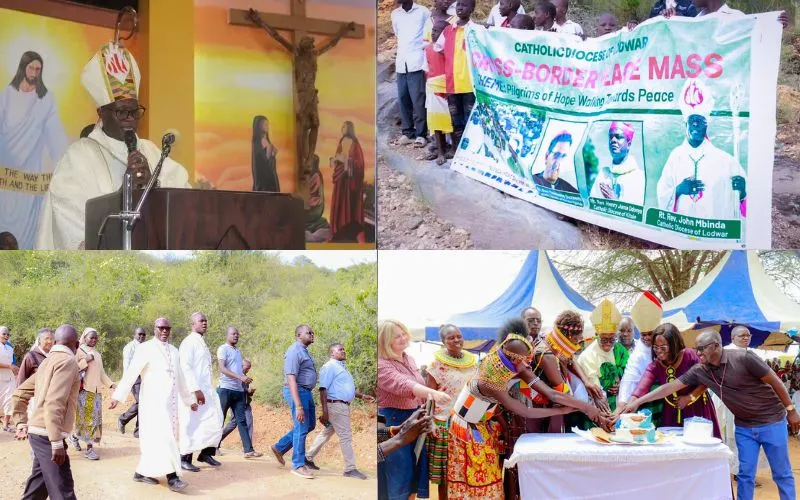

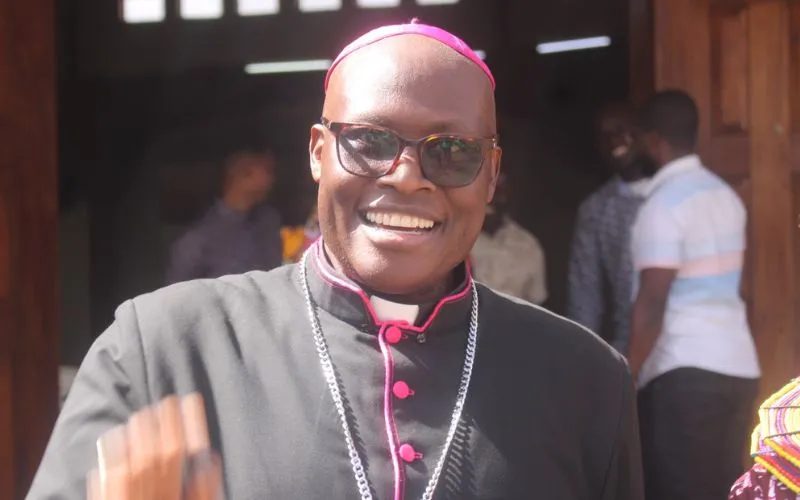 Bishop John Mbinda of the Catholic Diocese of Lodwar in Kenya. Credit: ACI Africa
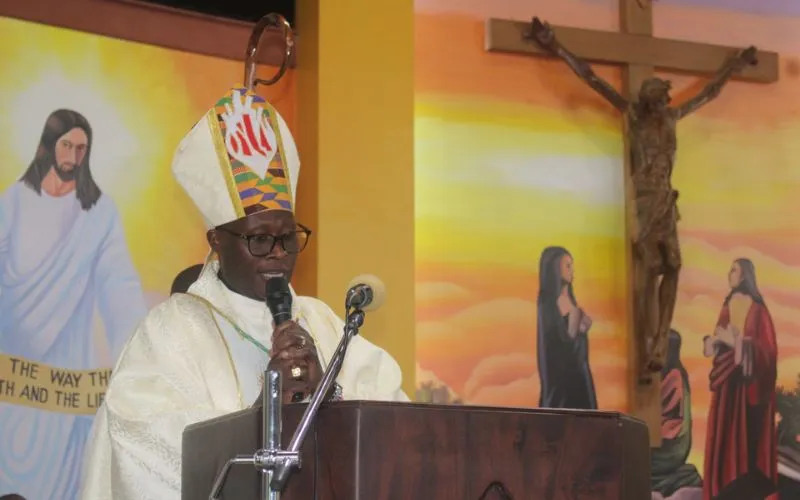 Bishop John Mbinda of the Catholic Diocese of Lodwar in Kenya. Credit: ACI Africa
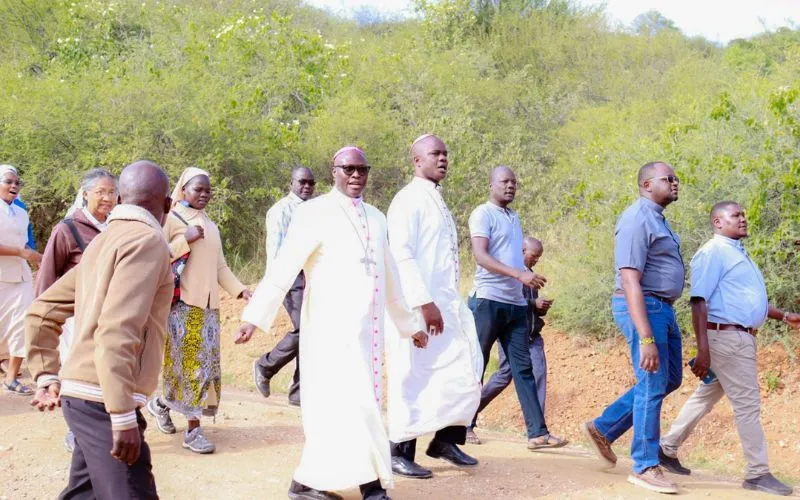 Credit: Catholic Diocese of Lodwar