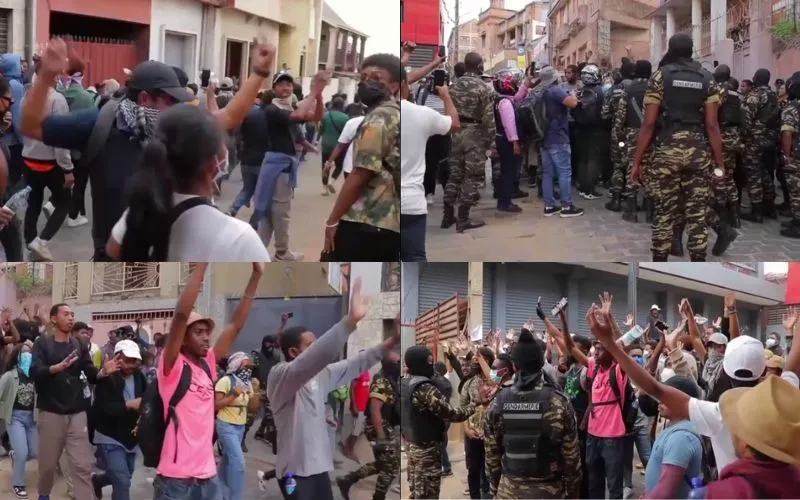
On October 1, during his weekly General audience, Pope Leo XIV expressed concern about the deadly protests, and implored, “Let us pray to the Lord that all forms of violence may always be avoided and that the constant pursuit of social harmony may be fostered through the promotion of justice and the common good.”
On their part, members of the Episcopal Conference of the Indian Ocean (CEDOI) expressed their solidarity and “spiritual closeness” with the people of God in Madagascar following the protests.
In an October 5 statement, CEDOI members said, “In these moments of tension and trial, we wish to assure you of the fraternal and spiritual closeness of the Churches of the Indian Ocean.”
Meanwhile, Fr. Paul Sympenue, a native of Madagascar, has said that the Catholic Church wields significant influence in the politics of the Indian Ocean nation, often serving as a moral voice and a mediator in moments of national crisis.
“The Catholic Church has a lot of say as far as politics of Madagascar are concerned,” Fr. Sympenue told ACI Africa, noting that the close relationship between the Church and the State has been partly due to the ousted President Rajoelina’s strong ties with the Catholic faith.
(Story continues below)
“The president is a very active Catholic member himself, and he likes attending Catholic functions, both national and Diocesan,” he said, adding that this cordial relationship gave the Church a platform to speak out on national issues.
The Malagasy member of the Congregation of the Holy Spirit (CSSp./Holy Ghost Fathers/Spiritans) recalled, “Many times Bishops are called to give their views on the state of the nation, and the Episcopal Conference could write to the president about issues affecting the country and the people—lack of electricity, lack of clean water, the high cost of living, education, and health.”
The Kenya-based Spiritan Priest said that the Catholic Church also plays a central role in peacebuilding and national reconciliation during political crises.
“Any political crisis in Madagascar, the Catholic Church always intervenes in the name of Malagasy brotherhood—Fihavanana Malagasy,” he shared, and continued referring to FFKM, “This is not just Catholic leadership but also other churches that belong to the ecumenical movement ... Many times, they initiate political or brotherhood dialogue among political stakeholders.”
Recalling the recent Gen Z–led demonstrations, which started while President Rajoelina was attending the United Nations General Assembly in New York, Fr. Sympenue said, “The president was not around, and Gen Z took advantage of that and went to the streets. When the president came back, he gave a press briefing and asked forgiveness for the failure.”
In response to the unrest, the country’s Catholic Bishops called for dialogue between the president and the youth, he recalled, and added, “The Episcopal Conference gave a statement and called for dialogue between the president and Gen Z, and it happened at the State House.”
“(Désiré Cardinal Tsarahazana) also spoke about some of the issues affecting the country,” the Spiritan Priest said, emphasizing the Church’s continued moral leadership in guiding the nation “towards peace, dialogue, and national unity.”
ACI Africa was founded in 2019. We provide free, up-to-the-minute news affecting the Catholic Church in Africa, giving particular emphasis to the words of the Holy Father and happenings of the Holy See, to any person with access to the internet. ACI Africa is proud to offer free access to its news items to Catholic dioceses, parishes, and websites, in order to increase awareness of the activities of the universal Church and to foster a sense of Catholic thought and culture in the life of every Catholic.