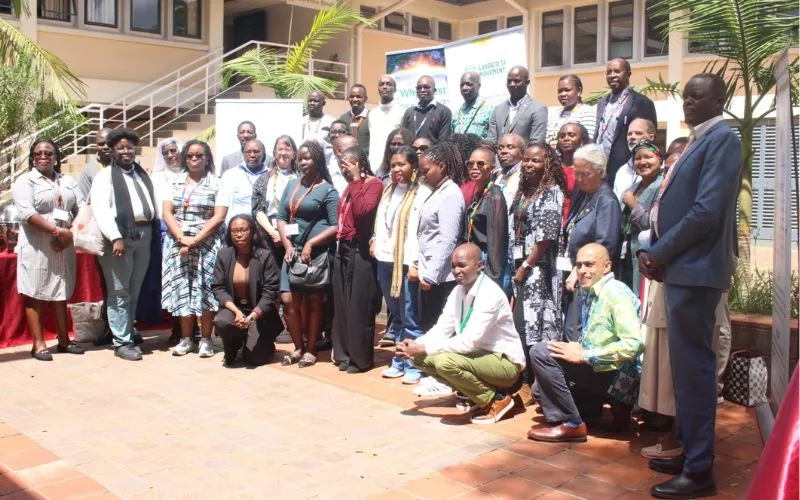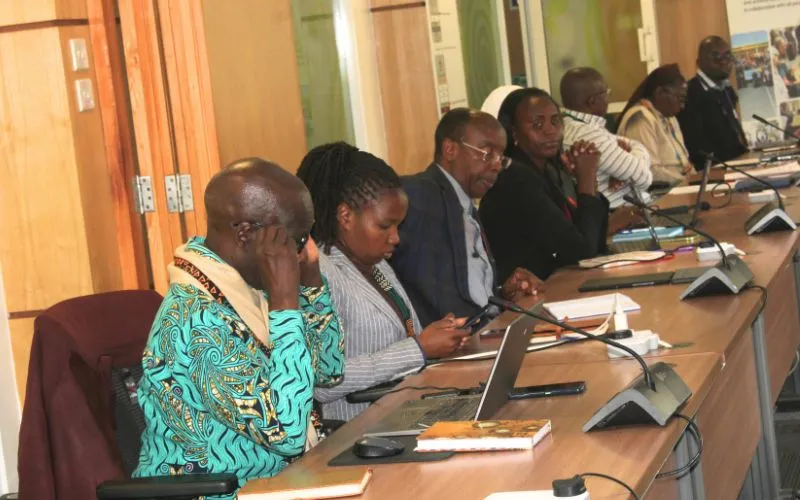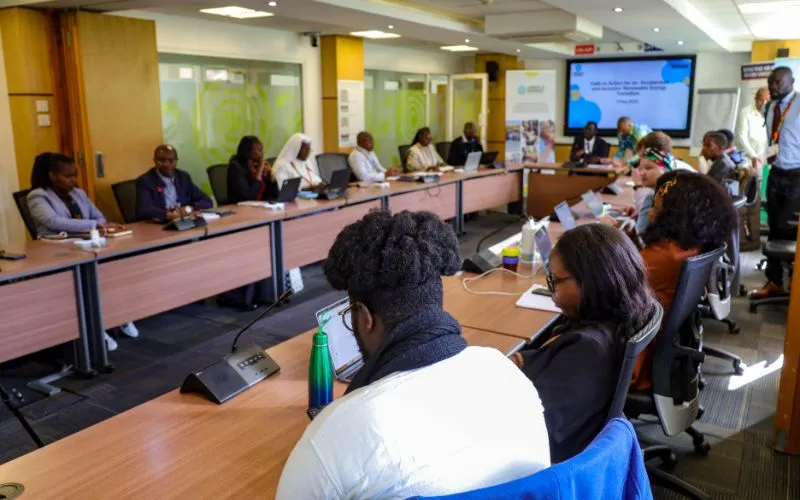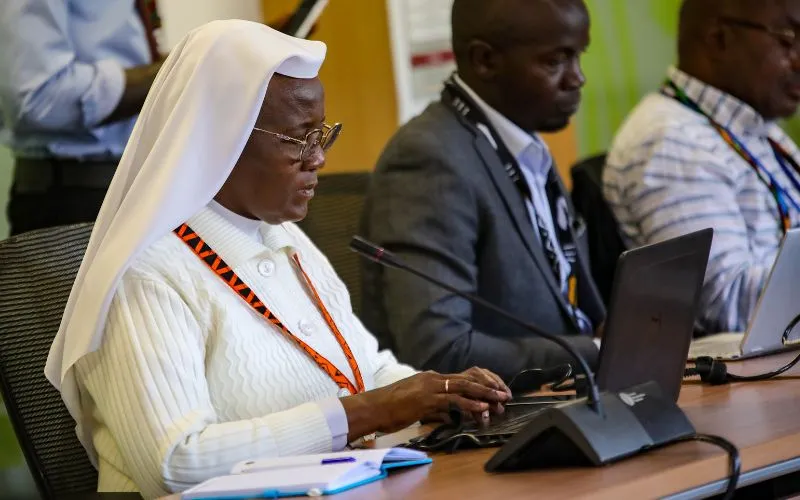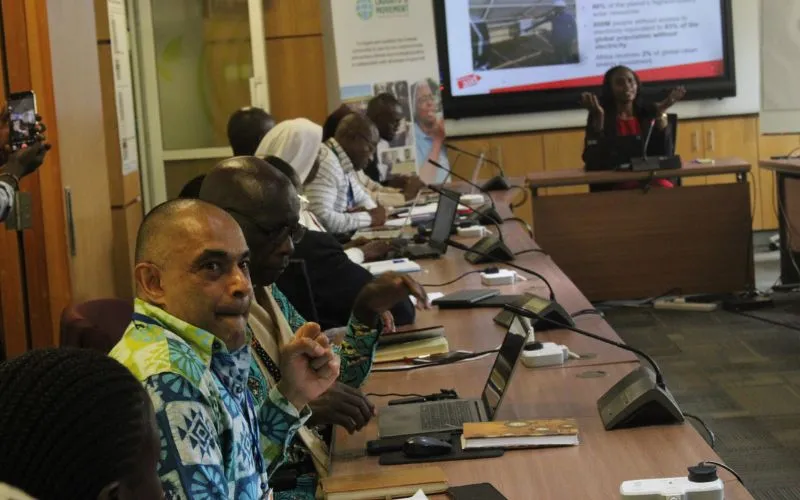


Bringing together delegates from various faith groups across the African continent, the event sought to reiterate and bolster the stance of the faith groups on the need to act swiftly on the transition to clean energy in Africa.
The event that was held at the World Agroforestry Centre (ICRAF) in Nairobi was built on the faith groups’ commitment that calls for an energy transition grounded in the principles of integral ecology and inclusive participation.
Other topics deliberated at the event included the implications of the COP30 outcomes for the continent's renewable energy transition, setting the stage to hold decision-makers accountable for translating COP30 commitments into tangible action during and after UNEA-7 discussions.
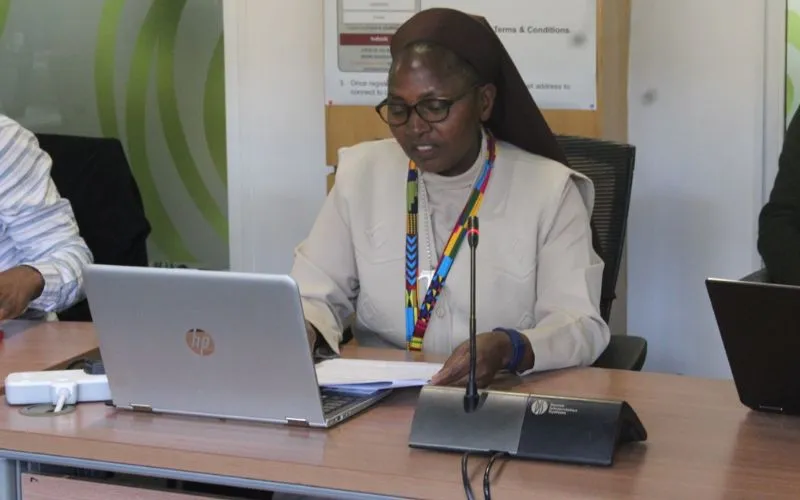
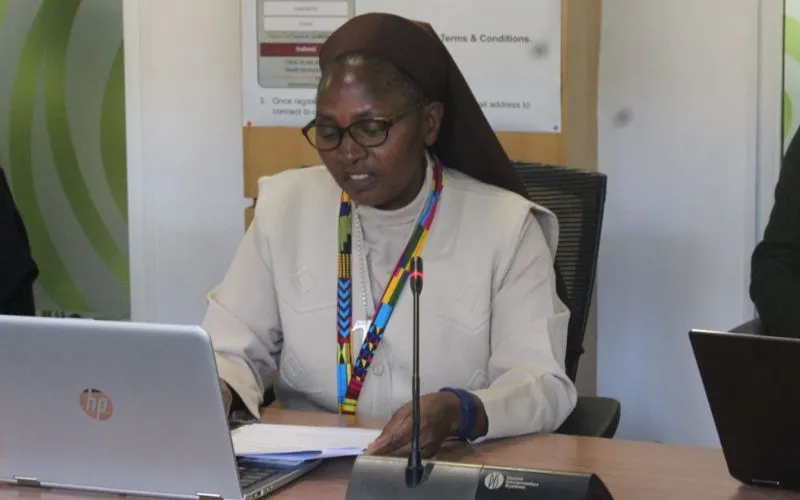
In her December 9 presentation, Sr. Wangari said that it is unfortunate that when discussing the climate crisis, the focus is normally placed on carbon emissions and rising temperatures, yet the deeper issue lies within the human heart and shared moral responsibility.
“A true ecological approach is a relational one, an approach that listens to both the cry of the earth and the cry of the poor. Too often we see external actors imposing solutions on communities without first asking what they need,” she said.
The Kenyan-born member of the Little Sisters of St. Joseph – Africa (LSSJ-J) emphasised that community participation must be central, even in the renewable energy transition, adding, “When people are invited to share their experiences and express their needs, they embrace the transition with positivity, ownership, and hope.”
In considering the transition, Sr. Wangari emphasised the importance of examining energy security and its impact on communities, including the benefits of renewable energy and its effects on the health and livelihoods of the people in the community.
“Faith leaders must advocate for an equitable future for all. Renewable energy can help build such a future by strengthening community resilience—economically, socially, and environmentally,” she said.
She added, “Linking the Sustainable Development Goals to renewable energy, SDG 17, Partnerships for Sustainable Development, is especially important. By bringing together our collective efforts as partners, renewable energy can move from being a general idea to becoming a practical reality that benefits everyone.”
Silas Mwale Isenjia is a Kenyan journalist with a great zeal and interest for Catholic Church related communication. He holds a Bachelor’s Degree in Linguistics, Media and Communication from Moi University in Kenya. Silas has vast experience in the Media production industry. He currently works as a Journalist for ACI Africa.