 Credit: ACI Africa
“The great of this earth have no idea how their decisions and laws affect the little men and women of the street,” he said.
Leaders may invoke “mwananchi” (Kiswahi for ordinary citizen) and celebrate the “hustlers” (in Kenya, an enterprising person who is determined to succeed and "makes things happen" through hard work, often against significant odds in a challenging economy) during campaigns, only to forget them once in power, Archbishop van Megen said, adding, “It is the little man or woman of the street who will suffer most.”
Yet even these flawed structures, he stressed, were mysteriously used by God. “You might even say that God used Caesar Augustus so as to guide the history of humanity towards the birth of the Son of God in Bethlehem,” he observed.
Referring to the decisive Nativity of Jesus Christ, Archbishop van Megen noted that while the emperor celebrated in Rome, “a new emperor was born in a stable in Bethlehem,” an event Augustus never knew had been shaped, in part, by his own policies.
(Story continues below)
Explaining the contrast, the representative of the Holy Father in Kenya said that the child born in Bethlehem directly challenged imperial ideas of power and salvation. “He would be called Son of God, the same way as the emperor was called Divi Filius, ‘the divine son’, but this infant was born in a stable and not in a palace. He was truly the child of a hustler’s couple, of mwananchi,” he said about the Nativity of Jesus Christ.
The Gospel scene of angels announcing the birth to shepherds further underlined this reversal, Archbishop van Megen said, and quoting Luke’s Gospel passage for Christmas Night Mass, recalled, “Glory to God in the highest, and on earth peace among men with whom He is pleased.”
For the Apostolic Nuncio in Kenya, this heavenly proclamation carried a clear message: “Glory pertains to God in the highest. God, the King of the Universe, is the only venerable, the only one worthy of adoration.”
For Africa, a continent that knows both the promises and disappointments of political power, the Apostolic Nuncio’s words carried particular weight. True peace, he insisted, “does not come from alliances with the emperor but from adoring God in justice and truth.” While poets once claimed that a new era began with Augustus, “now with the Child Jesus the world started all over again.”
Reflecting on the calendar itself, the Nuncio reminded the faithful: “We live in the year of the Lord 2025, moving into 2026. A new era started.” Christmas, he said, invites believers to pause in the “silent night” and contemplate a God who “enters in our history into our poverty.”
Turning the focus inward, he urged Catholics to read their own lives through this lens of providence. “Tonight, we may look into our personal history and see how God set the beacons for us so as to meet Him in our lives,” he said, encouraging gratitude for both joyful and painful events, all held “within divine providence.”
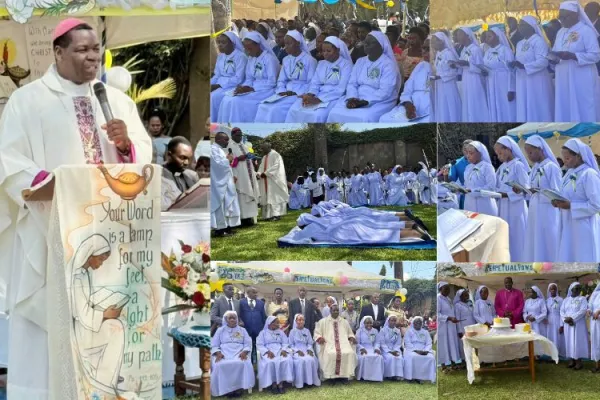
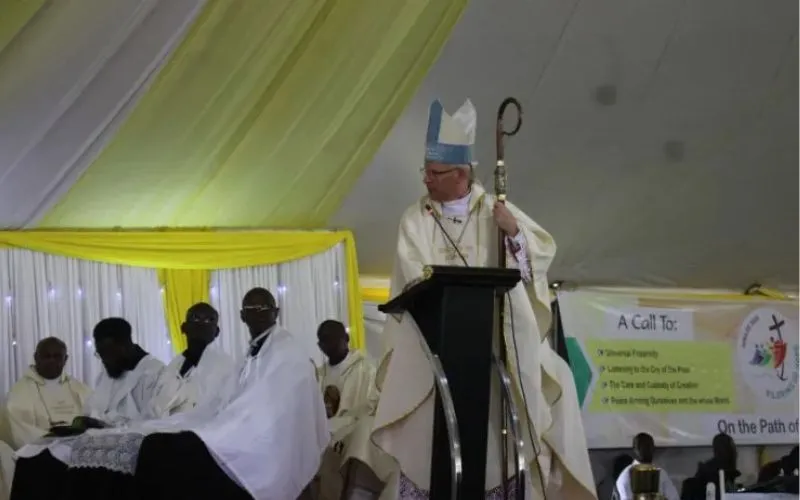 Credit: ACI Africa
Standing at the altar of the Carmelite sisters, the Nuncio returned to his central question: “What does God want to tell us here, what does he want to show us?” His answer lay in the humble manger of Bethlehem and in the call articulated by St Paul: a grace that trains believers “to live sober, upright and godly lives in this world,” while awaiting Christ, “our great God and Savior Jesus Christ.”
As Africa moves into a new year marked by uncertainty and hope, the Nuncio concluded with a prayer that echoed across the continent: “May this Christmas truly be a blessed Christmas. May He be our Savior who brings good news to all people of goodwill.”
ACI Africa was founded in 2019. We provide free, up-to-the-minute news affecting the Catholic Church in Africa, giving particular emphasis to the words of the Holy Father and happenings of the Holy See, to any person with access to the internet. ACI Africa is proud to offer free access to its news items to Catholic dioceses, parishes, and websites, in order to increase awareness of the activities of the universal Church and to foster a sense of Catholic thought and culture in the life of every Catholic.



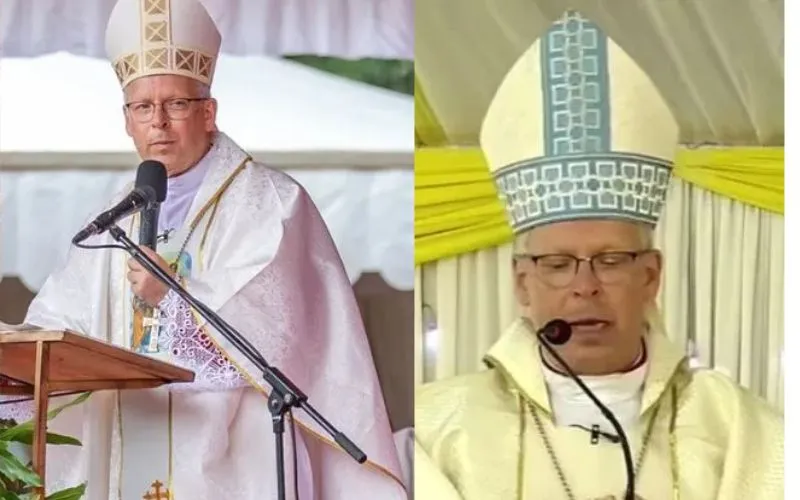

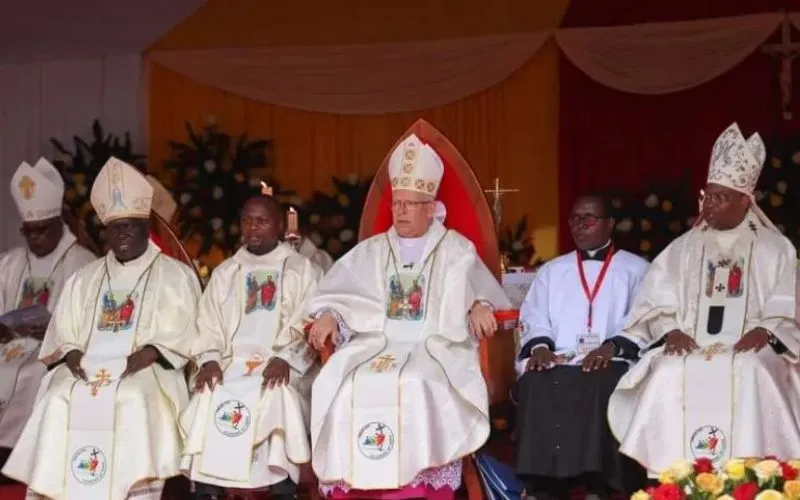
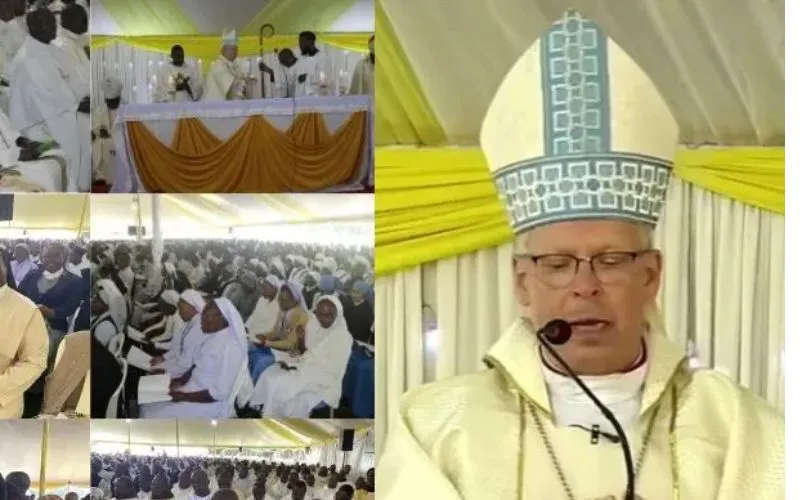 Archbishop Hubertus van Megen during the Saturday, 1 February 2025 celebration of the 2025 Jubilee Year for the Consecrated in the Catholic Archdiocese of Nairobi (ADN). Credit: ACI Africa
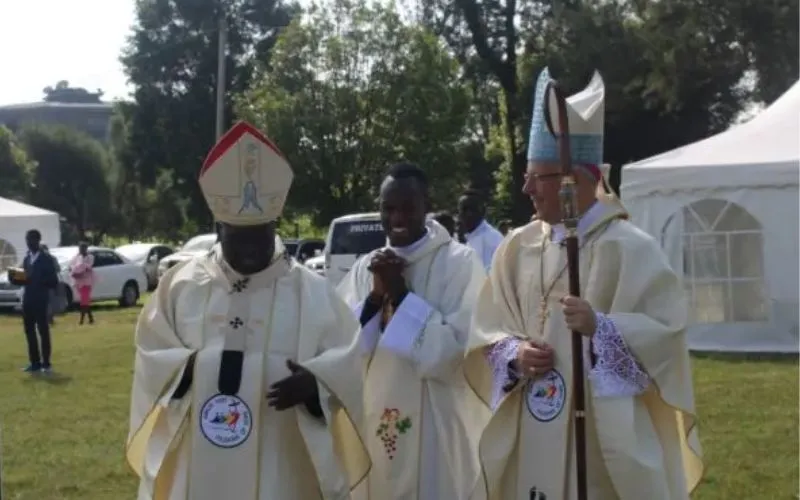
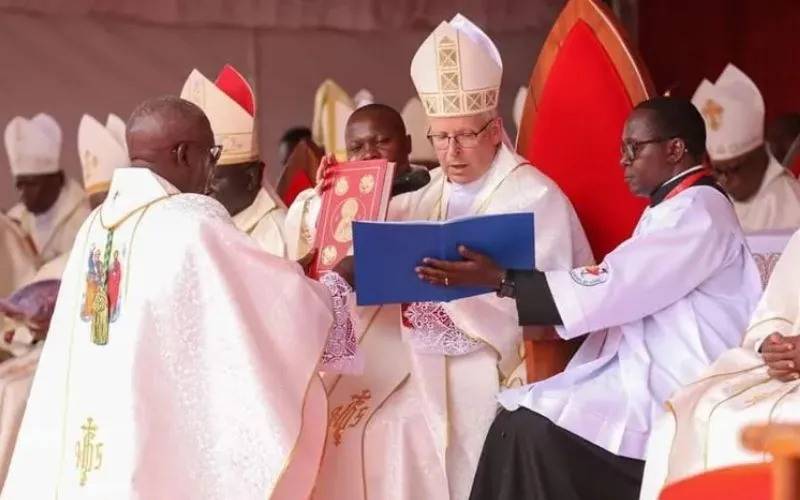
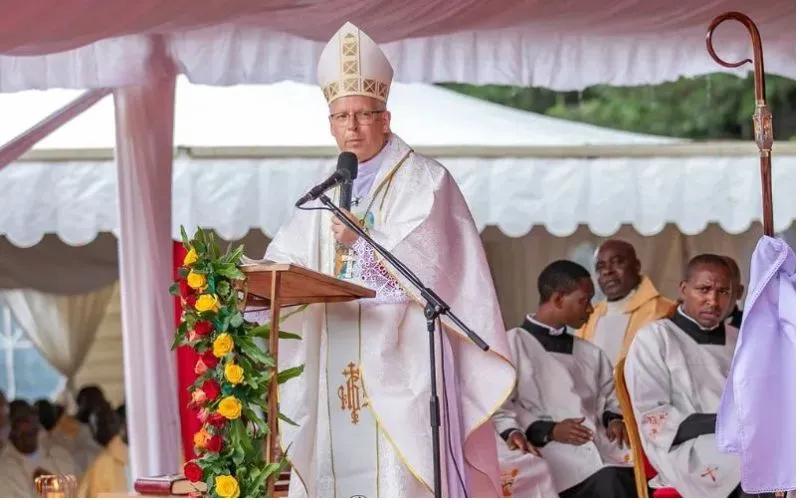 Archbishop Hubertus van Megen during the Episcopal Consecration and Installation of Bishop Peter Kimani Ndung’u as Local Ordinary of Embu Diocese in Kenya. Credit: Catholic Archdiocese of Nairobi (ADN)
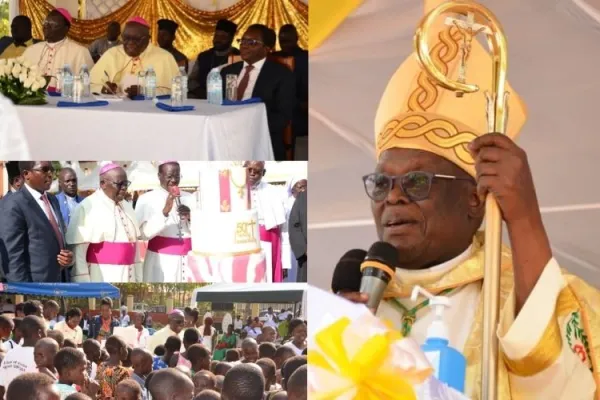
 Credit: Catholic Archdiocese of Nairobi (ADN)
 Credit: Catholic Archdiocese of Nairobi (ADN)