This engagement reflects the Catholic Church’s broader self-understanding as a companion of the Angolan people, not only a spiritual guide, but also a guardian of human dignity and social cohesion.
- A nationwide institutional footprint in education and healthcare
The Catholic Church’s influence in Angola is reinforced by a robust institutional presence that extends across the entire country. Organized into Dioceses and Archdioceses covering all regions, the Catholic Church in Angola runs thousands of parishes and outstations.
Beyond pastoral ministry, the Catholic Church plays a major role in education and healthcare, operating primary and secondary schools, vocational institutions, hospitals, and clinics. Among the flagship institutions of the Church in Angola the Catholic University of Angola, which contributes to intellectual formation and public discourse.
The Catholic Church’s work in Angola is underpinned by a formal legal framework governing relations between the Angolan state and the Holy See. The Framework Agreement, signed on 13 September 2019, and in force from 21 November 2019, commits both parties to cooperation for the spiritual and material wellbeing of all, while respecting the dignity and rights of the human person.
(Story continues below)
Under the agreement, the Angolan state recognizes the juridical personality of the Catholic Church and its ownership of Church property, providing a stable legal basis for the Church’s pastoral, educational, healthcare, and social activities nationwide.
On 14 October 2021, ACI Africa reported that the regulatory and administrative instruments of the agreement were expected to facilitate the Church’s role in working for the common good, according to the President of the Bishops' Conference of Angola and São Tomé and Príncipe (CEAST), Archbishop José Manuel Imbamba of Angola’s Saurimo Catholic Archdiocese.
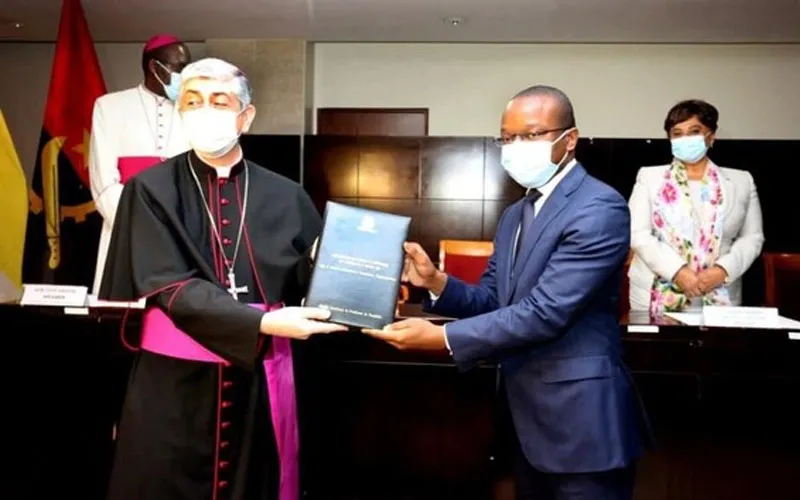 The then Apostolic Nuncio in Angola, Archbishop Giovanni Gaspari receives the regulatory and administrative instruments of the Framework Agreement signed between the Holy See and the Republic of Angola in 2019 from Angola's Minister of State and Head of the Civil Cabinet of the President of the Republic, Adão de Almeida. Credit: Courtesy Photo
The strength of this Church–State collaboration was highlighted again in March 2024, when Archbishop Giovanni Gaspari, then Apostolic Nuncio to Angola and São Tomé & Príncipe, described the partnership as “wonderful.”
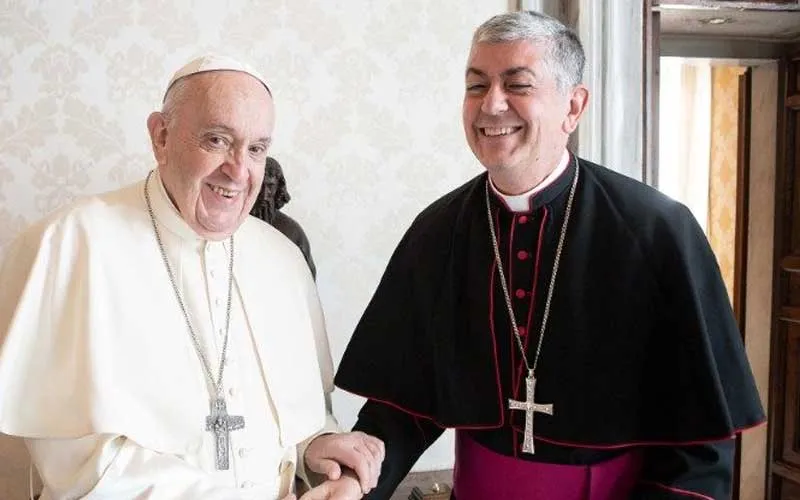 Archbishop Giovanni Gaspari with the late Pope Francis in Rome. Credit: Vatican Media
Speaking to journalists after a farewell audience with the Speaker of Angola’s National Assembly, Carolina Cerqueira on 27 March 2024, Archbishop Gaspari expressed his “gratitude to the civil authorities for the wonderful partnership they have with the Holy See, bonds of friendship between the Republic of Angola and the Holy See that go back centuries.”
Archbishop Gaspari also praised the Church’s contribution to society, saying, “Gratitude also to the Catholic Church here in Angola, which is doing great, beautiful, important work for the good of the people and for human dignity; this is our mission.”
During the formal handover of the regulatory instruments in October 2021, the President of CEAST, Archbishop Imbamba, thanked the Angolan State for its “willingness to collaborate with the Catholic Church.”
“Today we are receiving these instruments that will regulate all our social and pastoral activities for the good of all of us,” Archbishop Imbamba said on 12 October 2021, adding that the agreement will “allow the Church to work for the common good… in the path of good, justice, peace and unity.”
Together, these developments underscore how the 2019 Framework Agreement between between the Vatican and the Republic of Angola provides the Catholic Church with a secure platform to engage Angolan society through dialogue, service, and evangelization.
- Unity, communion, and fraternity as core pastoral themes
In a society marked by ethnic, political, and social diversity, Catholic Bishops in Angola have repeatedly stressed unity as a Gospel imperative and a national necessity.
During the 2024 Week of Prayer for Christian Unity (WPCU), Bishop António Lungieki Pedro Bengui urged the faithful to “preserve the values of unity, communion and fraternity.”
The Auxiliary Bishop of Luanda Catholic Archdiocese said that the three values are at the heart of the WPCU initiative, which members of the Council of Christian Churches in Angola (CICA) had convened.
“I think that as men and women who believe in God, who follow Jesus, we are in a position to preserve these values,” the Angolan Catholic Bishop told journalists after the 19 January 2024 ecumenical prayer session that brought together Christians from the United Methodist Church, the Catholic Church, the Salvation Army Church, and the Anglican Church, among others at Our Lady of Fatima Catholic Parish of Luanda Archdiocese.
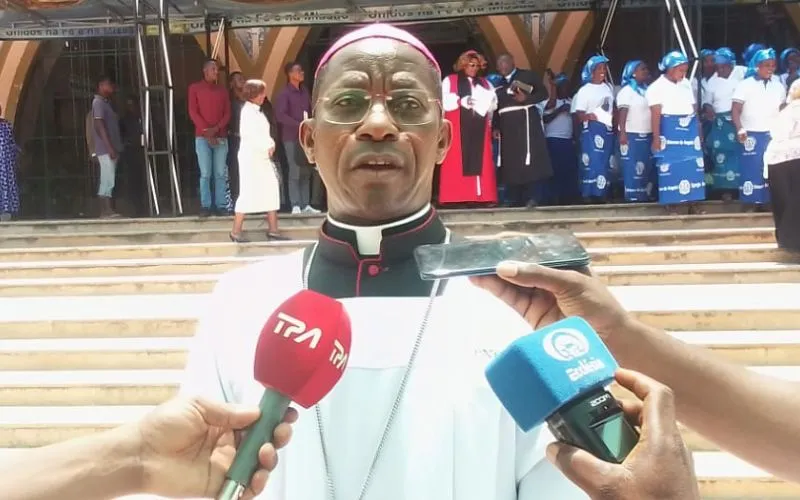 Bishop António Lungieki Pedro Bengui. Credit: ACI Africa
Bishop António’s emphasis resonates deeply in a country emerging from decades of division, positioning the Catholic Church as a bridge-builder – both within Christianity and across society more broadly.
- A Church on the frontlines of migration and humanitarian response
Angola’s geographic location places it at the crossroads of regional instability, particularly from neighbouring Democratic Republic of the Congo (DRC).
In response, the Catholic Church has taken on a visible humanitarian role, especially in border areas. As ACI Africa reported in February 2025, Church leaders have stressed their readiness to welcome displaced people as brothers and sisters “seeking relief.”
Speaking to ACI Africa on 12 February 2025, the Executive Secretary of the Episcopal Commission for the Pastoral Care of Migrants and Itinerants (CEPAMI) in Angola said that the Catholic Church, through the Pastoral for Migrants, was on alert at border Dioceses, particularly in Uíje Diocese and Mbanza Congo Diocese, to welcome the refugees.
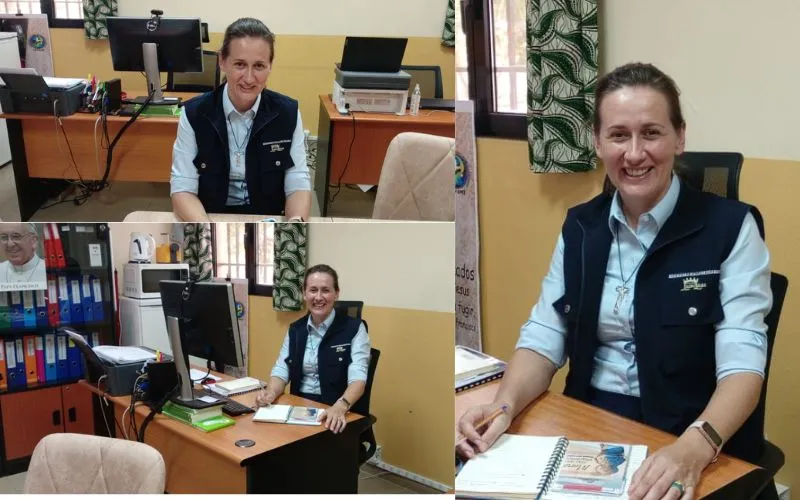 Sr. Carla Luísa Frei Bamberg. Credit: ACI Africa
“We are prepared at the borders, especially in the Dioceses bordering Congo, to ensure that any arrivals are met with care and support,” Sr. Carla Luísa Frei Bamberg said, and added, “Our animators in the Pastoral for Migrants are ready to receive these individuals not as intruders, but as brothers seeking relief from dire situations.”
This approach reflects Catholic social teaching in action, linking evangelization with concrete acts of solidarity and care for the vulnerable.
- Evangelization in a competitive and plural religious landscape
While Catholicism remains dominant, Angola’s religious landscape is increasingly plural and competitive. Protestant, Evangelical, Pentecostal, and charismatic churches have grown rapidly in recent decades, particularly in urban areas, among young people, and through popular media.
Traditional African religions continue to exert cultural influence, often blending with Christian practice, while Islam and other minority faiths maintain a small but visible presence.
Church leaders have expressed concern about this shift. For instance, Bishop Maurício Agostinho Camuto of the Catholic Diocese of Caxito in Angola identified the upsurge of “sects” in his Episcopal See as a major pastoral challenge that must be addressed to safeguard the people of God under his pastoral care from being led astray.
In an interview with ACI Africa on the pastoral situation of his Diocese on 26 January 2025, Bishop Camuto lauded the ecumenical spirit that he said the Catholic Church is having with members of other Christian denominations.
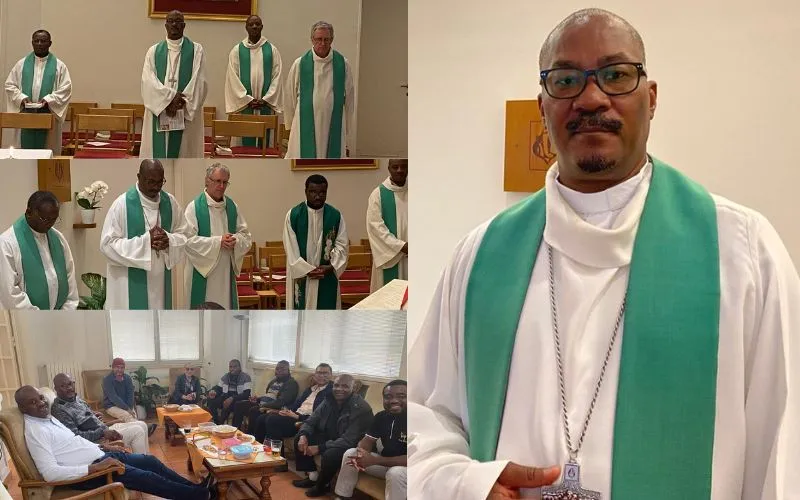 Bishop Maurício Agostinho Camuto of the Catholic Diocese of Caxito in Angola. Credit: ACI Africa
“It is a small Diocese, but with many challenges, especially the challenge of evangelization itself,” he said about the Angolan Episcopal See that has a total area of 18,916 square kilometers, having been carved out from the Catholic Archdiocese of Luanda in June 2007.
The influence of Protestantism in the territory of Caxito Diocese has been significant, the Angolan member of the Congregation of the Holy Spirit (CSSp./Holy Ghost Fathers/Spiritans) said, adding that as Catholics, “we are currently involved in ecumenism with our other brothers and sisters of the other Christian denominations, including Protestant churches.”
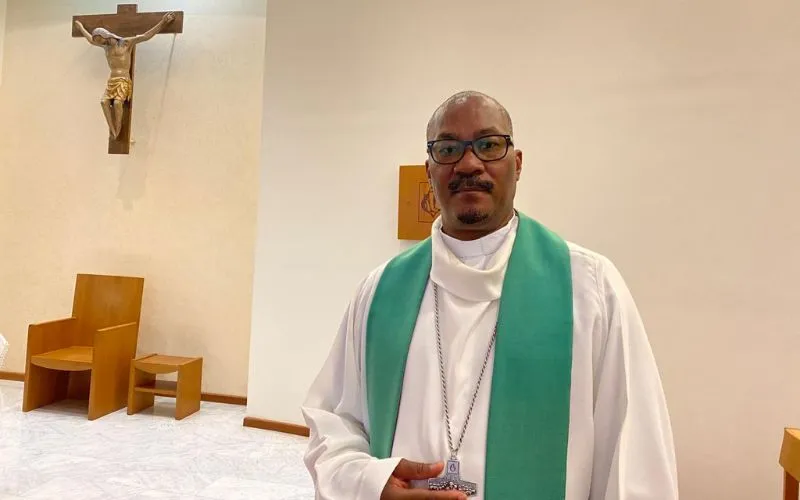 Bishop Maurício Agostinho Camuto of the Catholic Diocese of Caxito in Angola. Credit: ACI Africa
For the Catholic Church, this reality has sharpened the urgency of evangelization that is both doctrinally grounded and culturally engaging.
- Youth, media, and vocations shape the Church’s future
With a predominantly young population, Angola’s Catholic Church sees youth formation as decisive for its future.
Catholic media, especially Radio Ecclesia, which enjoys wide national reach, plays a central role in evangelization, civic education, and shaping public opinion.
At the 29th National Youth Assembly in July 2025, Archbishop Luzizila Kiala of the Catholic Archdiocese of Malanje encouraged young people to witness the joy of the risen Christ with hope, courage, concrete action, and in a spirit of service.
“Christian hope is not a vague idea or a simple optimistic feeling, but a living and transformative force born from a personal encounter with Jesus Christ,” Bishop Kiala said in his homily during the opening Mass of the 29th National Youth Assembly on 25 July 2025.”
At the same time, Church leaders have raised concerns about shortages of missionaries and vocations in some dioceses.
Archbishop Kiala has previously appealed to the faithful to “persistently pray for vocations,”
lamenting a dearth of pastoral agents.
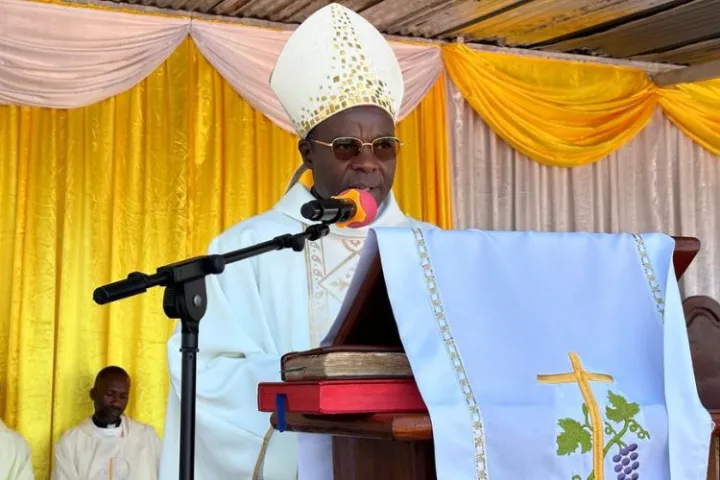 Archbishop Luzizila Kiala of the Catholic Archdiocese of Malanje in Angola. Credit: Radio Ecclesia
“It is urgent that we persistently pray for young people called to the Priesthood and Consecrated Life, because we are lacking missionaries in our municipality,” he said at the start of his four-day pastoral visit to Our Lady of Fatima Quela Parish of his Metropolitan See on 4 July 2025.
He reiterated, “The shortage of missionaries across these 27 municipalities is severe. We cannot continue without women and men Consecrated to evangelize and serve these communities.”
A Church at a moment of visibility and mission
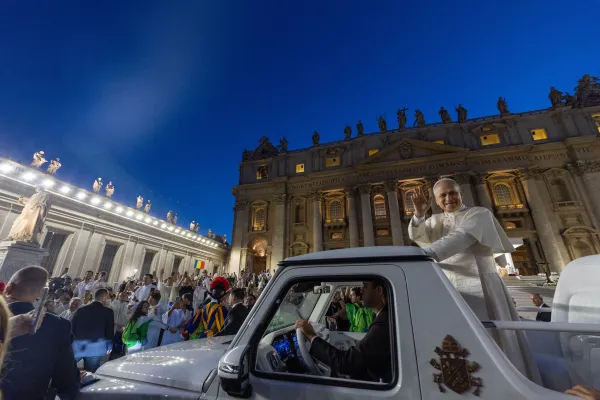
As preparations for Pope Leo XIV’s inaugural pastoral visit to Africa get underway, the Catholic Church in Angola stands out as historically entrenched, institutionally strong, and socially influential, yet also challenged to renew its evangelizing mission in a rapidly changing religious and cultural environment.
ACI Africa’s reports on Angola reveal a Church deeply engaged with the country’s past and future – committed to reconciliation, unity, and service, while seeking fresh ways to proclaim the Gospel to a young and dynamic population.
The Papal visit being planned is thus expected not only to affirm the Church’s enduring role in Angolan society, but also to encourage it to face emerging challenges with renewed faith, creativity, and hope.
ACI Africa was founded in 2019. We provide free, up-to-the-minute news affecting the Catholic Church in Africa, giving particular emphasis to the words of the Holy Father and happenings of the Holy See, to any person with access to the internet. ACI Africa is proud to offer free access to its news items to Catholic dioceses, parishes, and websites, in order to increase awareness of the activities of the universal Church and to foster a sense of Catholic thought and culture in the life of every Catholic.



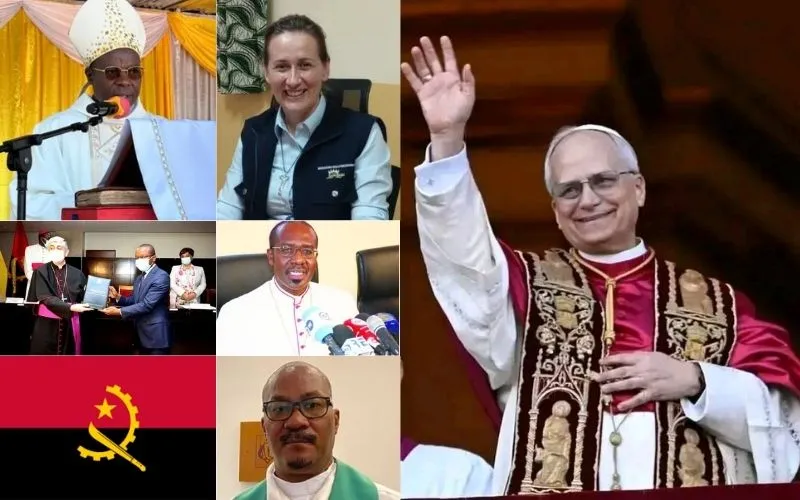

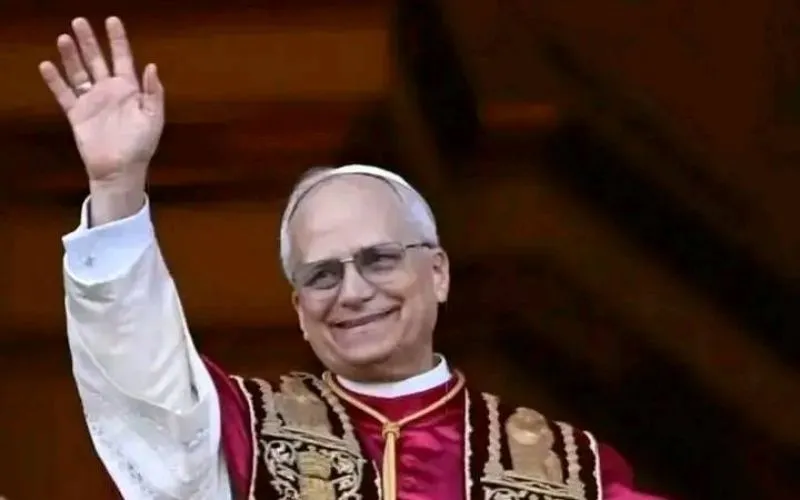 Pope Leo XIV. Credit: Vatican Media
 Credit: Shutterstock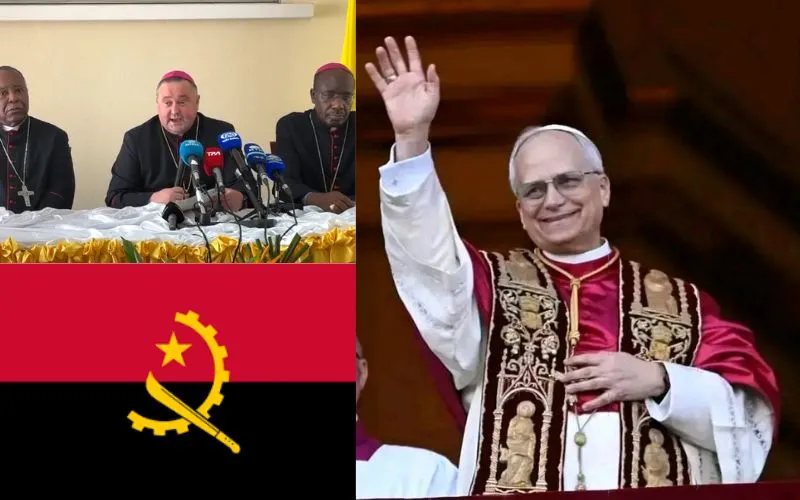
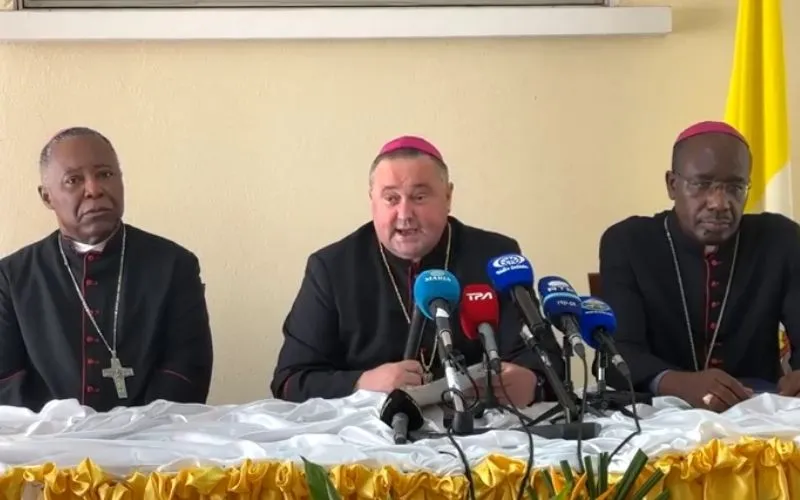 Credit: Archdiocese of Luanda
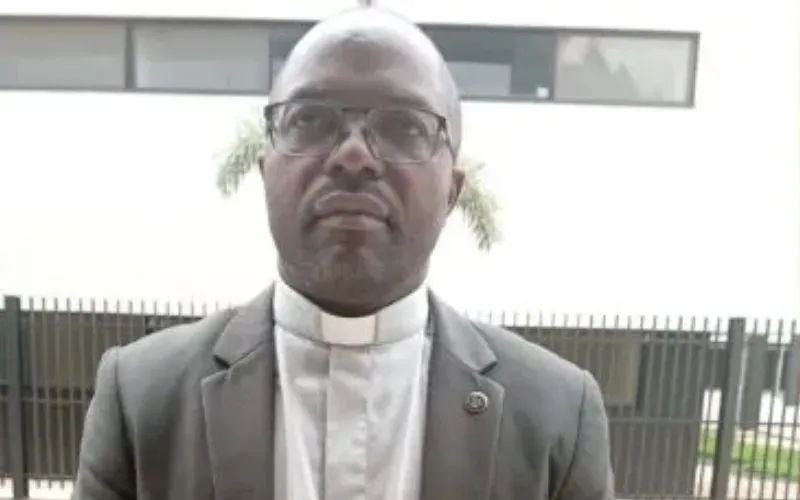 Fr. Celestino Epalanga. Credit: ACI Africa