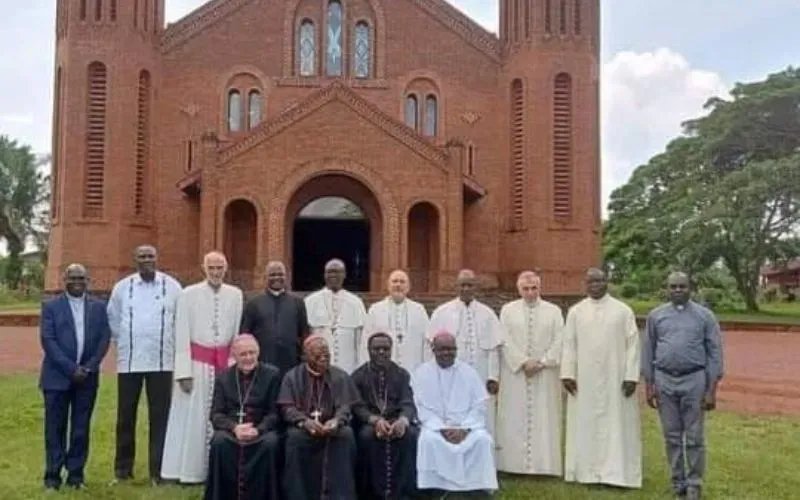
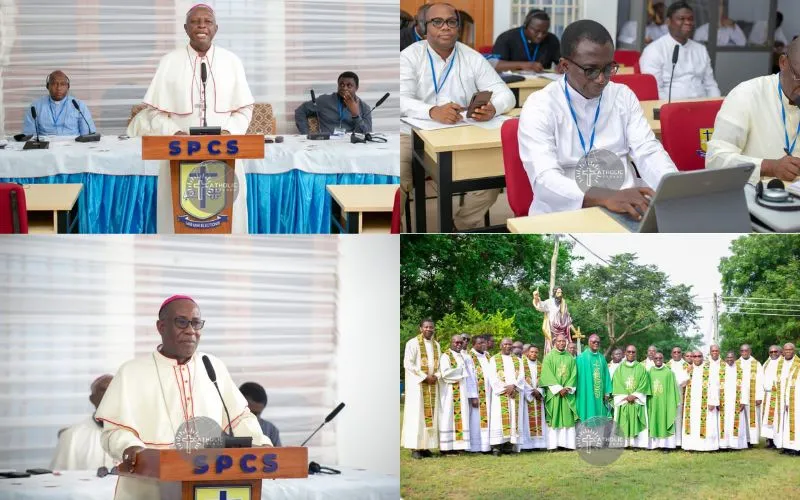
The Bishops acknowledge “the maturity of the Central African people,” noting that many citizens participated peacefully in the vote and took part in monitoring the electoral process, while also bringing to light irregularities observed in some polling stations.
According to CECA members, the people’s conduct in last year’s elections is a sign of a growing civic sense that they say must be preserved, strengthened, and passed on to future generations.
At the same time, the Catholic Bishops in CAR recall that peace remains a “deep aspiration” for a nation scarred by years of violence, displacement, poverty, and identity-based divisions.
The Bishops warn that without strong, credible, and transparent institutions, no true progress can be achieved. In the delicate post-electoral period, they urge all Central Africans to respect the political choices of others, stressing that “a political opponent is not an enemy.”
They further emphasize that the future of the Central African Republic cannot be built on hatred and violence, but only on dialogue, fraternity, and the pursuit of the common good.
In the report, the Catholic Bishops also called on religious denominations in the country to intensify prayer and strengthen ecumenical and interreligious dialogue, which they described as authentic and indispensable paths toward reconciliation and lasting peace.
The December 28 general elections in CAR included voting for the presidency, national legislature, regional councils, and municipal offices, with roughly 2.4 million registered voters participating.
Incumbent President Faustin-Archange Touadéra won a third consecutive term, securing approximately 76 per cent of the vote, while his main challengers, Anicet-Georges Dologuélé and Henri-Marie Dondra, received about 15 per cent and 3 per cent, respectively.
The voter turnout was estimated at around 52 per cent. Observers praised the peaceful conduct of voting, although opposition leaders raised concerns over irregularities and inclusivity in some regions.
Under the Constitution of 30 August 2023, which removed presidential term limits and extended the term to seven years, the President is elected by direct universal suffrage in a two-round system if no candidate achieves an absolute majority in the first round.