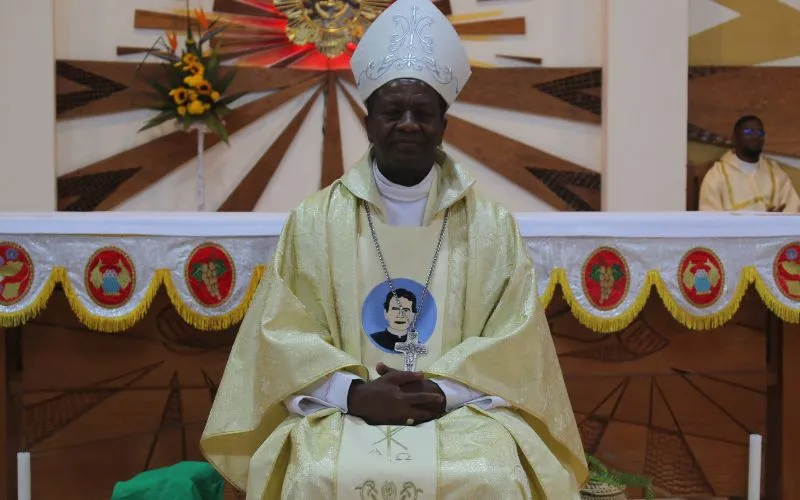
In his remarks at the start of Holy Mass, Bishop Kamomoe challenged conventional notions of greatness, linking Don Bosco’s global impact to a simple but demanding ethic.
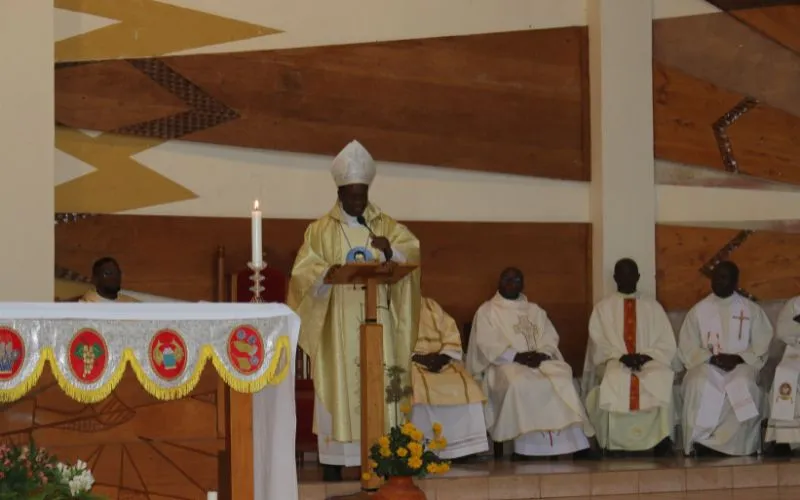 Credit: Don Bosco Utume Salesian Theological College/Nairobi/Kenya
“We become great people through loving service, through that motivation of Christian charity,” he said, adding, “That is how we can turn to be great people and we can be the salvation of mankind.”
For the Catholic Bishop, who began his Episcopal ministry in the ADN in April 2024 before his appointment to the Diocese of Wote in July 2025, Don Bosco’s genius was not technical sophistication but attentiveness to the “signs of the time” and an ability to “grab any opportunity that is available to become instrumental in fulfilling the mission of Christ,” especially among children and young people.
 Credit: Don Bosco Utume Salesian Theological College/Nairobi/Kenya
(Story continues below)
This attentiveness, Bishop Kamomoe stressed, remains the measure of authentic Christian witness today – whether one is Salesian or not.
Youth at the center, humanity in view
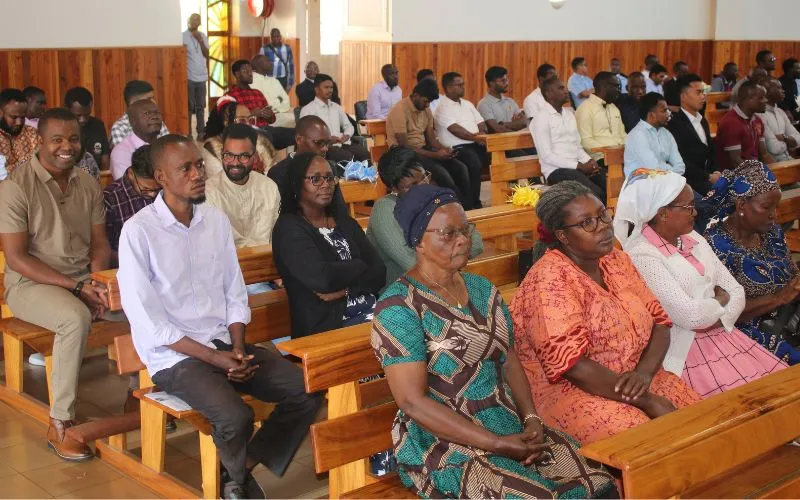
Drawing on the prophet Ezekiel’s image of the shepherd, Bishop Kamomoe described a world – and a Kenya – where young people are “scattered” and “lost,” often not through malice but neglect.
 Credit: Don Bosco Utume Salesian Theological College/Nairobi/Kenya
“The person that you are today largely depends on the child, on the way you were handled as a child and probably as a young person,” he said, explaining why Don Bosco’s focus on youth was, in reality, a focus on everyone.
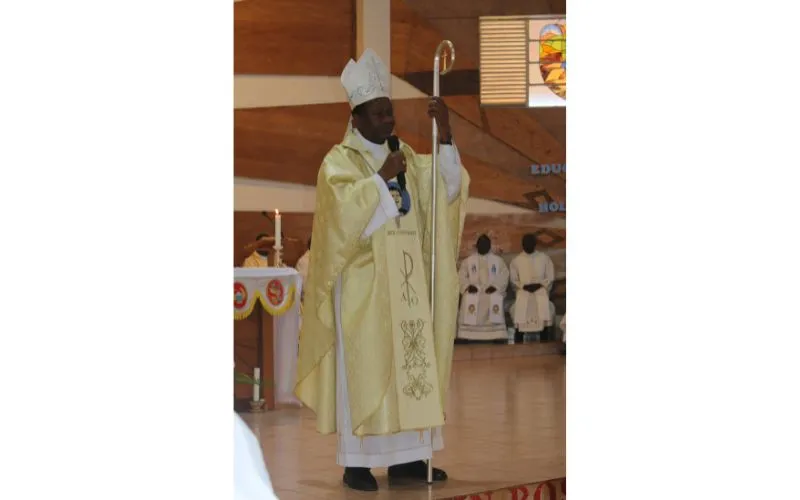
Connecting with young people, especially those from the streets or marginal backgrounds, requires patience, humility, and the abandonment of coercive authority, Bishop Kamomoe said.
 Credit: Don Bosco Utume Salesian Theological College/Nairobi/Kenya
“We cannot bring young people through authority,” he said, adding, “But we can bring them through the love, a kindly, responsible heart.”
He was explicit about what drives young people away: judgmentalism, he said, and referring to youths, explained, “The worst thing is when they feel that you are judgmental. Whenever they feel that you are judgmental, you lose them.”
 Credit: Don Bosco Utume Salesian Theological College/Nairobi/Kenya
Kenya’s youths and the crisis of trust
In his January 31 homily, Bishop Kamomoe reflected about Kenya’s recent social experience, recalling the Generation Z (Gen Z)-led protests against the controversial proposed Finance Bill 2024, which started on 18 June 2024, the day the Bill was tabled in parliament for debate, with hundreds of youths and some human rights activists taking to the streets of the capital, Nairobi, to urge the Kenyan legislators not to vote for the Bill during its second reading that was scheduled for 20 June 2024.
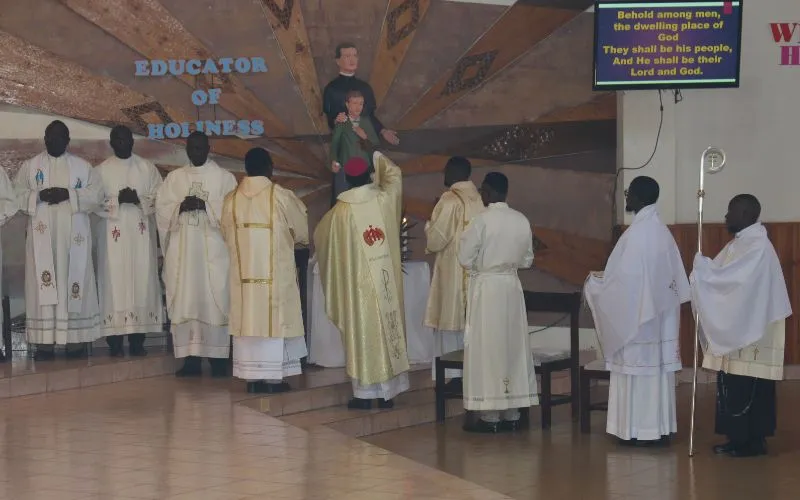 Credit: Don Bosco Utume Salesian Theological College/Nairobi/Kenya
“Do you think the church is still with you?” he recalled once asking young people during a tense period of national upheaval. The answer of the Catholic youths, who included members of the Youth Serving Christ (YSC) of Holy Family Minor Basilica of ADN, unsettled him: “They said, no.”
Yet the same Kenyan Catholic young people affirmed something crucial: “They said, yes” when asked whether Christ was still with them. The problem, Bishop Kamomoe concluded, was not faith itself but representation.
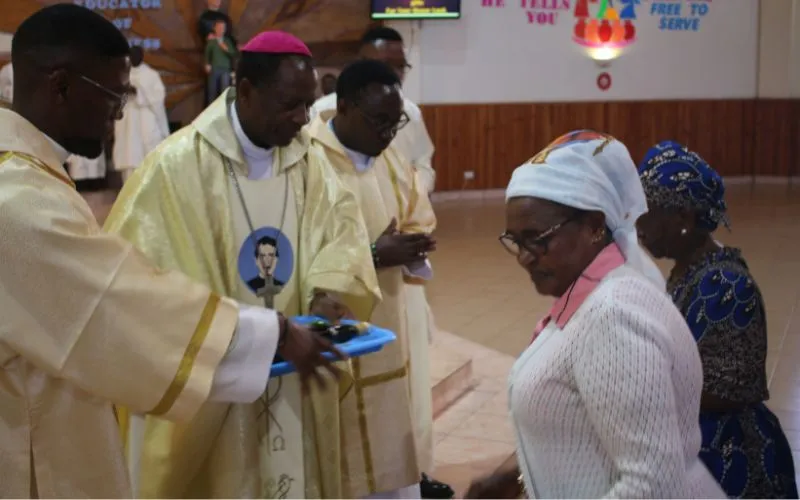 Credit: Don Bosco Utume Salesian Theological College/Nairobi/Kenya
“They have no issue with Christ,” he said, “but they have an issue with those who are representing us.”
This gap between message and messenger, the Kenyan Catholic Church leader warned, is precisely where “the spirit of Don Bosco” becomes indispensable – an approach rooted in presence, listening, and credibility earned through “authentic Christian” living and relationships.
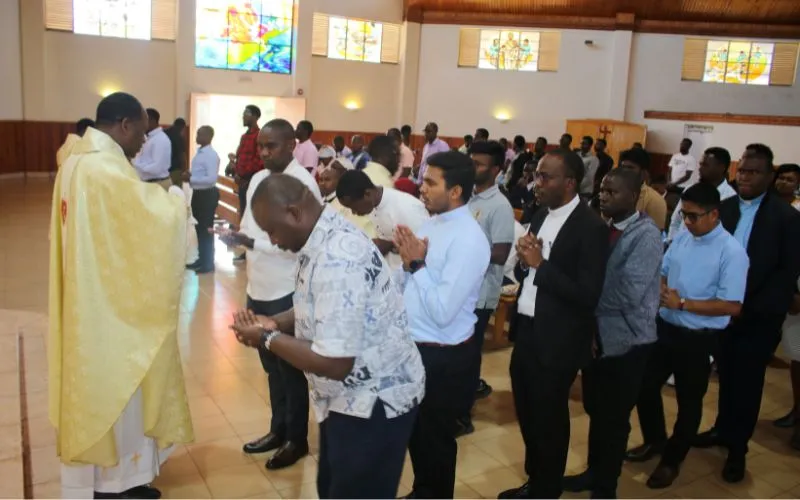 Credit: Don Bosco Utume Salesian Theological College/Nairobi/Kenya
Witness before titles
A recurring theme of Bishop Kamomoe’s nearly one-hour-long homily was a critique of clerical ambition and overreliance on titles, grades, and positions.
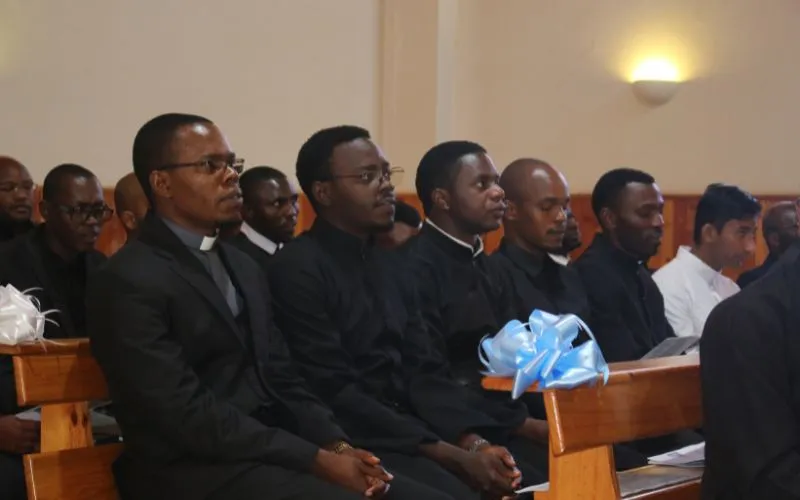
Addressing Seminarians enrolled at DBU-STC directly, he asked whether their deepest aspiration was ordination – or holiness. “Would you like to become a deacon or a saint?” he asked, and addressing the formators, added, “Help them to become saints first.”
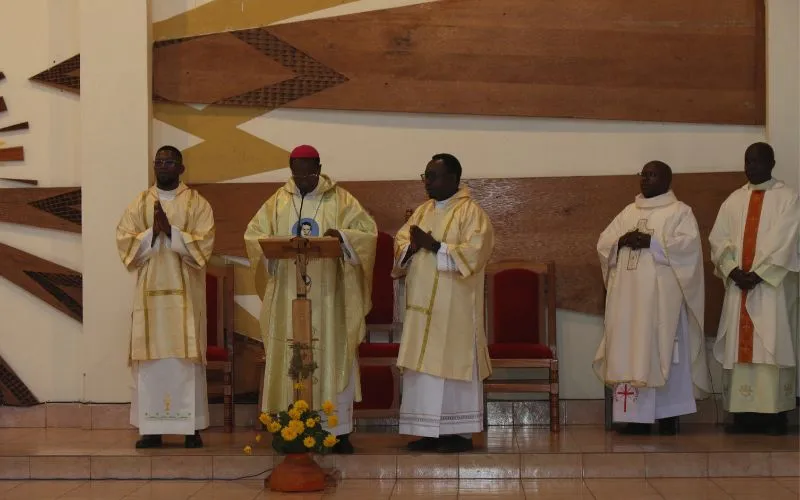 Credit: Don Bosco Utume Salesian Theological College/Nairobi/Kenya
Academic achievement, the holder of a master’s degree in Psychology from Nairobi-based Tangaza University (TU), and a doctorate in Counselling Psychology from the Catholic University of Eastern African (CUEA) acknowledged, has value.
But academic pursuits become hollow if detached from service and pastoral effectiveness, he warned. Don Bosco, Bishop Kamomoe went on to recall, was “a very ordinary, very simple, ordinary Priest,” yet one whose influence spans continents and centuries.
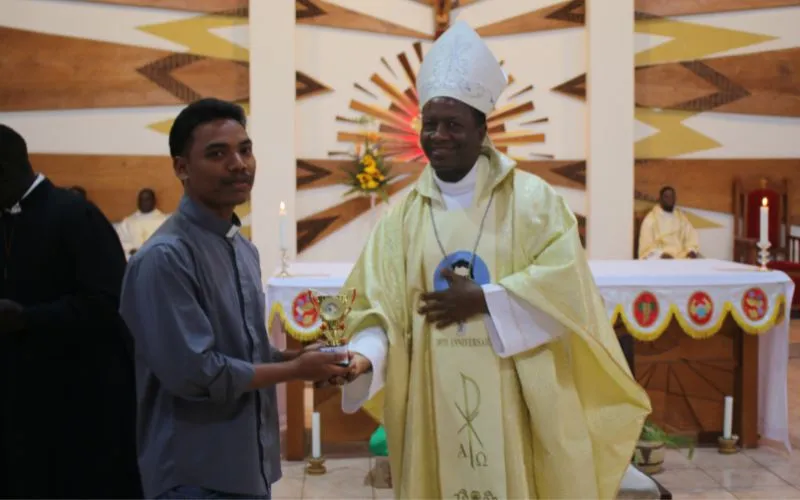 Credit: Don Bosco Utume Salesian Theological College/Nairobi/Kenya
“What matters is the spirit,” he said, “The spirit that is driving you.”
Faith matured through presence
The Kenyan Catholic Bishop illustrated the power of lived witness through anecdotes involving children, whose moral clarity often surpasses adult rationalizations.
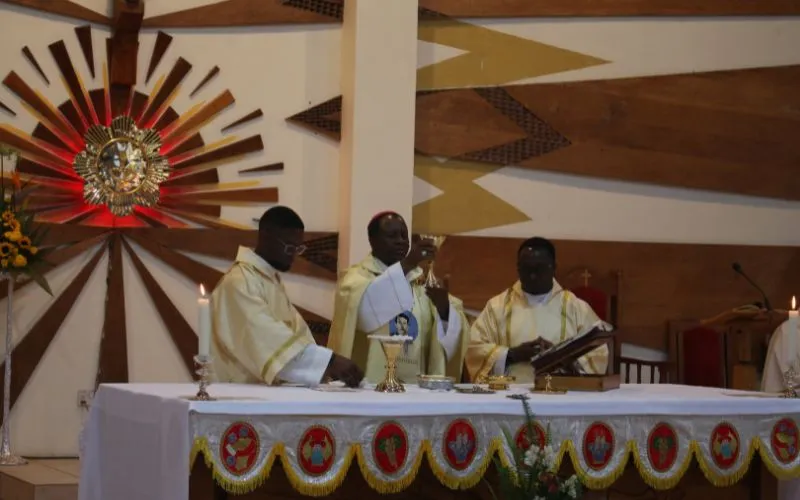 Credit: Don Bosco Utume Salesian Theological College/Nairobi/Kenya
Recalling a moment when children pointed to the Priest’s house in response to the question “Where does God live?”, Bishop Kamomoe described how deeply this perception challenged him then as Parish Priest.
“These are our kids,” he said, adding, “And they understand.”
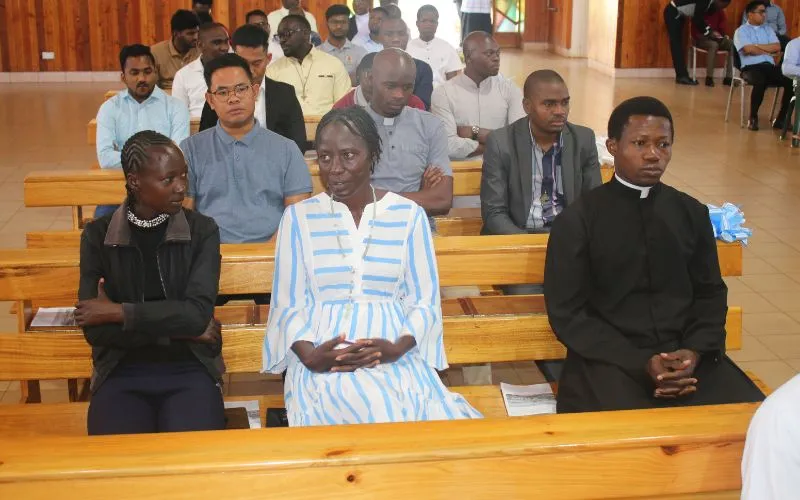 Credit: Don Bosco Utume Salesian Theological College/Nairobi/Kenya
Such moments, he argued, reveal why Priests, parents, and educators must embody what they teach. For young people, Christian faith is not an abstraction but something seen, experienced, and tested in relationships.
Beyond conformity to maturity
In one of his homily’s more analytical moments, Bishop Kamomoe drew on developmental theory, referencing James Fowler’s stages of faith to distinguish between conformity and maturity.
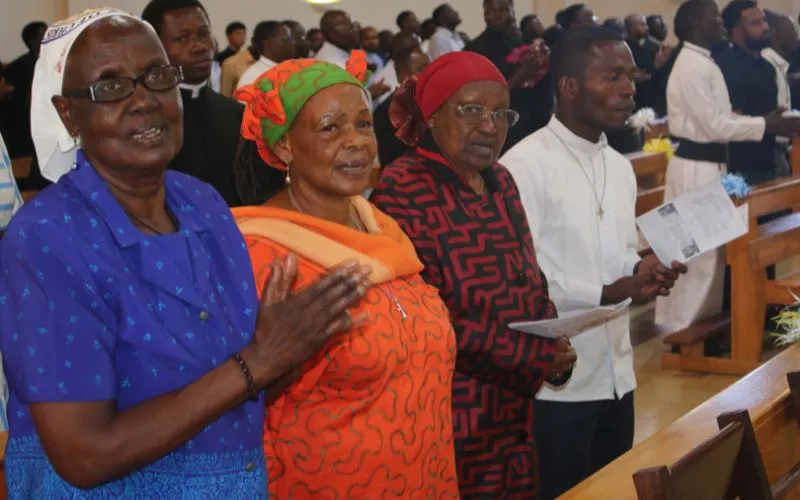 Credit: Don Bosco Utume Salesian Theological College/Nairobi/Kenya
“Many of us don’t go beyond the fourth stage,” he said referring to the “Individuative-Reflective Faith” that James Fowler attributes to those between mid-twenties and late thirties, often characterized by angst and struggle as the individual takes personal responsibility for her beliefs or feelings; when religious or spiritual beliefs take on greater complexity and shades of nuance with a greater sense of open-mindedness, opening up the individual to potential conflicts as different beliefs or traditions collide.
Bishop Kamomoe warned that routine without internal conviction produces shallow discipleship. True maturity, he argued, leads to freedom – freedom from tribalism, fear, and uncritical conformity.
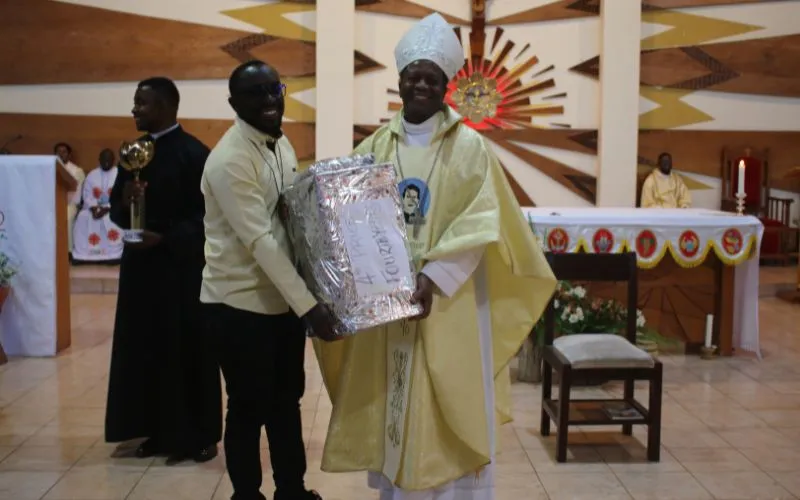 Credit: Don Bosco Utume Salesian Theological College/Nairobi/Kenya
“You are free when you are able to confess your sins, and you are now blameless before God and before the people of God,” he said.
A mission still unfinished
In his remarks just before the final blessing, Bishop Kamomoe returned to the practical implications of the celebration, the Feast Day of St. Don Bosco. Addressing the reality of the emerging Diocese of Wote that was erected in July 2023, he made a direct appeal for committed collaborators.
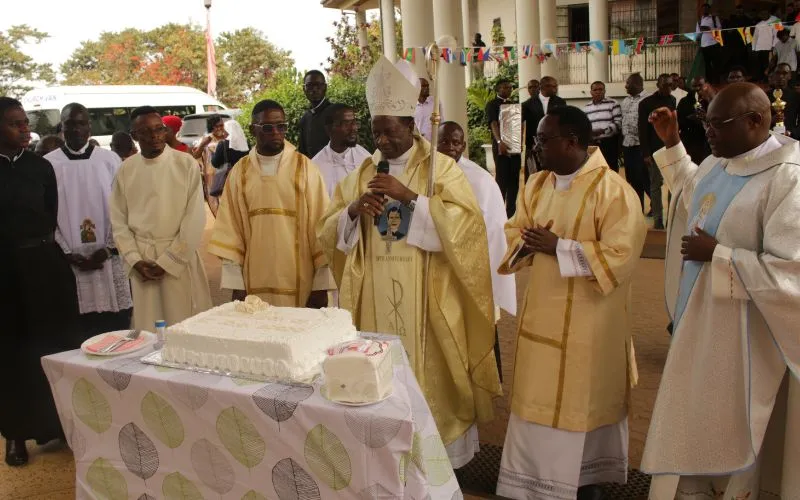 Credit: Don Bosco Utume Salesian Theological College/Nairobi/Kenya
“We need the spirit of the Apostles in Wote Diocese,” he said about the Episcopal See where he serves as Auxiliary Bishop and Apostolic Administrator, and alluding the “spirit of Don Bosco” he had emphasized added, “We need that spirit, especially taking care of the children and the young people.”
The work ahead, he noted, demands people “ready to be very, very committed. And very, very active.”
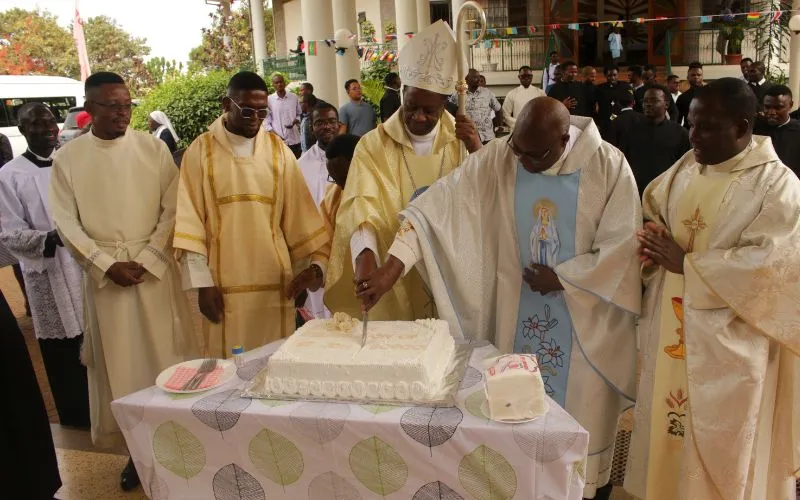 Credit: Don Bosco Utume Salesian Theological College/Nairobi/Kenya
In a final admonition, Bishop Kamomoe underscored that credentials alone are insufficient. “The most important thing is to have the right spirit,” he reiterated, adding, “That is what will bring the right impact on our lives.”
Why the world still needs Don Bosco
From Nairobi Archdiocese to the Diocese of Wote, from Kenya to the wider world, Bishop Kamomoe’s message on the Feast Day of St. John Bosco was unambiguous: institutions are struggling because relationships are fraying; young people are drifting because they feel unseen; and faith communities risk irrelevance when authority replaces accompaniment.
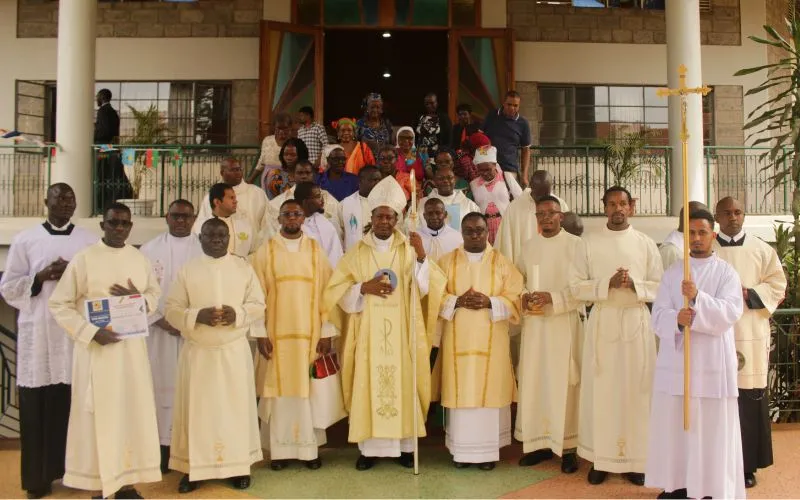 Credit: Don Bosco Utume Salesian Theological College/Nairobi/Kenya
Against this backdrop, Don Bosco’s spirit – patient, joyful, non-judgmental, and relentless commitment to young people – emerges not as an illusion but as a pastoral strategy.
Bishop Kamomoe repeatedly said, “We need the spirit of Don Bosco in the entire world.”
ACI Africa was founded in 2019. We provide free, up-to-the-minute news affecting the Catholic Church in Africa, giving particular emphasis to the words of the Holy Father and happenings of the Holy See, to any person with access to the internet. ACI Africa is proud to offer free access to its news items to Catholic dioceses, parishes, and websites, in order to increase awareness of the activities of the universal Church and to foster a sense of Catholic thought and culture in the life of every Catholic.



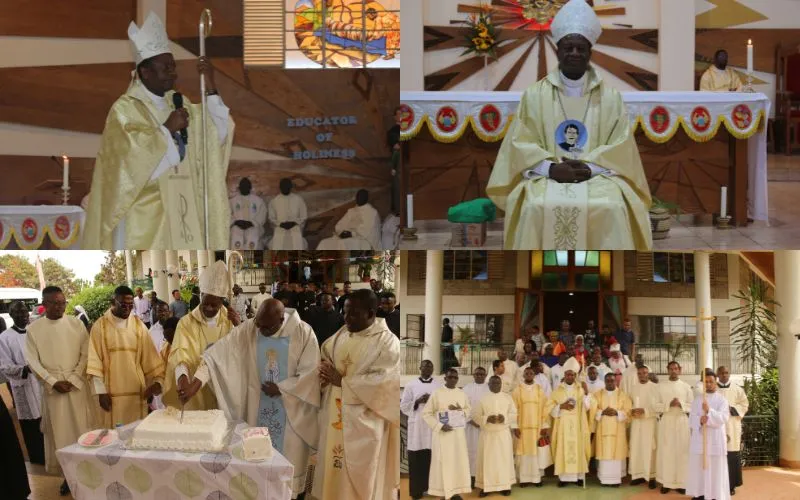

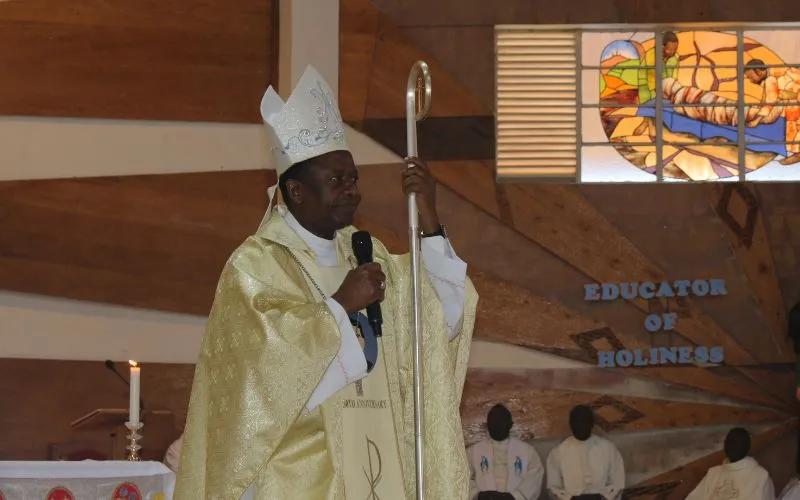 Bishop Simon Peter Kamomoe. Credit: Don Bosco Utume Salesian Theological College/Nairobi/Kenya
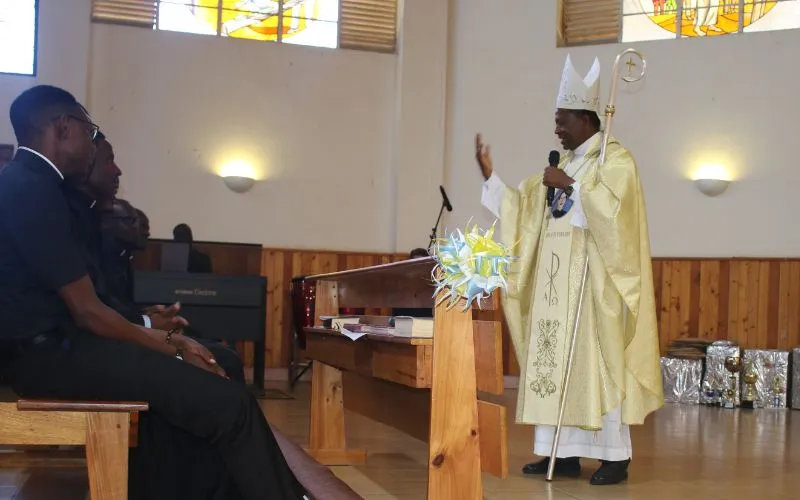 Bishop Simon Peter Kamomoe. Credit: Don Bosco Utume Salesian Theological College/Nairobi/Kenya
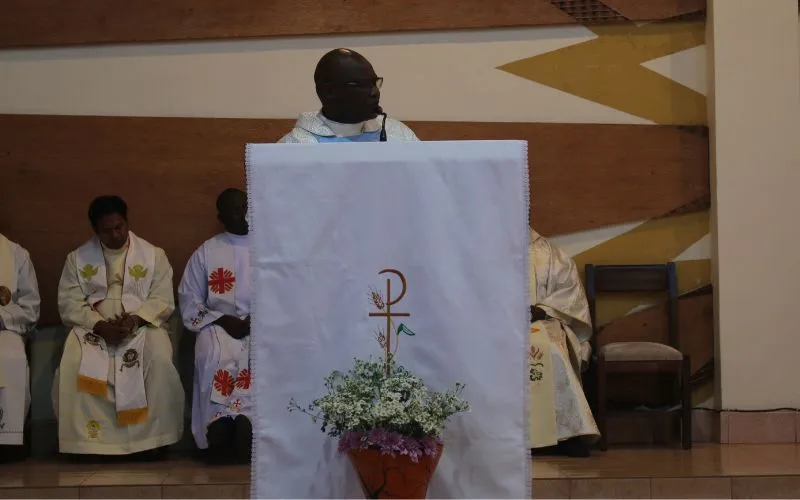 Fr. Abel Thathi Njeru. Credit: Don Bosco Utume Salesian Theological College/Nairobi/Kenya
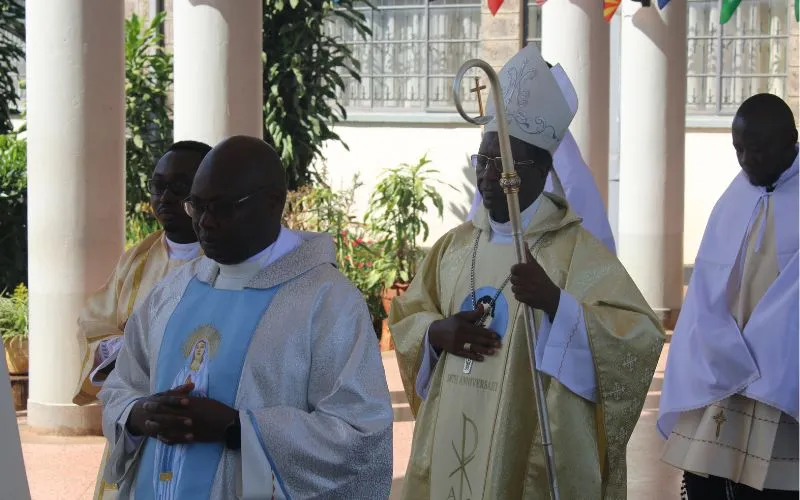 Credit: Don Bosco Utume Salesian Theological College/Nairobi/Kenya