

They further note that there is an urgent need for the government to look for “knowledge and evidence required to help understand the extent of Loss & Damage being experienced by communities due to climate change.”
They also call on their government to engage with relevant stakeholders so as to keep closing the gap of temperature rise to the 1.5 degree celsius target in line with the United Nations Climate Change Conference (COP 26) resolution.
Making reference to the final COP26 communiqué, which requested nations to return next year with stronger climate plans, so as to keep closing the gap of temperature rise to 1.5, Caritas Zambia officials call on the government “to engage with relevant stakeholders in this process and ensure that the national plans address local climate justice issues and give hope to the communities greatly affected from Loss and Damage.”
“This should include addressing gender and human rights dimensions,” they add.
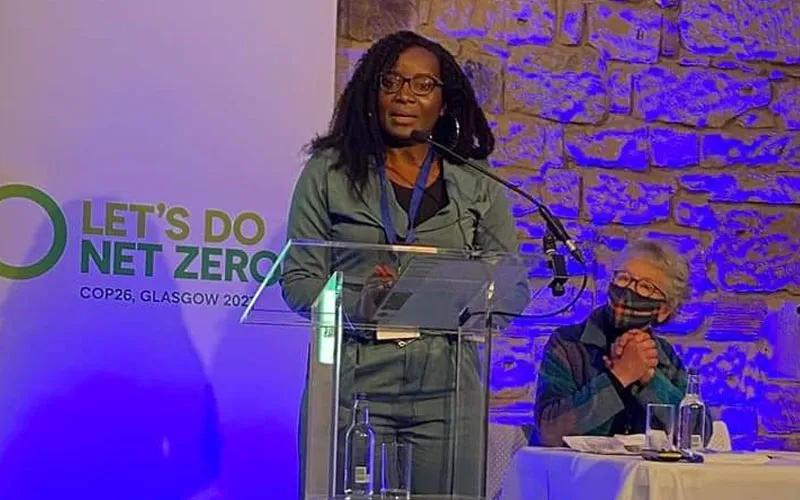
In their statement signed by the organization’s Livelihoods and Climate Change Adaptation program specialist, Musamba Mubanga, Caritas Zambia officials provide a postmortem of the COP26 summit, which was held from October 31 to November 12 in Glasgow.
They express their appreciation for the decision made by the conference on a Glasgow Climate Pact requesting parties to consider formulating and publishing updated Nationally Determined Contributions (NDCs) before COP27.
“This we believe will provide countries with a strong basis to start implementing the Agreement through the Nationally Determined Contributions (NDCs),” they say.
The Caritas Zambia officials however say there is urgent need for parties to the Glasgow Agreement to “meaningfully and practically increase their efforts to collectively reduce emissions through accelerated action and implementation of domestic mitigation measures in accordance with Article 4 of the Paris Agreement.”
They also recognize the importance of the global goal on adaptation for the effective implementation of the Paris Agreement, the legally binding international treaty on climate change that was adopted December 2015.
Officials of ZCCB’s development and humanitarian arm welcome the launch of the comprehensive two-year Glasgow–Sharm el-Sheikh working program, which will enhance the global goal on adjusting to the expected climate change and support needed for assessing progress towards it.