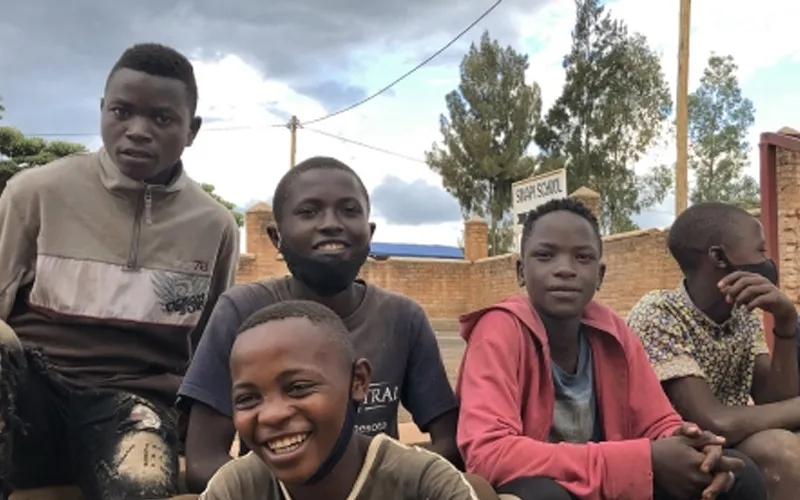
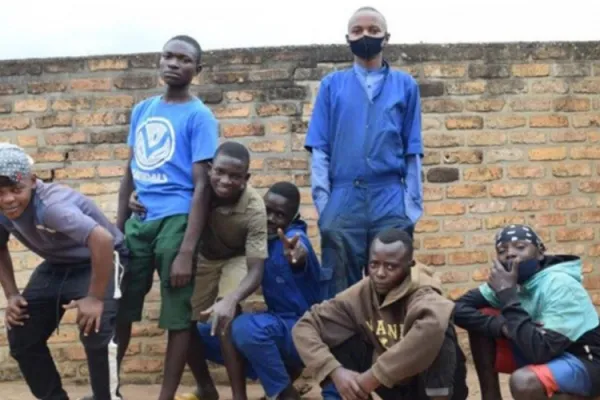
“They don’t go to school but survive by offering their labor and dedicating themselves to small trades and businesses,” the President of Don Bosco Mission in Turin, Italy, has been quoted as saying in the February 23 report.
Fr. Daniel Antunez explains that most of the children “ended up living on the street as a result of separations, mourning or simply because of too much misery.”
Street children, Fr. Antunez says in the report, “carry heavy bags, fetch water, collect and sell pieces of metal, empty plastic bottles, glass. Most of them suffer from malnutrition and other diseases.”
“They sleep with one eye open for fear that someone will steal the few, meager things they possess. They are frightened, abused, perennially tired, hungry,” he adds in reference to street children.
In the February 23 report, SDB officials cite UNICEF statistics, and say, “There were some 7,000 street children in Rwanda. The numbers have grown, however, due to the COVID-19 pandemic and resulting economic crisis, as well as from school closures and the rising incidence of domestic violence.”
Salesians in Rwanda offer “a specific program for street children known as Don Bosco Children Ejo Heza, which in the local language means tomorrow will be a better day.”
The program provides initial contact with youth living on the street and an invitation to access psychological, educational, and social rehabilitation that culminates in family reunification, if it’s possible, SDB officials say about the program that was launched in spring 2020.
“Children from the street started knocking on our parish door in Rango,” Fr. Antunez recalls, and adds, “By word of mouth, as their comrades had been treated well, they now come in large numbers.”
He continues, “We want them to go back to school and start living with their parents again because they have the right to a present as peaceful, trusting children and a future as respectable adults.”
Initially established to accommodate young Salesians preparing for the Priesthood, the Don Bosco Technical and Vocational Training School now serves as the site for technical and vocational education for young people, a large number of them coming from poor families.