According to the pioneer Catholic Bishop of Katsina Diocese, part of the crisis facing the West African nation today stems from how conflicts are portrayed. “In many reports, especially in mainstream media, conflict narratives are often reduced to ‘us vs. them,’ turning complex issues into simplistic ethnic or religious binaries. This is dangerous,” he warned.
Bishop Musa urged journalists to look deeper into issues, shunning sensational headlines, stereotypes, and reactive reporting.
Alluding to constructive journalism, which shifts from conflict-laden and negatively framed stories to those that highlight the way forward and positive outcomes, he urged media practitioners to “tell the stories of victims and survivors who have suffered because of the activities of the bandits and terrorists and highlight peace initiatives that can help restore hope to them.”
“Bring to light the voices of those working silently to bridge divides. Promote dialogue over division and stop reporting that seems to embolden the bandits and criminals,” the Local Ordinary of Katsina Diocese said.
He went on to challenge those at the helm of media entities to invest in training their personnel on the principles and ethics of responsible journalism, fostering constructive and peace framing of events.
“Peace journalism is not just about language; it’s a mindset. It’s a commitment to national healing. It is about helping people see that violence is not the only way to resolve grievances,” he said.
The Catholic Church leader also appealed to the government and civil society to support media organizations in peace-building efforts through funding, training, and protection.
“We must see the media as a partner in the fight against insecurity. Journalists can serve as early warning agents, peace educators, and advocates for justice—if they are empowered and protected,” Bishop Musa told ACI Africa.
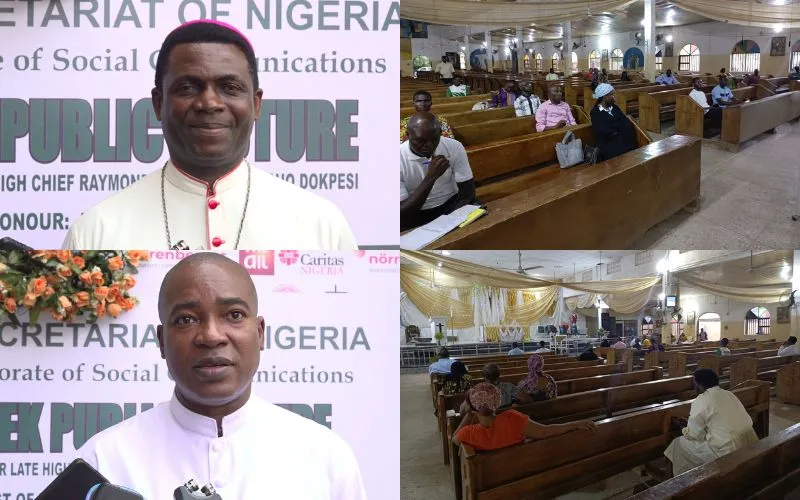
In another interview with ACI Africa during the May 28 event that CSN organized, the Secretary General of the administrative headquarters of the Catholic Bishops Conference of Nigeria (CBCN), Fr. Michael Banjo, reflected on what he described as the increasing moral decay evident across various sectors of Nigerian society, including schools and homes.
“Corruption is everywhere. Not only in government settings but everywhere, even in primary and secondary schools. There’s a culture of death, abortion, and immorality. We now pride ourselves on shows like Big Brother Naija, which should not be promoted because it features immorality on live television, and our children are watching it on a daily basis,” Fr. Banjo lamented.