Advertisement

Mozambique at 50: Catholic Archbishop Calls for Reconciliation, Justice, Youth Engagement in Nation-Building

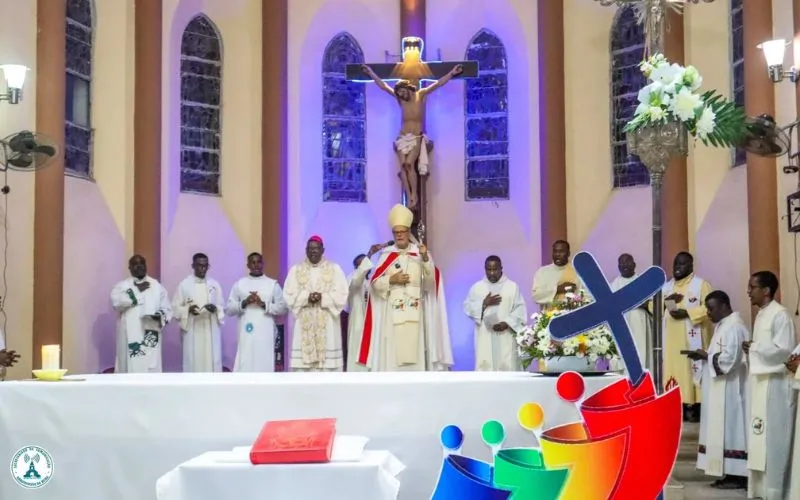
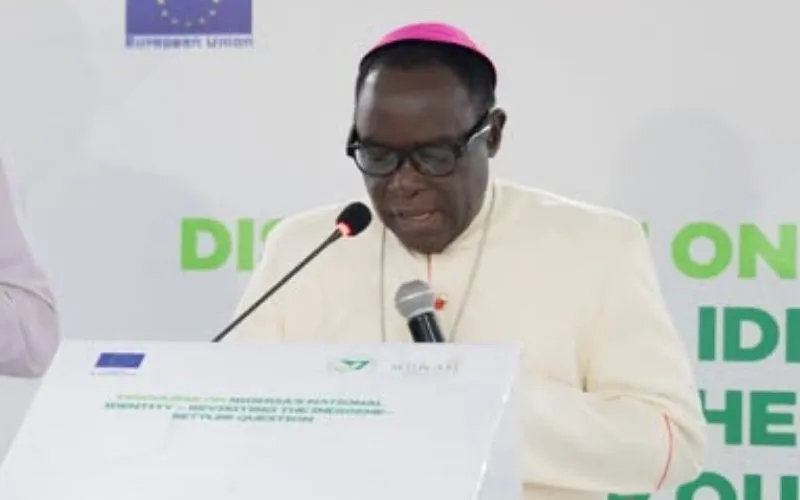
Archbishop Claudio Dalla Zuanna of the Catholic Archdiocese of Beira. Credit: Beira Archdiocese

As Mozambique marks 50 years of independence, Archbishop Claudio Dalla Zuanna of the Catholic Archdiocese of Beira has called for reconciliation, peace, and a renewed commitment to the moral and spiritual values essential for building a just and prosperous nation.

Speaking at Vespers prayer on the eve of the Golden Jubilee held at Our Lady of the Rosary Cathedral of Beira Archdiocese, Archbishop Zuanna urged Mozambicans, especially youths, to play an active role in the country’s transformation. 

He warned that any attempt to construct a fair and inclusive society without God is doomed to lead to division and conflict. 

“Trying to build a new person, a society that upholds equality, while excluding God and the spiritual and religious dimension, leads to oppression and discord, to conflict and war,” the Argentine member of the Congregation of the Priests of the Sacred Heart (SCI) said Tuesday, June 24.

Archbishop Zuanna reminded the people of God that Mozambique has already paid the price of sidelining faith from public life. He appealed for national reflection and healing.
Advertisement

“Without God, what seems right to some becomes a wrong path for many. Mozambique has suffered from the consequences of that exclusion in its own history,” he said.

Archbishop Zuanna called upon youths to be front-line agents of peace and social renewal.

“Youths are an irreplaceable pillar in the construction of peace and national rebuilding. They are agents of change, promoting dialogue, justice, solidarity, and mutual respect in schools, universities, cultural groups, and on social media,” the Catholic Church leader said.

For this vision to be realized, he said, institutions and leaders must invest in young people’s education, employment, and civic participation.

Archbishop Zuanna described formal education as a fundamental path to reconciliation, noting that although Mozambique has made progress, serious gaps remain.

More in Africa

“Today, education suffers from growing weaknesses, particularly in quality, due to various deficiencies and shared responsibilities,” he noted.

The Local ordinary of Beira lamented a lack of family and social formation, which he said has led to a breakdown in moral values, increasing lawlessness, and a loss of the common good.

“Schools must become spaces that sow the seeds of peace and harmony. What is sown in school is harvested later in life—in the values, personalities, and contributions of individuals to society,” he said.

Archbishop Zuanna went on to reflect on justice and the importance of reducing inequality and restoring the dignity of all Mozambicans, especially victims of violence and marginalization.

“Reconciliation requires welcoming one another and caring for all who have suffered conflicts and injustices. Every Mozambican must have access to dignified opportunities and feel respected and valued,” he said.

Advertisement

The Local Ordinary of Beira Archdiocese since his Episcopal Consecration in October 2012 urged his compatriots to embrace the shared mission of building a better Mozambique.

He said, “Building an independent, free, and prosperous nation—a homeland that is united and beloved—is the result of our commitment, determination, and self-giving love, along with the love, grace, and life that God pours out upon us.”

Mozambique celebrated the 50th anniversary of its independence from Portuguese colonial rule with a grand ceremony on Wednesday, June 25 at Machava Stadium in Matola, Maputo Province. 

President Daniel Chapo lit the flame of national unity and delivered the keynote address.

João Vissesse is an Angolan Journalist with a passion and rich experience in Catholic Church Communication and Media Apostolate.