Incineration, a win for Africa
In the July 24 interview with ACI Africa, the Kenya-based Campaigns Director of CitizenGo lauded the U.S. government, saying, “I am very happy that the Mexico City Policy signed by President Trump is in effect and that the contraception will be incinerated.”
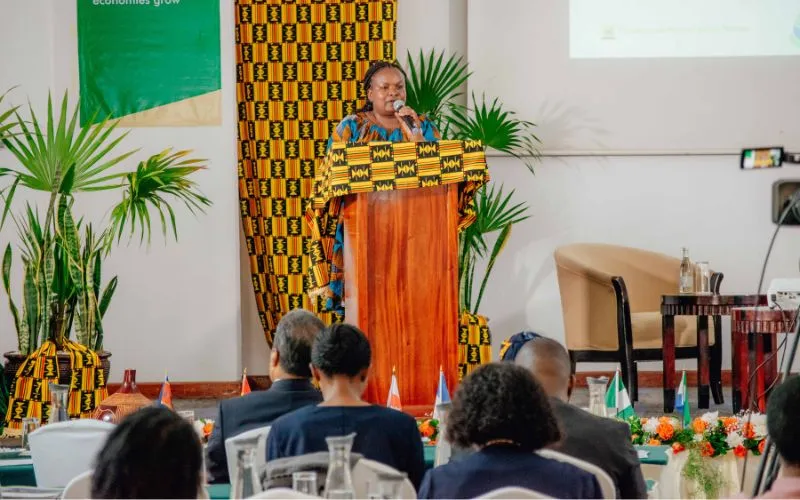 Credit: ACPF
“I commend the USA government for keeping the promise and it is time abortionists like Marie Stopes International also get defunded,” Ms. Kioko said referring to “Kenya’s largest and most specialized sexual reproductive health (SRH) and family planning (FP)” entity established in 1985 as MSI Reproductive Choices’ affiliate partner.
For her, “African nations and any other developing nation should reject any attempt to repackage the contraceptives and should actually call out MSI and UNFPA for this.”
The Kenyan Catholic activist while entities such as MSI and UNFPA advocate for “contraception as a good thing, it is clear that all contraceptives are abortifacients and they are used for the population control agenda.”
(Story continues below)
“The contraceptives are not even free; it is a thriving business in the abortion industry,” Ms. Kioko told ACI Africa, and explained, “They give you contraceptives, you engage in irresponsible sex, you get pregnant, and they offer you abortions.”
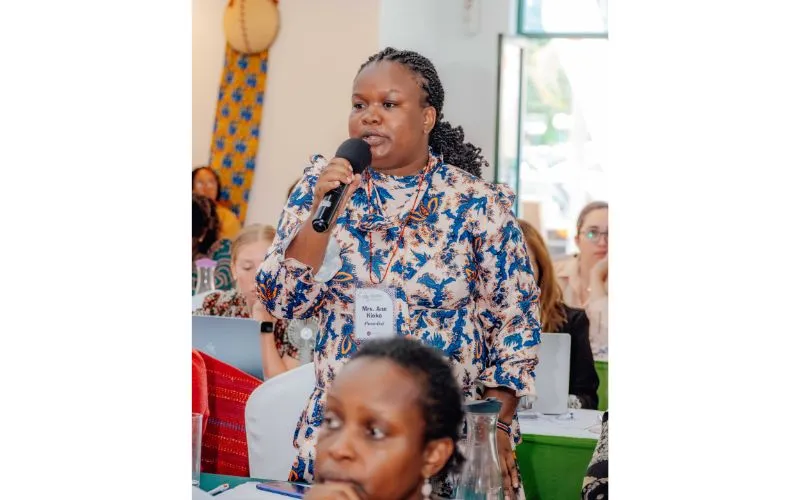 Credit: ACPF
Contraceptives, she went on to say, “have very negative effects that include brittle bone and infertility which is all in the agenda. The Catholic church encourages chastity and also promotes natural family planning for the married with every marital act being open to babies.”
The CitizenGo Campaigns Director vehemently cautioned youths in Africa against “the contraceptive mentality”, which she said, “teaches young ones that they can enjoy marital acts ‘without consequences’ yet it is all a facade as these contraceptives fail and do not protect from STDs (sexually transmitted diseases) and STIs (sexually transmitted infections).”
“We must reject the abortion industry and their population control agenda,” she emphasized.
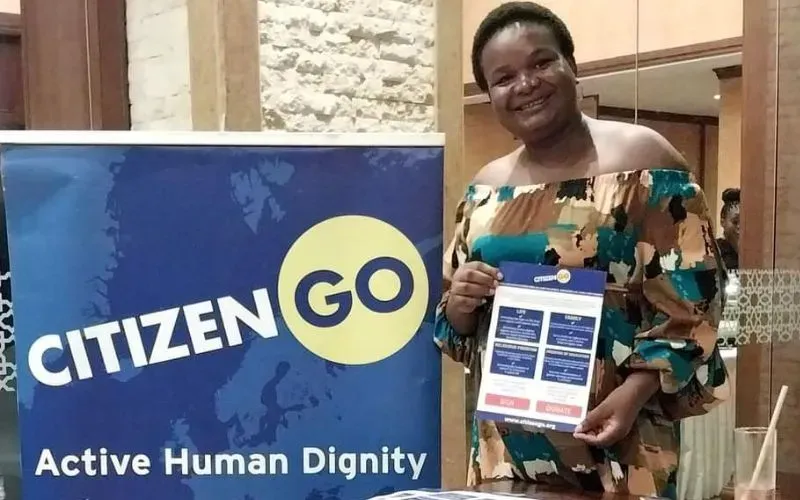
Ann Kioko, Campaigns Director for CitizenGo in Africa. Credit: Ann Kioko
Incineration, “a political statement, a moral imperative”
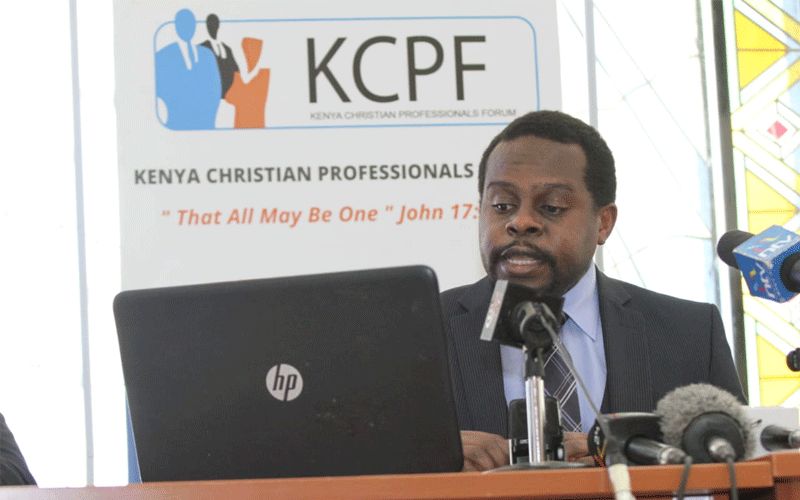
In another interview with ACI Africa, Senior Counsel Charles Kanjama, who chairs the Kenya Christian Professionals Forum (KCPF) said the planned incineration of the U.S.-funded contraceptives is in line with pro-life principles as stipulated in the March 1995 Encyclical Letter of John Paul II on the value and inviolability of human life, Evangelium Vitae.
“It is both a political statement and a moral imperative,” Mr. Kanjama said referring to the planned destruction of the contraceptives, and added, “The goal is not to waste, but to avoid further harm. Abortion and abortifacient contraception cause harm, and that’s what must be stopped.”
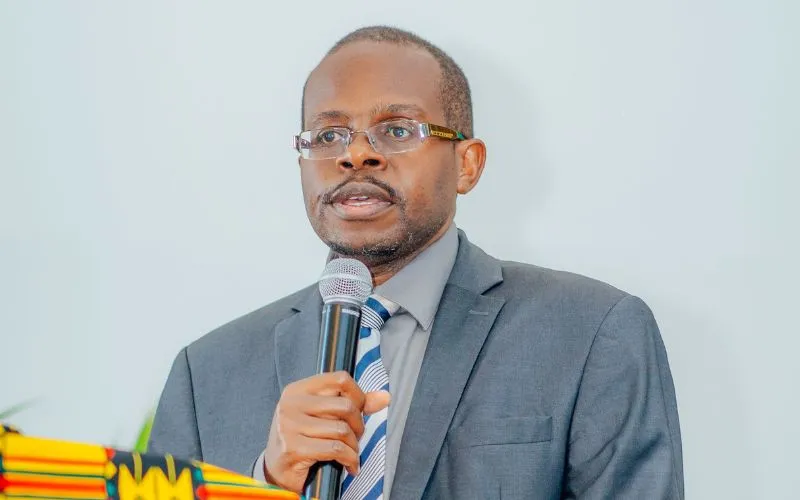 Charles Kanjama. Credit: ACPF
Like the CitizenGo official, Mr. Kanjama expressed his support for the President Trump’s strict stance against contraceptives and abortion, saying, “We support the U.S. government’s reinstatement of the Mexico City Policy.”
“It’s a policy that ensures the American government is not involved in pushing abortion down the throats of foreign countries,” he said, and added, “There are a number of contraceptives that are abortifacient; they work by triggering an abortion after conception has taken place in the first one or two weeks. So, actions taken to withdraw or destroy such materials are supported by us, because we believe in the sanctity of life, from conception until natural death.”
The nearly $9.7 million worth of contraceptives in question, which are set to expire between 2027 and 2031, are reportedly being incinerated in France at a cost of more than $160,000. Media reports indicate that U.S. agencies declined offers from the UN and international NGOs to redistribute the supplies to developing countries.
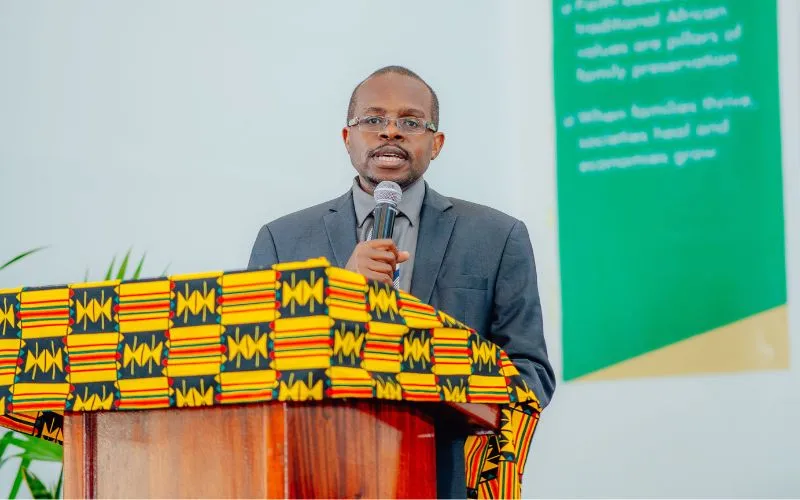 Charles Kanjama. Credit: ACPF
While some have criticized President Trump-led restrictive stance on contraceptives and abortion as ideologically motivated and wasteful, the Kenyan Senior Counsel is part of the global community that supports it.
“This is not about politics alone. It’s also about morality, about avoiding harm to others,” he told ACI Africa during the July 25 interview, and explained, “Morality and politics are intertwined. Politics influences culture, and culture influences how we treat life. That’s why the Mexico City Policy is necessary.”
The Chairman of KCPF that is part of the Africa Christian Professionals Forum (ACPF) rejected the notion that the value of human life should depend on geography or economic status.
“The Mexico City Policy does not distinguish between rich and poor nations,” he said. For him, “Life matters whether you're in the first world, second world or third world. Life is life, whether in Washington or Wajir (Northeastern Kenyan town known for high poverty levels amid arid and semi-arid landscapes).”
Mr. Kanjama the targeting of African nations by foreign-funded programs fostering abortion or abortion-related materials often under the banner of aid or development.
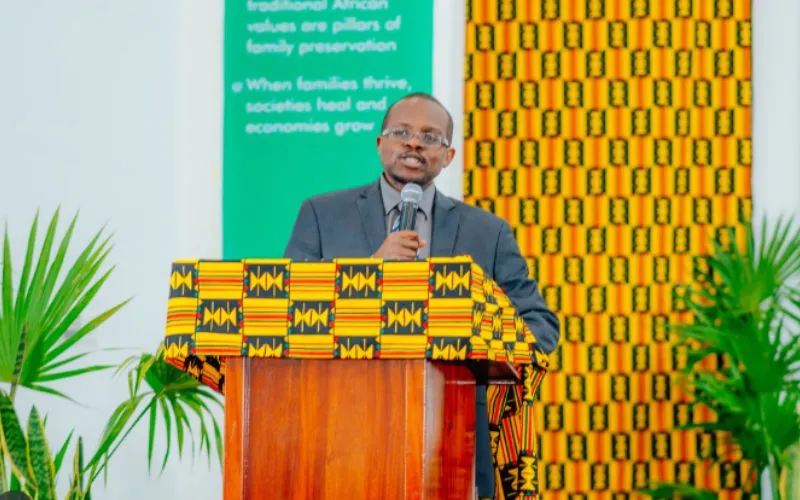 Charles Kanjama. Credit: ACPF
“Foreign ideologies have been shoved down our throats, especially from Western nations,” he said, and added alluding to President Trump’s restrictive stance on contraceptives and abortion, “To the extent that there is now any revision in that approach by the West, we welcome it.”
Mr. Kanjama argues that foreign aid often arrives with ideological strings attached, particularly in areas related to abortion, sexuality education, and the lesbian, gay, bisexual, transgender, and queer or questioning - LGBTQ+ advocacy. He warns that such conditions undermine national sovereignty and erode traditional family and moral values in targeted countries and communities.
“We welcome genuine aid, tut that aid must not come together with foreign ideologies being forced upon us contrary to our moral and family values,” he said.
For the Kenyan Christian professional, the controversy around the destruction of the U.S.-funded contraceptives offers an opportunity to re-examine Africa’s dependency on foreign aid and reimagine a more self-reliant path forward.
“As Christian professionals, we believe the first thing that African countries need is fair trade,” he said, and added, “Sometimes aid is used to mask very unfair trading practices. We believe that Africa has sufficient resources to develop the continent and its people if there is fair trade, and both tariff and non-tariff barriers are lifted.”
He argued that the long-term solution to underdevelopment is not donor money but economic justice, accountability, and homegrown solutions that reflect Africa’s values.
“Development doesn’t happen instantaneously, and vulnerable populations will always exist, but that doesn’t mean we should accept help that compromises our dignity. We need to promote self-sufficiency and teach our people the skills that are necessary for them to be able to fend for themselves,” Mr. Kanjama said.
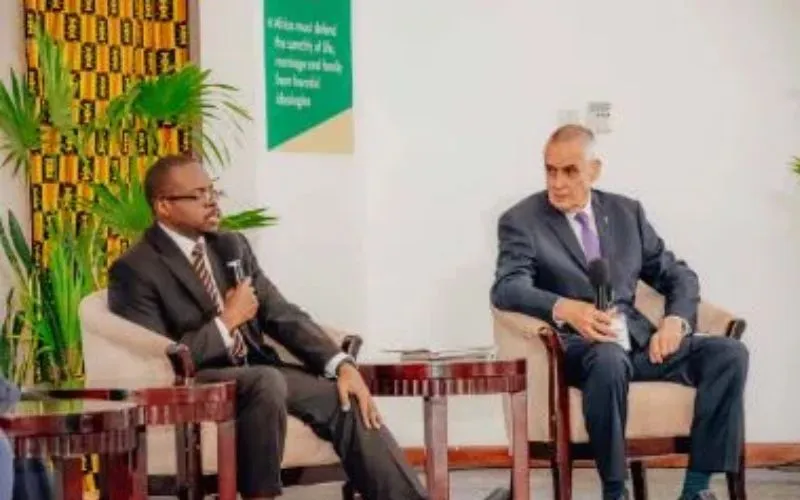 Charles Kanjama. Credit: ACPF
The Kenyan member of Opus Dei went on to stress the role of the Catholic Church in offering ethical alternatives to contraception-based health agenda and urged institutions such as Caritas, the Pontifical Academy for Life, and Africa’s Catholic Bishops to step up their investment in life-affirming, morally sound health programs.
“This is a moment for the Church to lead, to invest in maternal care, natural family planning, and ethical healthcare that protects both body and soul,” he said.
Drawing from Catholic social teaching, he invoked the example of St. Teresa of Calcutta, who ministered among India’s most impoverished communities. “Even in poor areas, the poor can still find other poor people to help. And as Mother Teresa taught us, charity begins where you are, whether in the slums of Calcutta or the villages of Africa,” he said, adding, “That’s the kind of local, community-based support we should be cultivating.”
 Credit: KCPF
For Mr. Kanjama, “Charity is something that we all need, whether you're in a poor country or a rich country. But you cannot start by waiting for aid from foreign sources. You have to help your neighbour within your own country, and then welcome foreign aid that comes without strings attached.”
While media commentary has focused on the economic cost of destroying the contraceptives in the Belgian warehouse, Mr. Kanjama reiterated that moral decisions cannot be reduced to technical or economic efficiency.
“It’s not enough to ask what is cost-effective. We must ask what is right. And when you deal with human life, especially at its most vulnerable stage, there’s no room for compromise,” he told ACI Africa on July 25.
For the Kenyan Senior Counsel, the debate over contraceptive destruction is just one skirmish in a larger moral and cultural struggle. He sees this as a moment for Africa to rise, spiritually, economically, and morally.
“Let Africans take care of their own healthcare,” Mr. Kanjama said, adding that where the people of God in Africa are in need, “they can always ask for assistance that comes without foreign ideologies attached.”
“The sanctity of life is not negotiable, and it is not a third-world issue,” he said.
Charles Muchiri contributed to the writing of this story
ACI Africa was founded in 2019. We provide free, up-to-the-minute news affecting the Catholic Church in Africa, giving particular emphasis to the words of the Holy Father and happenings of the Holy See, to any person with access to the internet. ACI Africa is proud to offer free access to its news items to Catholic dioceses, parishes, and websites, in order to increase awareness of the activities of the universal Church and to foster a sense of Catholic thought and culture in the life of every Catholic.


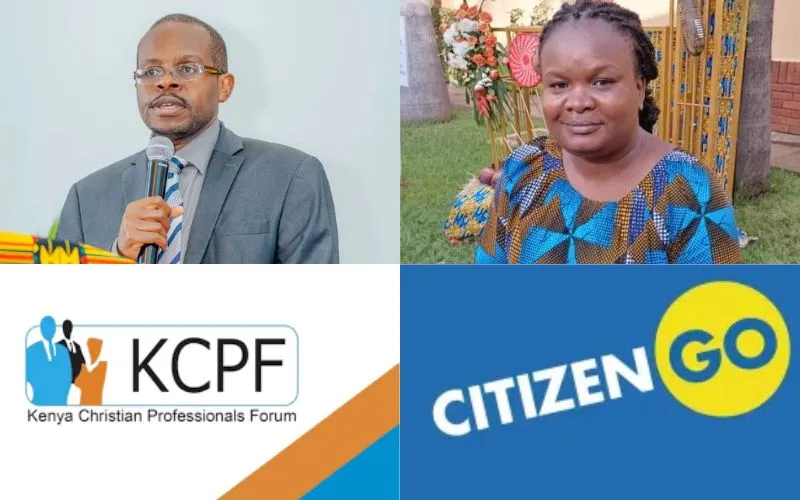

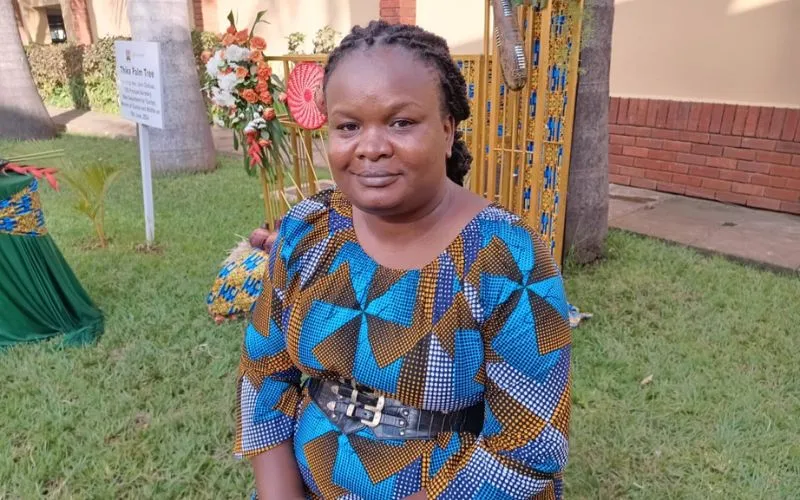 Ms. Ann Kioko. Credit: ACI Africa
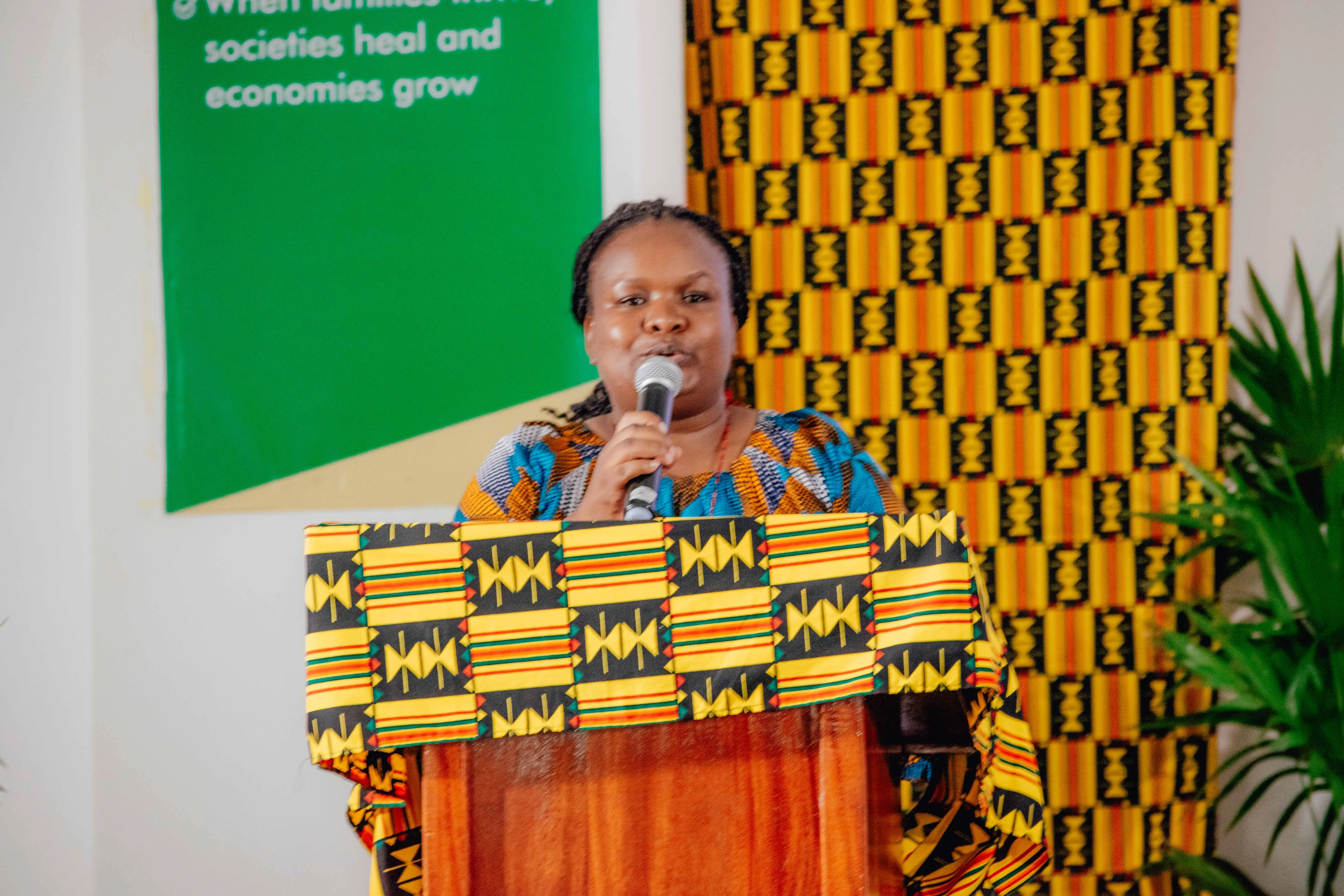 Credit: ACPF