Advertisement

AMECEA Members Agree on Creation of Diocesan Crisis Management Teams to Address Communication Delays

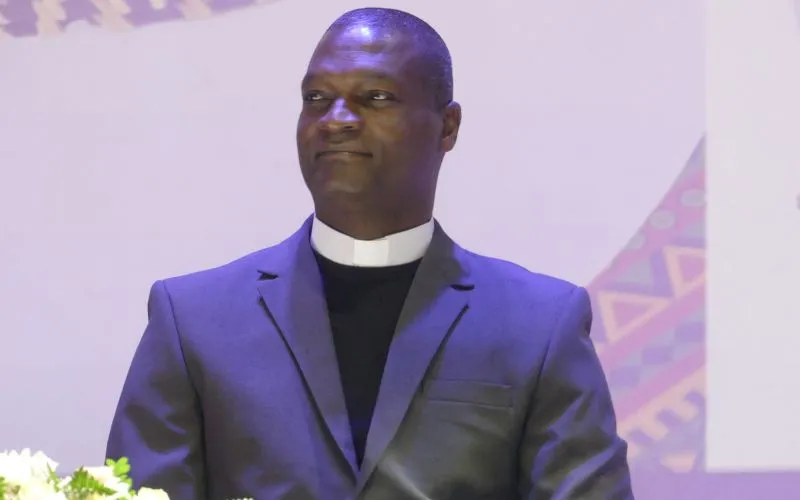
Fr. Andrew Kaufa. Credit: ACI Africa

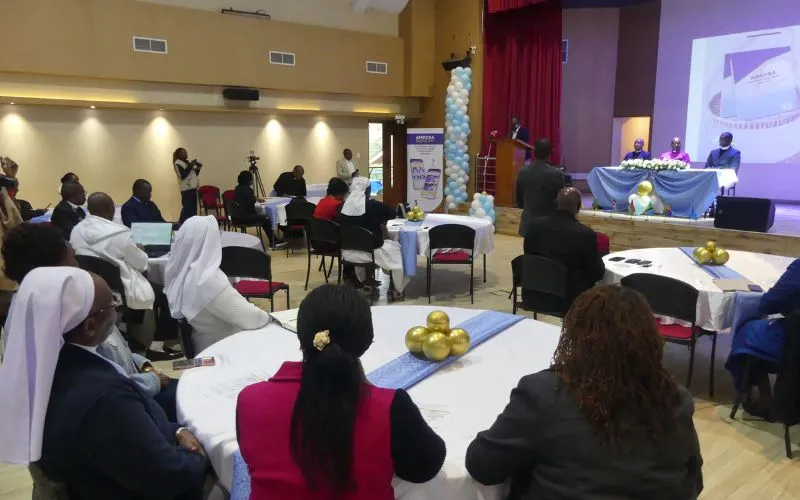
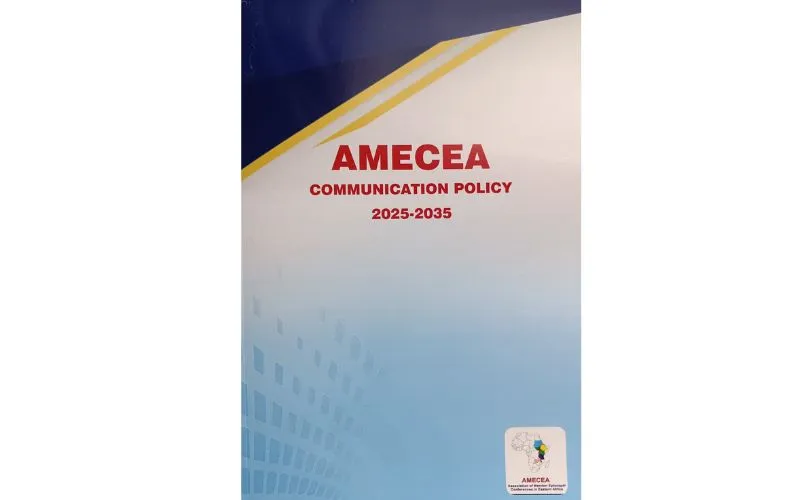
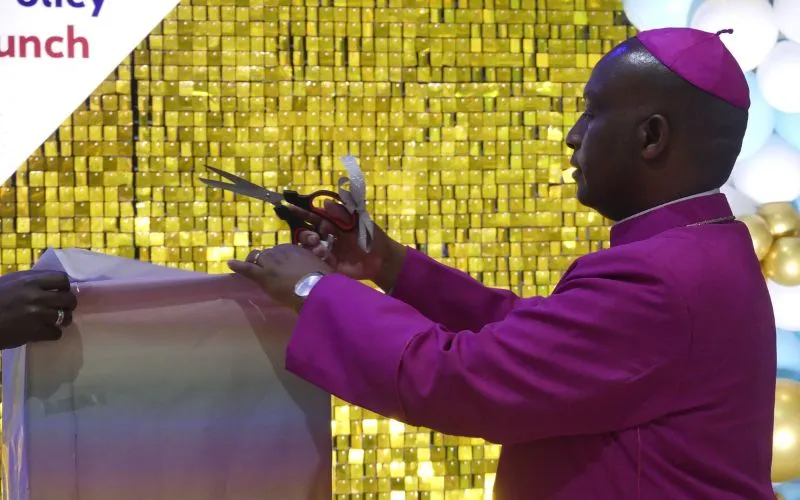
One of the key provisions of the 2025-2035 Communication policy that the Association of Member Episcopal Conferences in Eastern Africa (AMECEA) has unveiled is the establishment of crisis communication teams in Dioceses to help Local Ordinaries in passing across urgent information.

The best-suited people on these teams would be media professionals, according to the policy that was launched on Monday, August 18 at Allamano Centre, Westlands, in Kenya’s Archdiocese of Nairobi (ADN).
Credit: ACI Africa

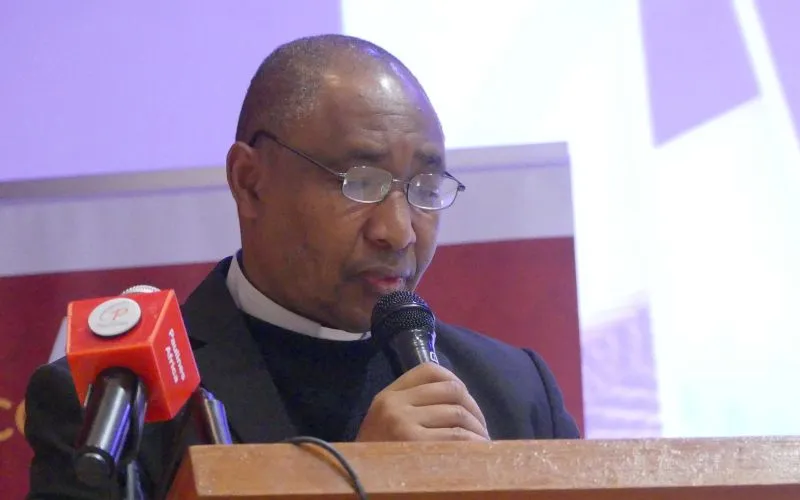
In an interview with ACI Africa on the sidelines of the launch, the Coordinator of the AMECEA Department of Social Communications expressed delight that Bishops in the region had given a nod to the policy, which he said would also give a clear direction on handling misinformation.

“We are proud that our Bishops have endorsed this policy, which explains so much about crisis communication. While there is one person who is an official spokesperson, he can create a team of people, media people whom he trusts, that when those types of things have come and need a quick response, they can do it and send it to him just for his approval,” Fr. Andrew Kaufa said.
Advertisement

Fr. Andrew Kaufa. Credit: ACI Africa

He added, “What was delaying communication in some of our Dioceses was the Bishop not being available.”

The Nairobi-based Malawian member of the Montfort Missionaries (SMM) gave the example of how the Vatican covered the illness of Pope Francis as one of the best ways to handle crisis communication, saying, “It was very efficient.”

Credit: ACI Africa

He emphasized the need for the Church operating in a digital environment to be ethical, inclusive, transparent and accountable.

More in Africa

The 2025-2035 policy has been developed to give direction to Church communications in Eritrea, Ethiopia, Kenya, Malawi, South Sudan, Sudan, Tanzania, Uganda and Zambia. The policy also targets affiliate members of AMECEA, namely, Djibouti and Somalia.

Credit: ACI Africa

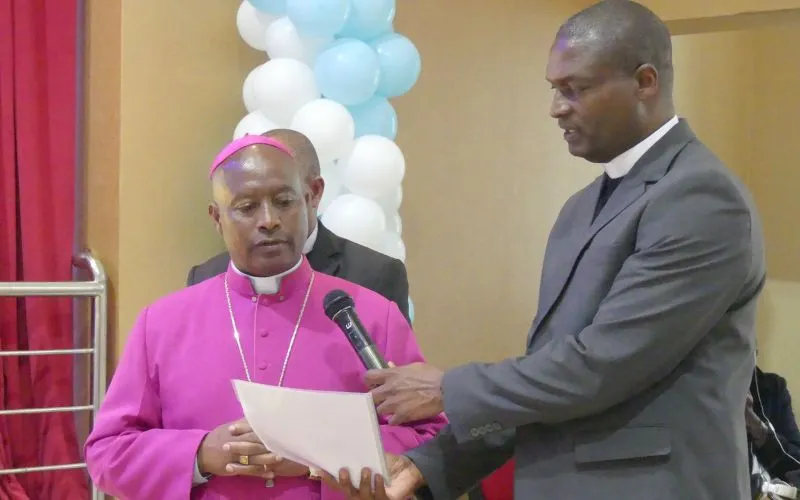
In his address at the launch, the Secretary General of AMECEA, Fr. Anthony Makunde, underlined the need to harmonize Church communications in the region, “so that different platforms do not operate as fragmented entities.”

The policy, Fr. Makunde said, “prevents fragmentation and ensures that our communication will reflect the gospel by means of truth, justice, love and respect for human dignity.”

“In this way, communication within AMECEA will be harmonized. Not improvised but intentional and not reactive but prophetic,” he said.

Advertisement

Fr. Anthony Makunde. Credit: ACI Africa
Apart from crisis management, the policy gives direction on many aspects of Church communications within the AMECEA region. They include safeguarding communication, engagement with digital media, organizing media events, as well as AI-driven content production.

Credit: ACI Africa

The policy calls for comprehensive crisis management, offering AMECEA and member Conferences guidelines on how to handle information when crisis hits the church.

It talks, for instance, about AMECEA Secretariat, Dioceses and Conferences, establishing a dedicated leadership and communications staff that can study any misinformation and see how to correct it or to give correct information.

(Story continues below)

Credit: ACI Africa

“The policy also guides on how we can clear crisis protocols and follow the right steps in order to give the information,” Fr. Kaufa told participants in the August 18 launch.

He added, in reference to the 10-year policy, “It invites us to create monitoring and rapid response structures, utilizing the media monitoring tools so that we may detect where misinformation is coming from in a timely manner and provide information as required by anybody who needs to be informed.”

Credit: ACI Africa

The policy also gives direction on how to do key messaging in a way that gives clear messages that are aligned with the values and principles of AMECEA, and member Conferences and Dioceses.

In his address at the launch, Fr. Kaufa said that the policy is to be implemented in four phases. They include the laying of the foundation in AMECEA, expanding reach to other entities including member Conferences and Dioceses, a situation analysis and finally, the phase of evaluation and adaptation.

Credit: ACI Africa

Fr. Kaufa said that the policy gives provision on how AMECEA, member Conferences, and individual Dioceses can continuously adapt to changes in the media environment.

“Phase four will be the area of continuous improvement, evaluation and adaptation,” he said.

Agnes Aineah is a Kenyan journalist with a background in digital and newspaper reporting. She holds a Master of Arts in Digital Journalism from the Aga Khan University, Graduate School of Media and Communications and a Bachelor's Degree in Linguistics, Media and Communications from Kenya's Moi University. Agnes currently serves as a journalist for ACI Africa.