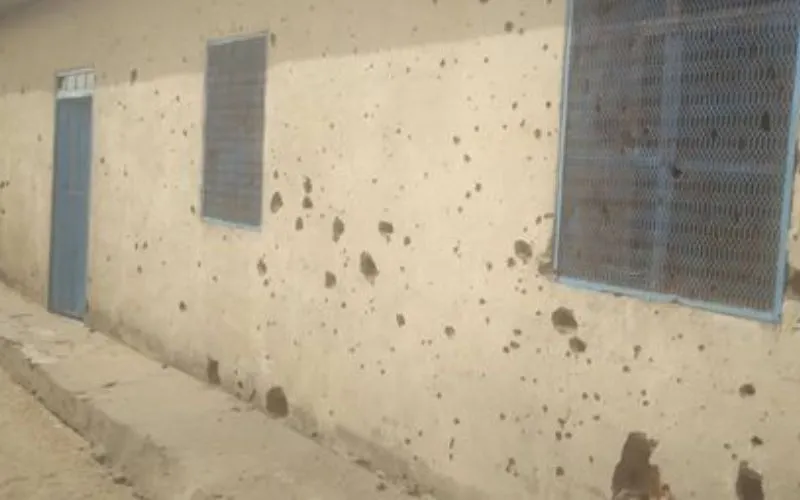
The letter calls for decisive intervention by the international community in light of evidence published by Yale’s Humanitarian Research Lab that the RSF has built walls at the edges of the city to control the movement of persons, and that an estimated 260,000 people, including 130,000 children, have endured a 17-month siege by the Rapid Support Forces (RSF).
“Time is running out for the estimated 260,000 civilians, including 130,000 children, trapped in El Fasher, Darfur’s final battleground between the Sudanese Armed Forces (SAF) and the Rapid Support Forces (RSF),” the organizations say in their letter.
They add, “The RSF has besieged the North Darfur capital for over 500 days, using starvation as a weapon of warfare by blocking food and lifesaving humanitarian assistance from entering.”
“We, the undersigned civil society organisations and humanitarian actors, urgently call for safe humanitarian access, including voluntary evacuation routes for the civilians trapped in El Fasher,” they say, and add, “Evacuation routes need to be secured without delay to provide civilians in El Fasher safe, voluntary, and dignified passage.”
The organizations report that over 470,000 people have been displaced from El Fasher and surrounding areas since the start of the siege in May 2024.
They say that in the past four weeks, conflict between the belligerents and their allied militias has sharply escalated, along with atrocity crimes against civilians.
According to the organizations, many of them research agencies privy to the Sudanese civil war, the El Fasher is the main battleground between the RSF and the RSF and the Sudanese Armed Forces (SAF) in Darfur.
The city has been under siege since April 2024 during which places of worship have been targeted, the organizations say.
During the siege, civilians trapped in the city have also endured months of cholera devastation, with little help, as humanitarian agencies are not allowed entry into the city.
In an interview with ACI Africa last month, an official at the Catholic Agency for Overseas Development (CAFOD) spoke about the devastating situation in El Fasher, where there is no one going in, and only a few are risking to get in to deliver aid.