Despite the agreement, tensions between SSPDF and SPLA-IO have reportedly persisted, fueled by political rivalries, the politics of succession, ethnic divisions, and delays in the full implementation of the peace deal.
The situation worsened in early 2025, when renewed clashes erupted between the two factions, leading to widespread displacement and casualties, and the 14-year-old nation is currently experiencing renewed conflict between the South Sudanese People’s Liberation Movement-In Opposition (SPLM-IO) and the South Sudan Peoples Defence Forces (SSPDF), following the arrest of political leaders, including First Vice President Dr. Riek Machar Teny.
The reported arrest of the first Vice President, Dr. Machar, which followed the arrest of other leaders in the opposition, escalated tensions in the world’s youngest nation, raising fears of a return to large-scale conflict.
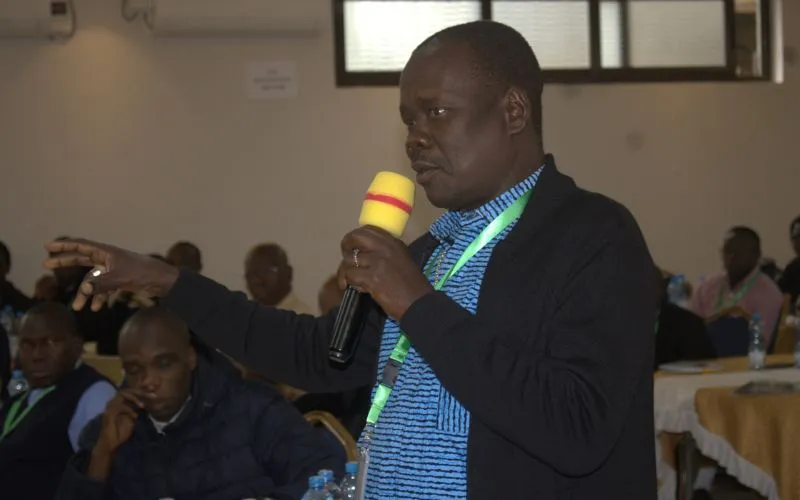
Meanwhile, during the October 23 interview with ACI Africa, Bishop Sakor urged both local and national political leaders in South Sudan to be sensitive to the needs of the people and prioritize genuine service rather than placing their focus on power struggles.
He said, “Let our leaders in South Sudan begin to look at the faces of their citizens. That is what true leadership means. Many of those who call themselves leaders are not truly leading. To be a leader, you must be present to see both the misery and the joy of your people.”
(Story continues below)
Bishop Lodiong also challenged leaders to step out of their comfort zones and go where the people are to better understand their daily struggles.
“Go to the refugee camps, to the villages, to the places of suffering. Sit with the people. Let them speak to you; let them cry before you. When you see the tears in their eyes, you will know the real pain of your nation,” he said.
He observed that most leaders in the country live in comfort: “They move from their air-conditioned houses to air-conditioned offices, driving in luxury vehicles. But when will they take time to look at the suffering faces of the people they claim to lead?”
“If you remain locked up in castles, cut off from reality, you will eat well while your people continue to starve,” said the Bishop of Yei.
He went on to criticize political leaders in the country who, he said, have resorted to suppressing their opponents instead of focusing on addressing the needs of the people.
He said, “What we see now in South Sudan is that most leaders focus on suppressing their opponents instead of serving the people. That is not leadership. A true leader should accept being challenged.”
“I often tell them: Don’t fear opposition leaders. If you believe you are doing the right thing, let your actions speak for you. Let people see the good you are doing, and the opposition will have no ground,” he stated.
Bishop Lodiong called upon opposition leaders in the East-Central African nation also to demonstrate integrity and humility in their advocacy.
“To opposition leaders too, I say, if you claim to challenge the government, show by your own example that you are different,” he said, noting that some of them “live in luxury” and are never in touch with the real needs of the people.
He continued, “They speak against corruption while they themselves are corrupt, building mansions and living comfortably while claiming to fight for the poor. Their children study abroad while they claim to represent the suffering citizens. My message is: whether in government or opposition, be in touch with the people.”
Commenting on the ongoing peace processes in the country, the South Sudanese Bishop cautioned against negotiations that prioritize political positions over addressing the suffering of the people.
He said, “When peace talks are held, I always ask, ‘Have you invited the refugees?’ Have you brought the displaced people to the table? If not, then what kind of peace are you negotiating?”
“When discussions are limited to the political elite, it becomes only about positions. But that is not the point. True leadership means sitting with the people, listening to them, and working to meet their real needs,” said the Bishop during the October 23 interview with ACI Africa.
Nicholas Waigwa is a Kenyan multimedia journalist and broadcast technician with a professional background in creating engaging news stories and broadcasting content across multiple media platforms. He is passionate about the media apostolate and Catholic Church communication.