 Credit: Association of Religious Formators in Kenya
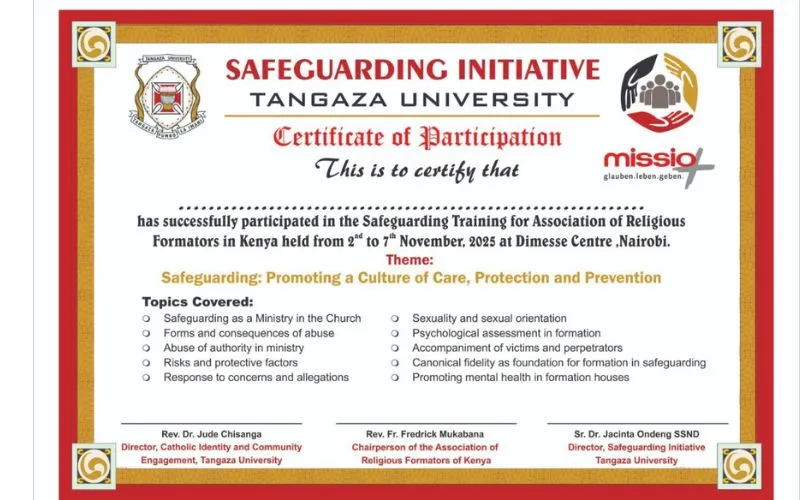
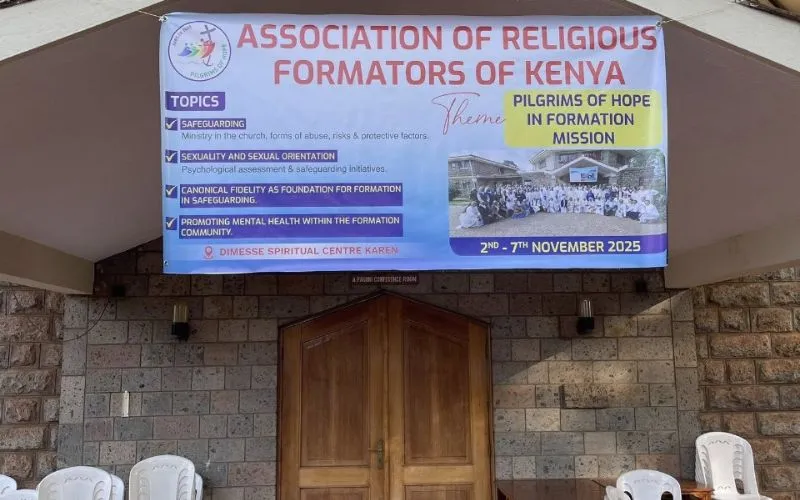
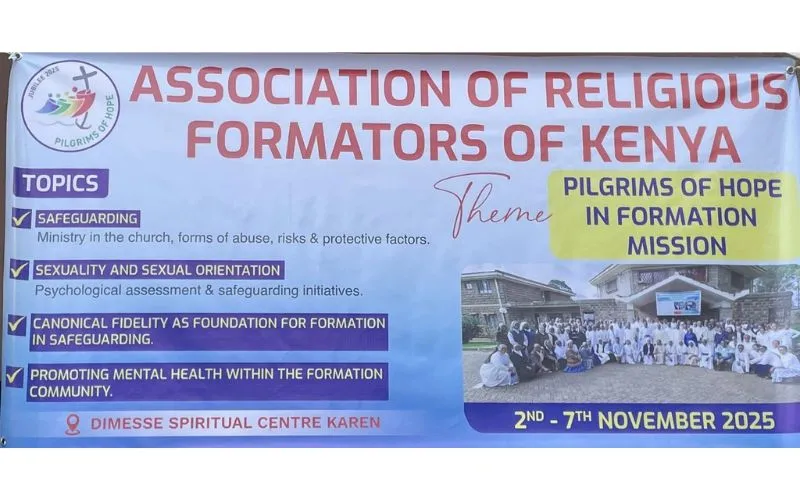
Fr. Mukabana went on to reveal that the November 2-7 training sessions were the first-ever on safeguarding and added, “Generally, formators were empowered on other topics in matters formation but this was the first time for them to have a training on safeguarding.”
“The main and essential emphasis was a call to sensitivity and vigilance on how we handle the young people in formation and other vulnerable adults within formation mission,” the Chairperson of the Association of Religious Formators in Kenya further said.
From Awareness to Implementation
Reflecting on the lessons from the safeguarding training, Fr. Mukabana told ACI Africa, “It was a great moment to learn the diverse forms of abuses which I had never thought of. I learned that safeguarding is really diverse and a current need to be taken seriously.”
(Story continues below)
He outlined plans for implementation, saying, “This will be done by sensitising the formation team and other women and men Religious in formation houses on the importance of safeguarding.”
“We also intend to initiate seminars and workshops to the young people in formation to educate and inform them,” the Camellian Priest added.
He concluded, “Indeed the safeguarding initiative should be given priority in formation and religious houses to curb further abuses that may accrue.”
Creating Safe Spaces for Dialogue
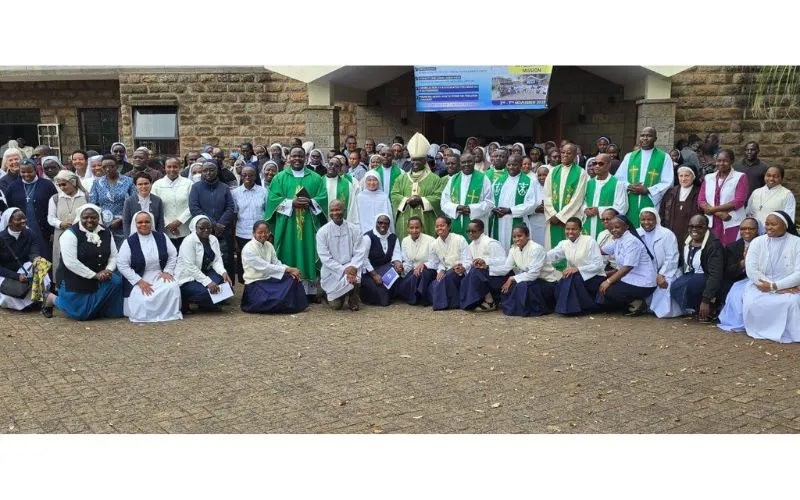
Also speaking to ACI Africa, Sr. Elizabeth Botongore who participated in the November 2-7 training described the week as “a point in time to create awareness and empower formators on safeguarding issues.”
“We were invited to create safe spaces that will foster dialogue, which will enable our formees to air out issues of abuse without feeling judged bearing in mind that we are all vulnerable to abuse of any kind,” Sr. Botongore said.
The Kenyan-born member of the Franciscan Sisters of the Heart of Jesus (FCJ) linked the safeguarding initiative to past experiences of abuse in the Church.
She explained, “Some background information that formed the initiative pertains to the abuses that were experienced in the Church, inviting us to be vigilant on matters of abuse, bearing in mind that we are not immune to this present.”
As Religious formators, therefore, Sr. Bogongore said, we are “called to create an environment where people feel cared for, protected, and prevented against abuse through safeguarding, not as a protocol but as a call to conversion.”
 Credit: Association of Religious Formators in Kenya
Personal Insights and Next Steps
Reflecting on her own lessons from the training, the Kenyan FCJ member, who serves as Formator in charge of FCJ Novices said, “Emphasis was more on safeguarding issues, which I found very essential in our time, where the generation we are dealing with is so much informed, and that everything for them seems to be an abuse, but it was clear, as I was able to demarcate the boundary about what an abuse is and what it is not.”
She went on to acknowledge the challenge of addressing issues of sexual orientation, saying, “The challenge I experienced as a formator was on sexual orientation and the Church’s stand, not negating the respect of the human person; it was very clear on forming a sound Church, in that these other orientations can have an impact on the sanctity of the Church.”
Sr. Botongore emphasized the “need to be on guard about who we admit to our institutions, not forgetting the motive behind.”
On implementation, the Directress of FCJ Novices in Kenya said, “I ought to do my part by creating a safe environment where the formees will be free to share, feel cared for, protected and prevented at the same time being able to learn the nonverbal cues which may be communicating any form of abuse.”
She also highlighted her role, in case of discontinuing FCJ Novices, “to give my contribution regarding the formee and allow the Major Superiors also to decide (on) the same, being human in this regard.”
Sr. Botongore also proposed that “there should be forums for self-care where formators will also be able to share the challenges they experience in the ministry as a way of encouraging and motivating one another.”
A Growing Priority in the Church
 Credit: Association of Religious Formators in Kenya
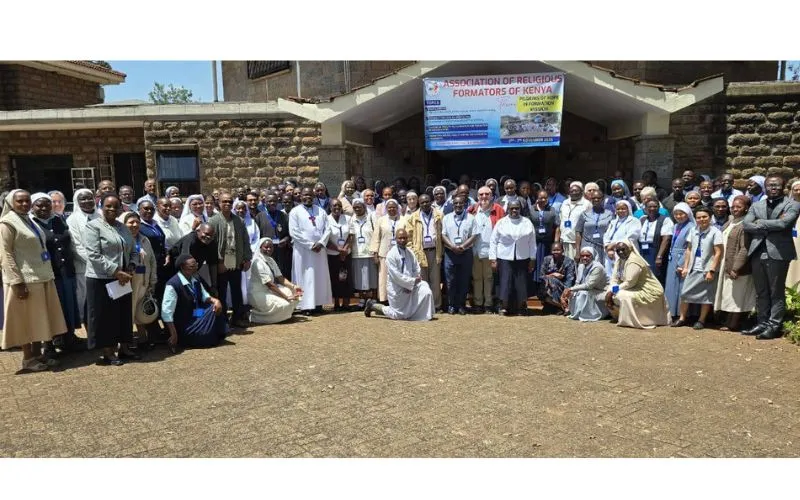
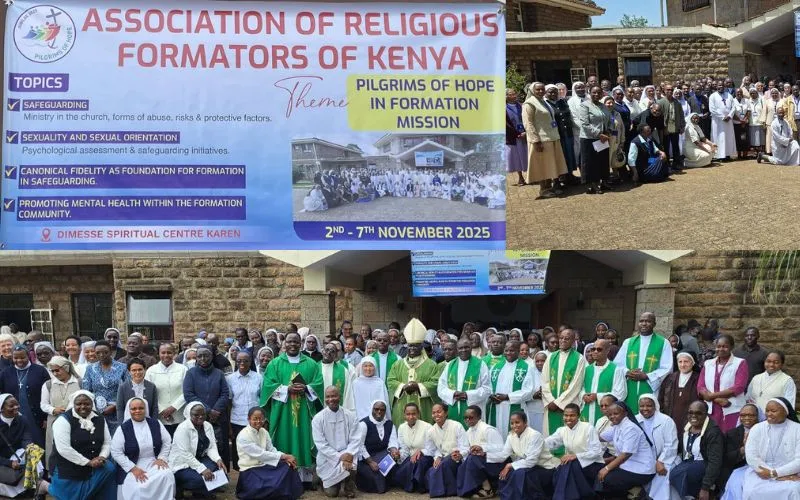
The November 2-7 training of Kenya-based Religious formators aligns with wider efforts by the Catholic Church across the globe to strengthen safeguarding structures and promote a culture of care within formation and ministry.
These initiatives reflect the Catholic Church’s ongoing commitment to accountability, prevention of abuse, and pastoral accompaniment of victims and survivors in line with the late Pope Francis’ call “to welcome open-heartedly minors and vulnerable persons and to create for them a safe environment for them, with their interests as a priority.”
On Saturday, November 8, Pope Leo XIV met with 15 survivors of clergy sexual abuse. The meeting, described as one of “closeness with the victims, of deep and painful listening and dialogue,” lasted nearly three hours and concluded with “an intense moment of prayer” shared between the Holy Father and the survivors.
This was the second time in less than three weeks that Pope Leo XIV has met at the Vatican with victims of clerical abuse. On October 20, he received four survivors and two representatives of the international coalition Ending Clergy Abuse, which brings together victims and advocates from more than 30 countries.
ACI Africa was founded in 2019. We provide free, up-to-the-minute news affecting the Catholic Church in Africa, giving particular emphasis to the words of the Holy Father and happenings of the Holy See, to any person with access to the internet. ACI Africa is proud to offer free access to its news items to Catholic dioceses, parishes, and websites, in order to increase awareness of the activities of the universal Church and to foster a sense of Catholic thought and culture in the life of every Catholic.



 Credit: Association of Religious Formators in Kenya
 Credit: Association of Religious Formators in Kenya