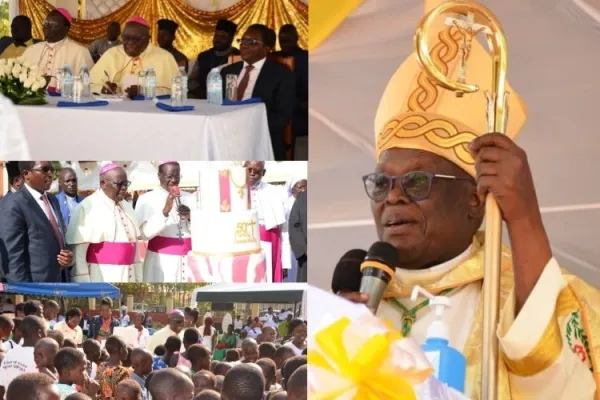
He continued in recollections, “The Bishops in Mali have always issued messages before every election in our country sounding the alert and inviting the government to organize transparent elections, ensure good governance and better management of resources.”
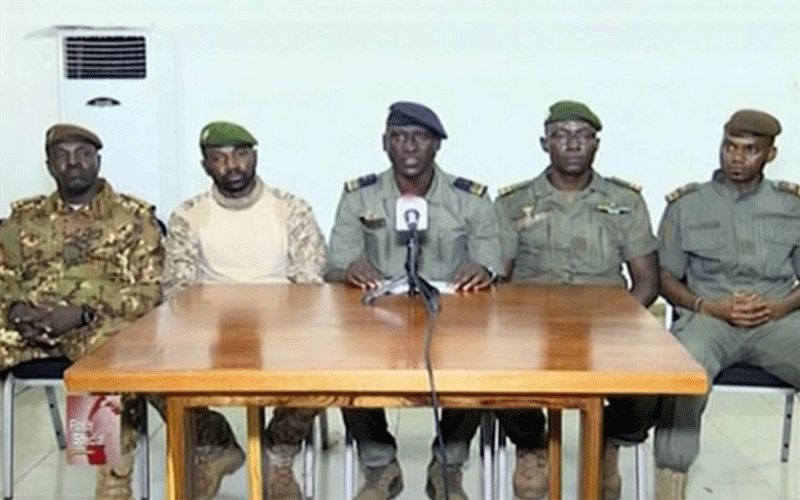
“But it seems our messages are never taken into consideration that is why we find ourselves in this situation today,” the Local Ordinary of Kayes Diocese told ACI Africa and added, “If the opinion of the Episcopal Conference of Mali is needed to mediate in bringing back stability and peace in the country, then we are ready.”
Mali has reportedly experienced a surge in violence involving both civilians and the military since 2016, with more than 4,000 deaths reported in 2019 alone as compared to some 770 three years earlier.
In July, religious leaders in the West African nation appealed for calm and peaceful dialogue following days of violent protests and unrest in the country’s capital, Bamako.
“We are greatly concerned about the upsurge in violence in Bamako. We use this opportunity to launch an appeal for peace, with regard to all the damages caused. Mali does not deserve what is happening now,” Jean Cardinal Zerbo told Mali’s National Radio and Television, ORTM, July 14.
(Story continues below)
In the August 19 interview with ACI Africa, Bishop Dembélé noted that “things cannot change if Malians themselves do not accept to change.”
As a way forward, the Bishop urged the people of God in Mali to “seek the path to conversion” and to accept dialogue in the spirit of truth and honesty.
“We all want change in our country, but this change can only be possible if individually we seek the path to conversion. It is for Malians be they Muslims or Christians or members of traditional religion, to do an examination of conscience and accept personal and community conversion in order to engage in sincere dialogue,” he said.
He continued, “This dialogue must take into consideration our traditional African values that encourages justice and reconciliation.”
“Malians are true and faithful believers, Muslims or Christians alike; we must not forget that prayer is an effective weapon for forgiveness and reconciliation,” the President of CEM said.
He added, “The dialogue process can only succeed if we allow God to come into our lives, touch our hearts for us to be able to ensure the changes our country really needs,”
“We invite Malians not to relent in their prayers. Continue to pray for peace in our country, for forgiveness and reconciliation,” Bishop Dembélé told ACI Africa.
Jude Atemanke is a Cameroonian journalist with a passion for Catholic Church communication. He holds a Bachelor’s Degree in Journalism and Mass Communication from the University of Buea in Cameroon. Currently, Jude serves as a journalist for ACI Africa.