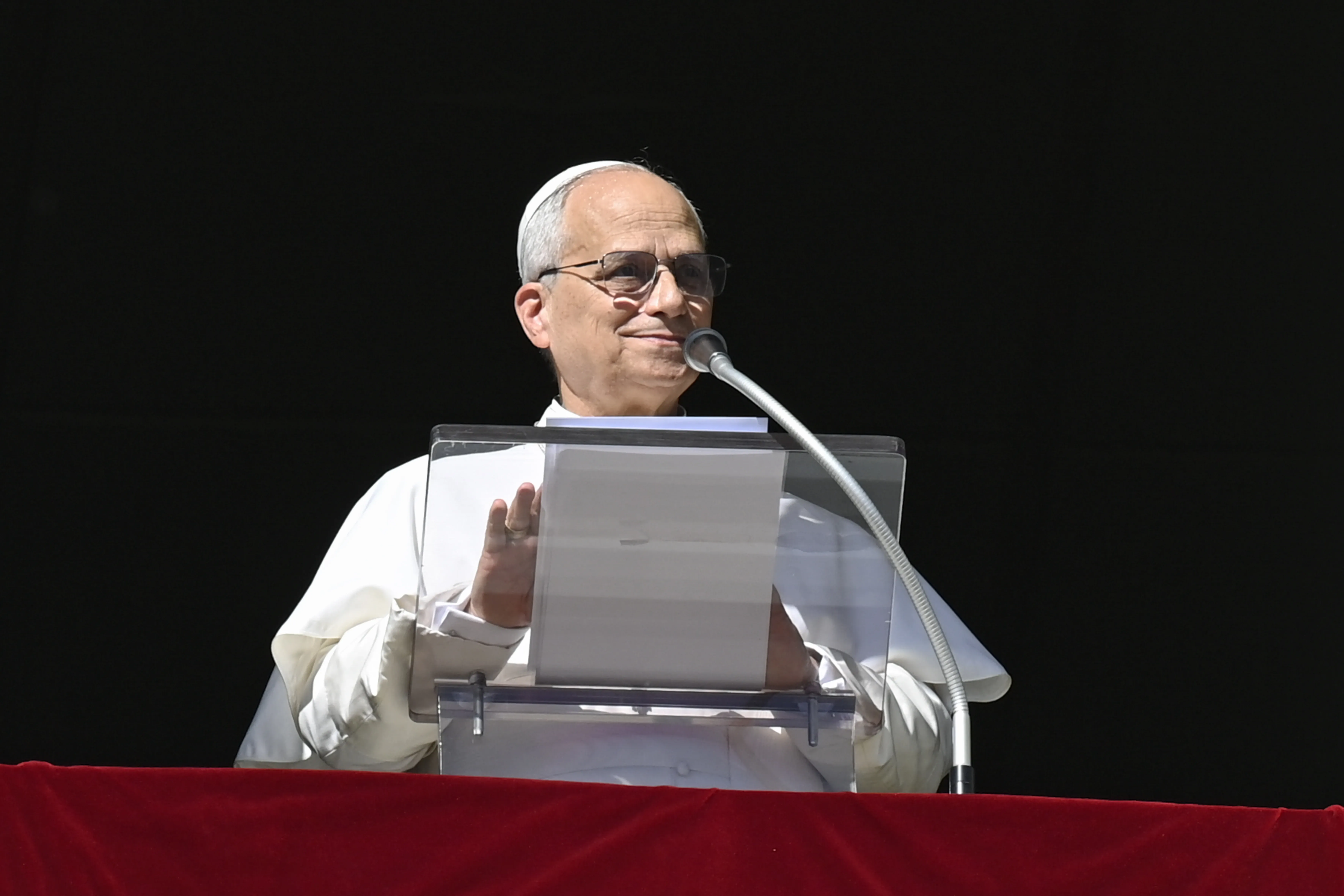
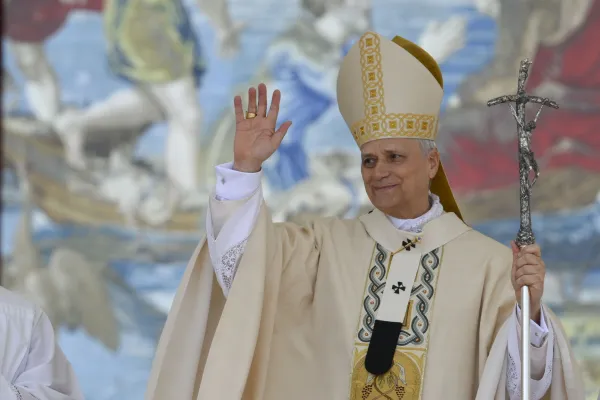
In his message, Pope Leo acknowledged the influence of economic interests in health care and technology.
“Given the vast economic interests often at stake in the fields of medicine and technology, and the subsequent fight for control, it is essential to promote a broad collaboration among all those working in health care and politics that extends well beyond national borders,” the pope said.
AI not a substitute for ‘human encounter’ in medicine
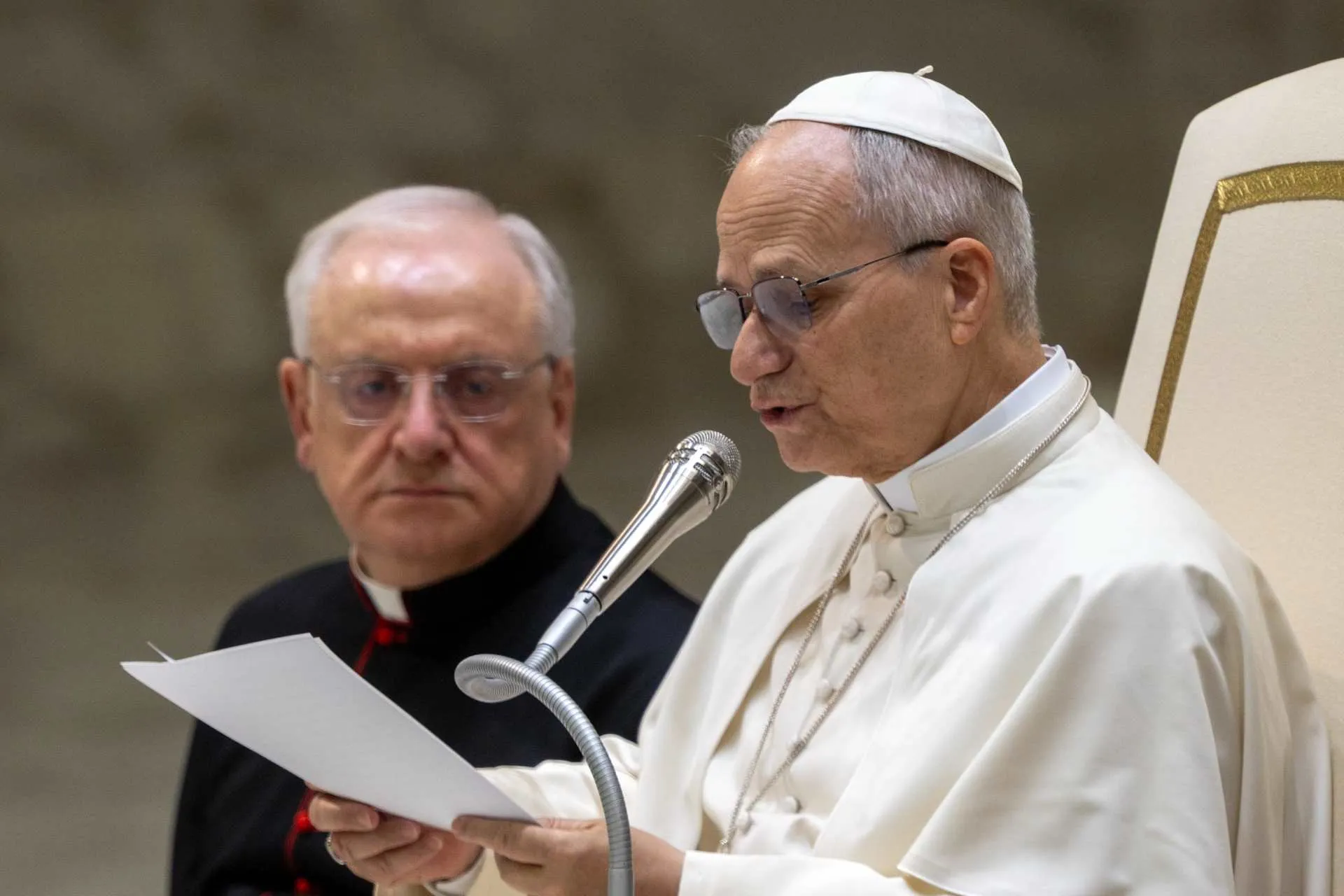
Pope Leo underlined that “technological devices must never detract from the personal relationship between patients and health care providers.”
“If AI is to serve human dignity and the effective provision of health care, we must ensure that it truly enhances both interpersonal relationships and the care provided,” he said.
(Story continues below)
Leo described the new technological advancements brought by AI as “more pervasive” than those brought by the industrial revolution, noting their potential to alter “our understanding of situations and how we perceive ourselves and others.”
“We currently interact with machines as if they were interlocutors, and thus become almost an extension of them,” he said. “In this sense, we not only run the risk of losing sight of the faces of the people around us but of forgetting how to recognize and cherish all that is truly human.”
The three-day Vatican conference on AI and medicine, running Nov. 10–12, is one of several in recent months addressing the ethics of AI — an issue Pope Leo XIV has signaled will be a priority in his pontificate.
At the Builders AI Forum in Rome last week, which addressed the challenge of AI for Catholics and Catholic institutions in a variety of fields, medical school professors, health care company executives, insurance company directors, medical chaplains, and entrepreneurs in the field came together to discuss and debate the future of AI in Catholic health care.
Louis Kim, the former vice president of personal systems and AI at HP, shared that the consensus among these professionals at the end of the forum was that “AI may assist but must never substitute for human encounter [in Catholic health care] and must remain clearly identifiable as non-human so that the pastoral and sacramental integrity of care is preserved.”
Daniel J. Daly, executive director of the Center for Theology and Ethics in Catholic Health and an associate professor of moral theology at Boston College, told CNA he is concerned that if AI models used in Catholic hospitals are only trained to maximize “efficiency and profit” it could lead to “a massive failure for Catholic health care.”
“What I worry about is that what could happen in health care is that AI replaces that embodied witness to the kingdom of God,” Daly said. “That can never happen in Catholic health care, because Catholic health care is not just about medicine. It’s also about Jesus Christ and witnessing to his healing ministry that we see in the Scripture.”
“I think the most important thing is that whatever the AI does, that it frees us to do the works of mercy, it doesn’t free us from the works of mercy,” he added. “That is, it doesn’t replace the embodied care and ministerial care that we provide through medicine.”
Courtney Mares is a Rome Correspondent for Catholic News Agency. A graduate of Harvard University, she has reported from news bureaus on three continents and was awarded the Gardner Fellowship for her work with North Korean refugees.