In the November 12 interview, Fr. Selvam emphasized the need for parents and guardians to take personal responsibility in the formation of young people, and warned that “If we don’t act, our youthful population could become a liability. We keep labelling them ‘Gen Z’ or ‘Gen Alpha,’ but we’re not doing much to form them.”
“The care of children is increasingly delegated. Parents pay others to raise their children. From infancy to preschool, children spend their waking hours with house helps or teachers. By the time they reach their teens, that bond is gone,” he said.
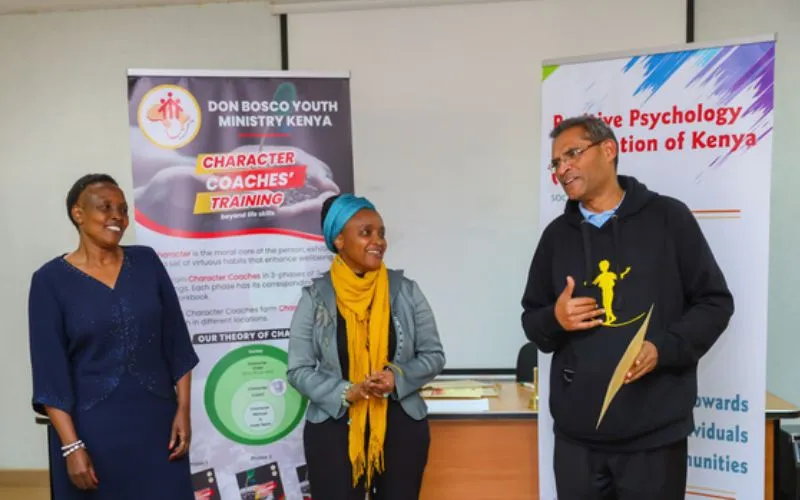 Credit: Fr. Sahaya G. Selvam
The Salesian Priest who serves as member, Board of Trustees, Lugha Ishara – an NGO working with families that have children who are deaf, teaching them Kenya Sign Language – went on to criticize the tendency to equate work solely with paid employment, neglecting the essential work of parenting, which he said has led to a weakening of family bonds.
“Children spend more time with caregivers and peers than with parents. We’ve lost our grip on this generation. Interestingly, in Europe, families are rediscovering this balance; they have fewer children but prioritize childcare, and that’s making their societies more stable,” he said.
(Story continues below)
He expressed concern that “Africa is still preoccupied with catching up economically, often at the expense of family and moral formation.”
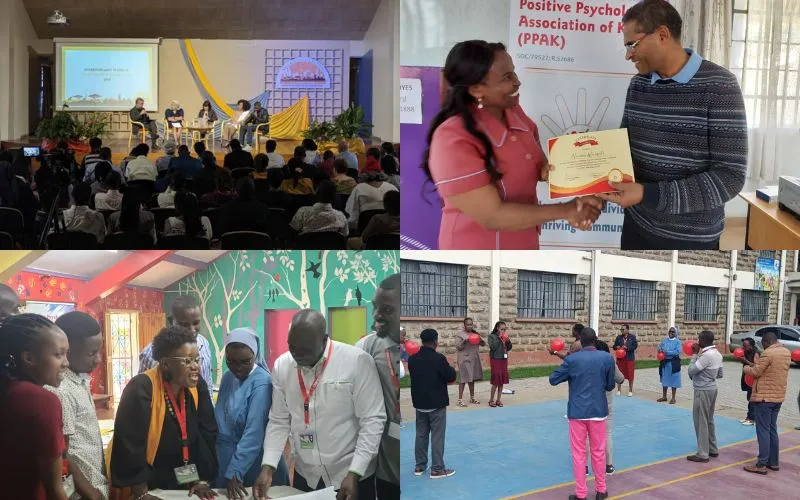
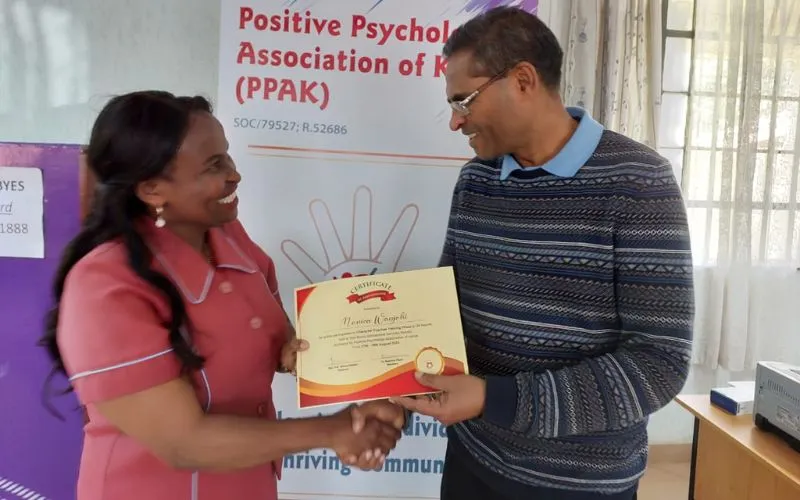
Fr. Selvam also told ACI Africa that he remains hopeful the Character Coaches Training, which has so far trained 450-character coaches, will have “a ripple effect” particularly on parents and guardians despite currently being “just a drop in the ocean.”
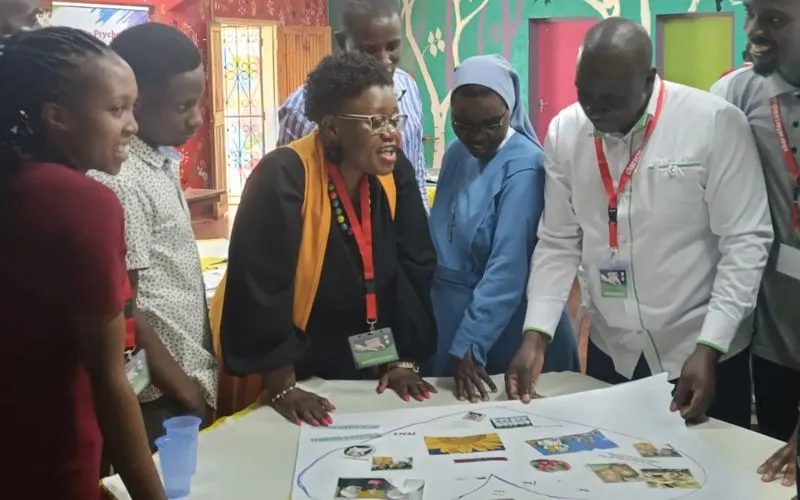 Credit: Fr. Sahaya G. Selvam
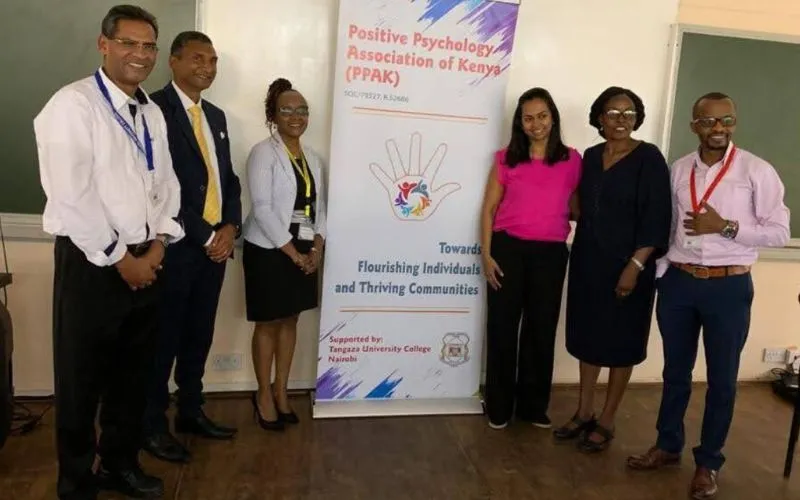
“Right now, we’re building a network of ambassadors or champions for the program; people who can reach out to schools and parishes and train teachers to integrate character formation,” the PPAK founding Chair said during the November 13 interview.
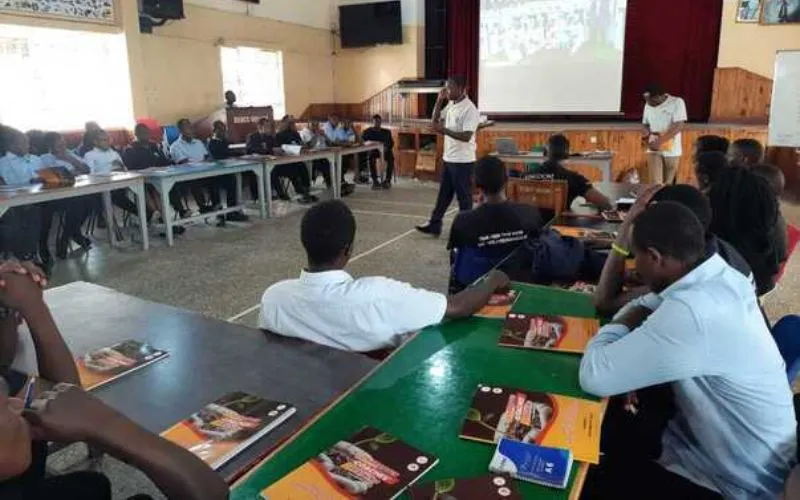
In the November 12 interview, Fr. Selvam also reflected on the impact of the first phase of the ToT initiative, noting that despite training more than 450 character coaches since July 2022 sessions, “people are still slow in uptake.”
“We are wondering how we can convince Parish Priests, the head teachers, to give access to these character coaches to form character clubs,” he said on November 12.
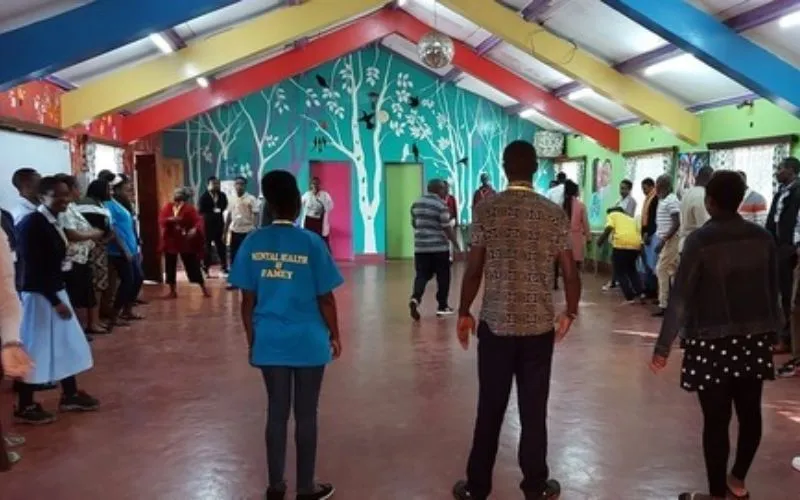 Credit: Character Coach Africa
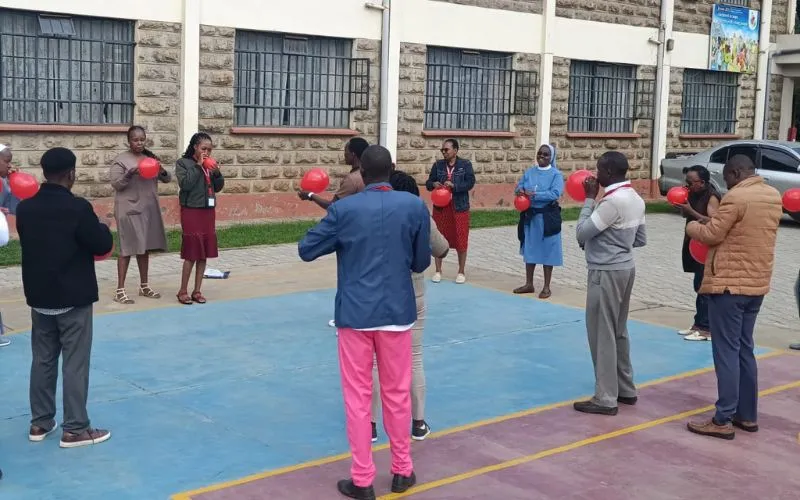
On participants in the ToT initiative, Fr. Selvam said, “We have non-Catholics as well who come; even Muslims come for these programs. We encourage them to start character clubs in their own religious context, but people are slow in uptake.”
The proposal to have the program implemented formally in schools by its mainstreaming in the Competency Based Education (CBE) curriculum has had challenges due to the associated costs.
The PPAK founding Chair explained, “We presented our curriculum to the Kenya Institute of Curriculum Development (KICD), and, you know, they want a lot of money to review and approve. For example, they are requesting KES 500,000 (US$ 3,894.00) from us. First of all, we don't have that money, and if we had, we could use it to train more people instead. So those are some of the choices we have to make.”
 Credit: Character Coach Africa
He said that PPAK is currently focusing on completing an internal impact assessment of the program to demonstrate its impact. “We are now measuring the psychological impact through pre-tests and post-tests. I have done preliminary analysis, and it's positive,” he said.
The Salesian Priest added that he is currently working on “an empirical scientific analysis” of the data and plans to publish an academic paper demonstrating the impact of the ToT program.
In the November 12 interview with ACI Africa, Fr. Selvam went on to highlight some of the best possible scenarios if the local churches operationalize the program in their contexts.
“If we take the example of the Archdiocese of Nairobi, the youth ministry is beautifully planned in terms of stratified youth groups. They have the PMC, and then what they call the MYM, which is basically teens. They also have the YSC and then the YCA,” he said.
He described the youth group formations as “a good start,” but faulted the youth formations for lack of “content in terms of what they talk about when they come together.”
 Credit: Character Coach Africa
“We now need content and trained animators,” the PPAK official appealed, adding, “Priests, too, must take responsibility and be present with young people. This model should be replicated across Dioceses in Kenya and beyond.”
He said that the PPAK character formation program, whose manual embraces a “participatory” approach without “too much teaching,” is “scientific, but the content is very much faith-oriented” and would be ideal for young people because “it speaks the language of the youth.”
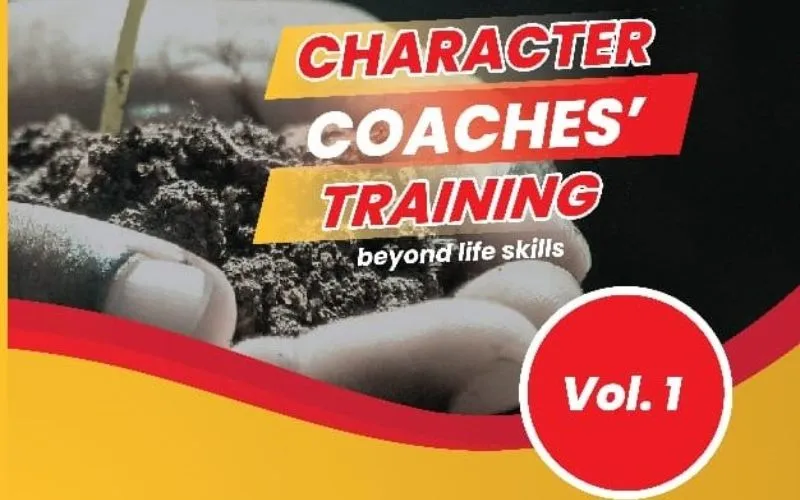
The holder of a doctorate in Counselling Psychology from the University of London explained that the character coaches’ program comprises “three modules, with each covering 12 modules, called character strengths, using positive psychology terminology.”
 Credit: Character Coach Africa
“Character strengths are value-driven moral qualities that a person acquires by repeatedly practicing good actions, and these traits ultimately enrich their life as well as the lives of others,” he said.
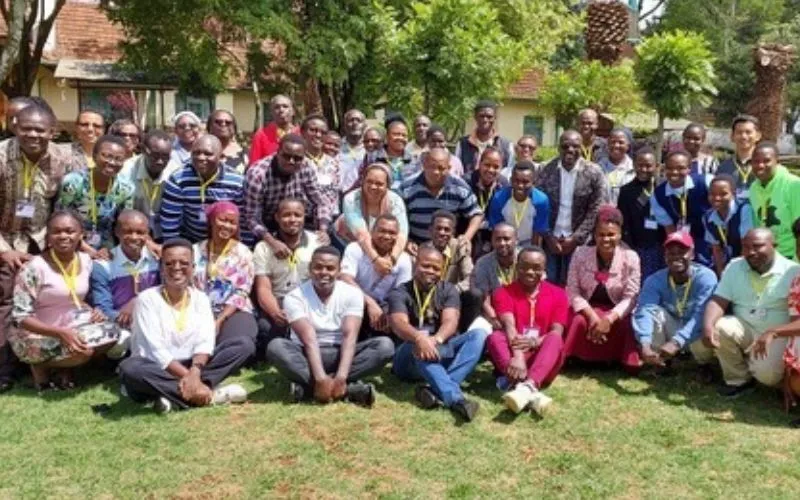
Meanwhile, speaking about the November 12–14 phase two of the coaches’ training, Fr. Selvam said the 21 participants, including teachers, trainers, youth workers, life coaches, sports coaches, priests, and other professionals working with young people, are expected to join other beneficiaries in championing the program and integrating it in their different contexts.
“Right now, we’re building a network of ambassadors or champions for the program; people who can reach out to schools and parishes and train teachers to integrate character formation,” the Kenya-based Salesian Priest told ACI Africa on November 12.
Nicholas Waigwa is a Kenyan multimedia journalist and broadcast technician with a professional background in creating engaging news stories and broadcasting content across multiple media platforms. He is passionate about the media apostolate and Catholic Church communication.



 Credit: Fr. Sahaya G. Selvam
 Credit: Fr. Sahaya G. Selvam
 Credit: Fr. Sahaya G. Selvam