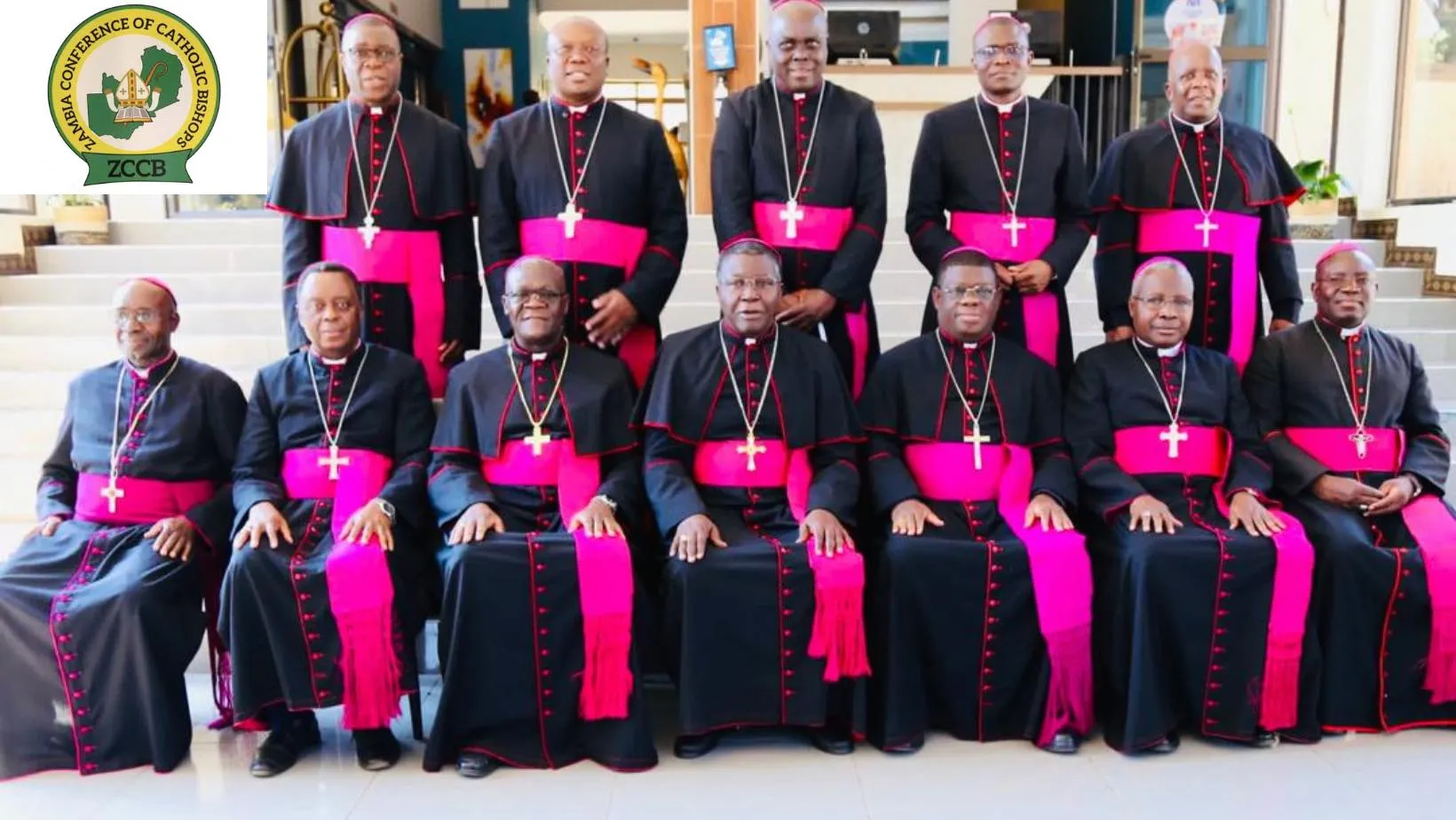
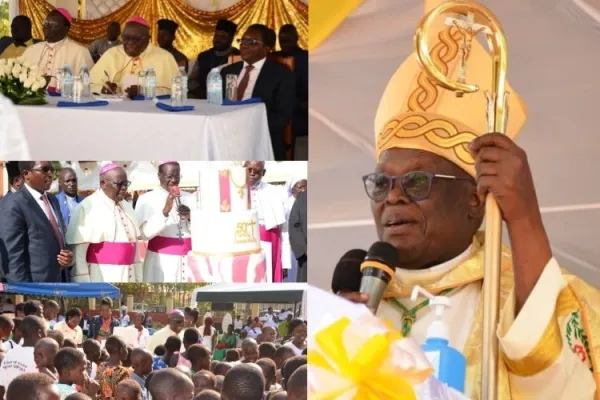
The ZCCB members call on the people of God in the Southern African nation “to refrain from violence, provocation, and lawlessness,” stressing that every Zambian has both a moral and civic duty to protect the peace for which the country is renowned.
“ZCCB also calls on political party leaders to take decisive steps in restraining and guiding their supporters,” reads the November 20 statement themed, ‘Make every effort to live in peace with everyone and to be holy; without holiness no one will see the Lord (Hebrews 12:14).’”
Citing Zambian President Hakainde Hichilema’s consistent call for “the need for non-violence and peaceful political engagement,” the Catholic Bishops also appeal to “all leaders, across the political spectrum, to echo and enforce” the President’s message “within their ranks, before it is taken for mere rhetoric.”
“We call on all stakeholders to rise above partisan interests and work toward preserving the harmony that has defined our nation for generations,” they say, adding, “Zambia can only prosper when peace prevails.”
The Zambian Bishops commend law enforcement agencies for their rapid response during the attack against an opposition politician on November 19, which helped rescue the targeted politician and avert what they described as a potentially “more tragic outcome.”
“As we draw nearer to the 2026 general elections, ZCCB calls on the Police Service to intensify efforts to maintain peace, law, and order,” they state, adding an appeal for impartial law enforcement and the prompt apprehension of those responsible for political violence.
They say, “We, once again, appeal to the Zambia Police Service to avoid the selective application of the law. Those individuals visibly seen in video footage attacking Hon. Lubinda must be identified and arrested immediately without fear or favor.”
“Equal enforcement of the law is essential to building public confidence and discouraging future acts of violence,” the Zambian Catholic Church leaders say in the November 20 statement.
The Southern African nation is scheduled to hold its general elections on 13 August 2026, when eligible citizens are expected to vote to elect the president, members of the National Assembly, councillors, and council chairpersons. Other African countries due for general elections on the African continent in 2026 include Uganda in January, Ethiopia in June, Morocco in September, and South Sudan in December.
On November 13, the ZCCB members condemned the violence that disrupted President Hichilema’s address at Chiwempala Market in Chingola and expressed alarm over calls for the return of factional and loyalist network politics by ruling party officials.