Answering her own question, she painted Jawatho as a place teeming with life and stories despite the poverty. We find a response to the question by transposing it to yet another geography: can anything good come from Beringo? There is, in Beringo, a whole flora and fauna where Romeo found Juliet nestled in shrubby precipices, and in fact, it was in Beringo that the final impetus to write the book was born, the author confirmed to ACI Africa.
 Credit: Courtesy Photo
Sr. Jeruto also explained the subtitle of the book, noting that during its development, there was debate about how to classify it. “Was it a biography, an autobiography, a memoir, fiction, or simply history? The lines kept blurring,” she recalled, and added, “Eventually, we settled on calling it quasi-memoir.”
The Kenyan Catholic Sister continued, on a lighter note, that pronunciation itself became part of the conversation. “In the end, I chose to listen to the accent carried by the Savannah winds and went with Kwasi,” she said, explaining that the term captured “the delicate blend of truth and fiction, memory and imagination.”
 Credit: Courtesy Photo
(Story continues below)
Writing as birth and relief
In his remarks, Fr. Nyutu likened the writing process to bringing new life into the world. “Writing a book is like carrying a pregnancy to term and delivering the long-awaited baby,” the author of the launched book said.
He recalled receiving the printed copies on 24 December 2025. “I couldn’t help but sigh with relief. And to us, a book is given. His great name is The Green Blood of Gotyomo and Other Stories,” he said.
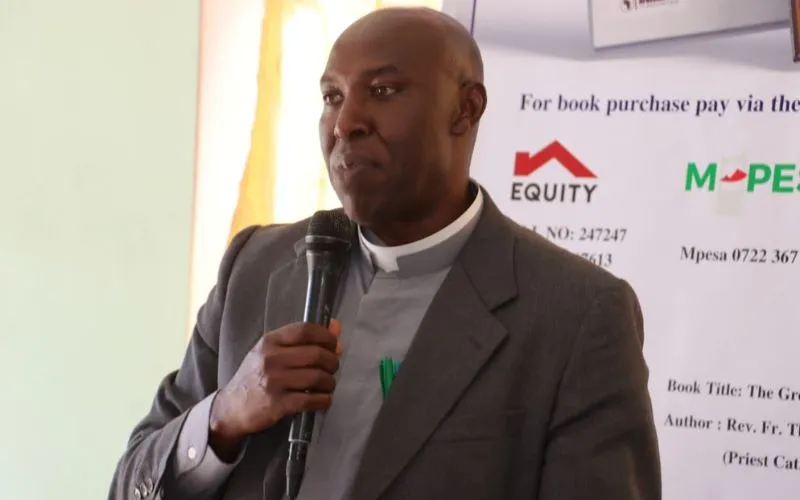 Fr. Thomas Nyutu. Credit: Courtesy Photo
Describing the personal significance of the moment, Fr. Nyutu told participants that his first stop after receiving the books was the Cathedral Rectory, where he signed copies. “That experience, I want to say this term from an author’s mouth … that experience was orgasmic,” he said, eliciting laughter from the audience.
Thanking those who encouraged him, he singled out Sr. Jeruto for what he called “the final impetus” that pushed him to write, recounting a visit to Baringo during the launch of her poetry collection The Savannah Girl. “Facing the hallowed Morop, I promised the people there, I will write something about this place,” the Kenyan Catholic Priest recalled.
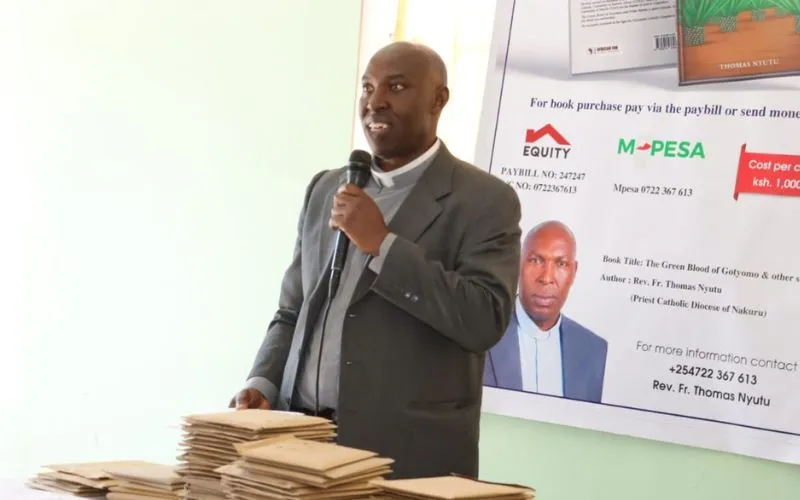 Fr. Thomas Nyutu. Credit: Courtesy Photo
Stories rooted in lived experience
Fr. Nyutu explained that the anthology brings together 30 stories drawn from “everyday life experiences as viewed through the eyes trained in the school of life known as Jawatho,” where he spent much of his boyhood.
He noted that the title story dates back to 2008 and was inspired by Kenya’s post-election violence. “I promised myself to write about the dark part of our history,” he said, explaining that the story waited “for the birth of many others that are today presented to the world.”
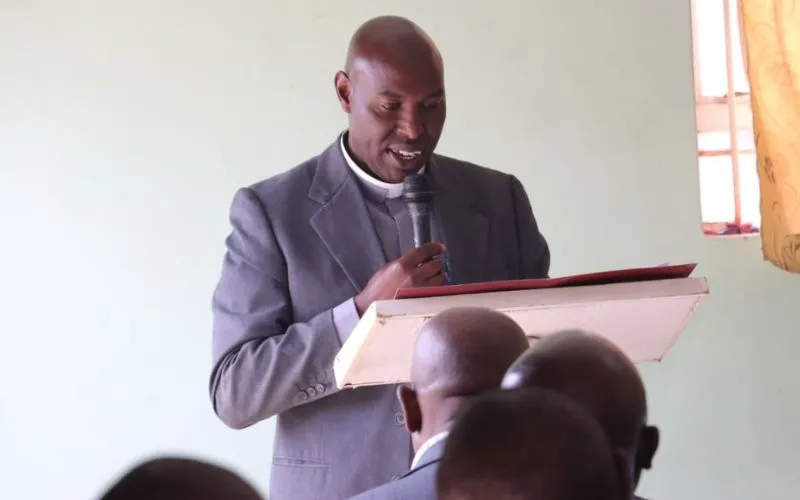 Fr. Thomas Nyutu. Credit: Courtesy Photo
According to the author, the stories mention “people and places known very well to many of us” and are told in “various languages that we speak.” He added, “They speak to us of matters close to our lives and close to our hearts.”
Addressing concerns about reading habits in Kenya, Fr. Nyutu said, “Cognizant of the poor reading culture currently permeating our country, I’m highly encouraged by those who already secured copies, read them, and made wonderful comments and feedback.”
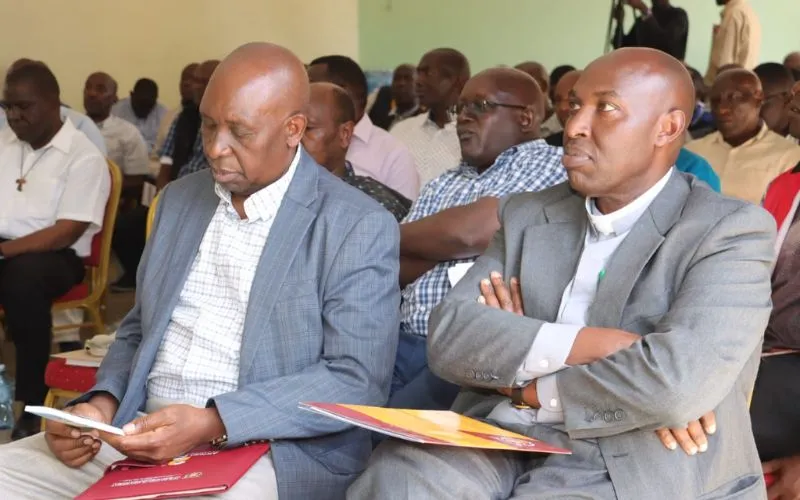 Fr. Thomas Nyutu. Credit: Courtesy Photo
He urged educators and members of learning institutions to engage the book early. “By the time KICD (Kenya Institution of Curriculum Development) picks this particular book for a set book, your students should be miles ahead,” he said.
A witness to history and culture
In his address, the chief guest at the book launch, Fr. Mbugua, reflected on the cultural texture of the stories, beginning with a humorous observation from the text. “When I looked at some of the stories, I found that Omo was being used in Jokerio, in Jawatho, and do you know what finished or eradicated lice, fleas, and bedbugs? It is Omo,” he said.
 Fr. Prof. Stephen Mbugua Ngari. Credit: Courtesy Photo
Turning to more serious themes, the VC of CUEA pointed to the story Lilongwe Chronicles as an example of cultural encounter. “Everybody goes through such, because the culture is the lens through which we observe the world,” he said, and added, “When you go to a different place, you have to wear a different lens.”
Fr. Mbugua also referenced the title story, noting its grounding in national trauma. “The green blood of Gotyomo, about the 2002-2008 post-election skirmishes, that quickly changed a lot of the landscape,” Fr. Mbugua said, adding, “Our family is a victim. That’s why now we live in Nakuru city.”
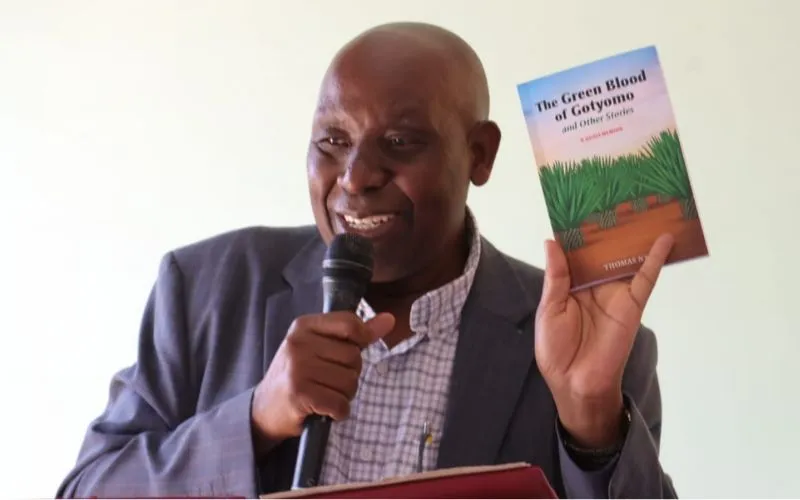 Fr. Prof. Stephen Mbugua Ngari. Credit: Courtesy Photo
For him, the strength of the book lies in its human resonance. “It carries voices, values, and visions,” he said, and continued, “Whether it makes us smile, reflect, or see life a little differently, its true success lies in how it connects with each reader.”
Reading, writing, and lifelong learning
Fr. Mbugua praised Fr. Nyutu’s commitment to growth, saying the book “explores a life or a biography of a character that has a wonderful self-drive to growth and development.”
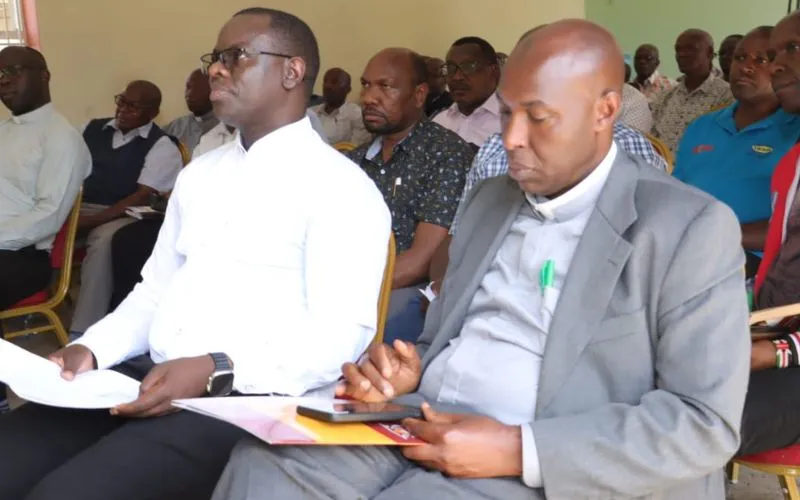 Credit: Courtesy Photo
Urging members of the Clergy to write more, he said, “I urge Fr. Nyutu to write more books and inspire our priests to embrace a culture of reading and writing.”
Fr. Mbugua emphasized lifelong learning, reminding participants in the January 13 book launch that “as per the norms, you must read about each year six books,” and added that reading “updates the mind, informs the reader, and keeps us all abreast with the current trends in divine and secular knowledge.”
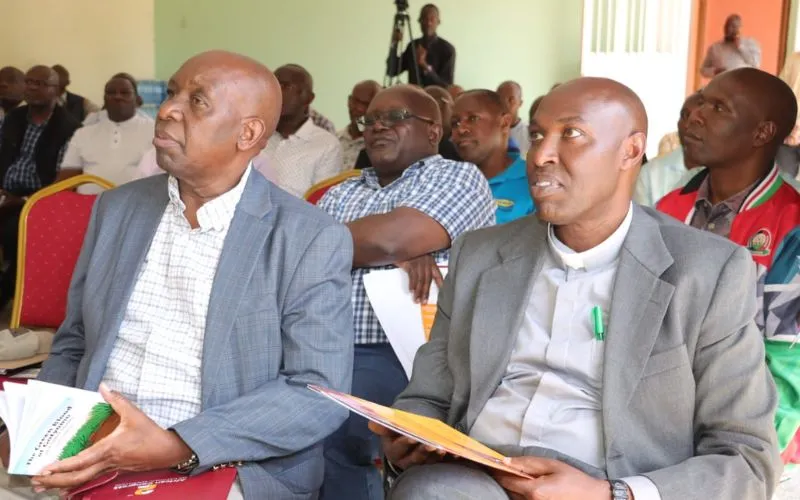 Credit: Courtesy Photo
Addressing aspiring writers, the member of the Clergy of Nakuru Diocese said, “Let this book be a reminder that stories deserve to be told. Your voice matters. Your story matters.”
Official launch and institutional support
 Credit: Courtesy Photo
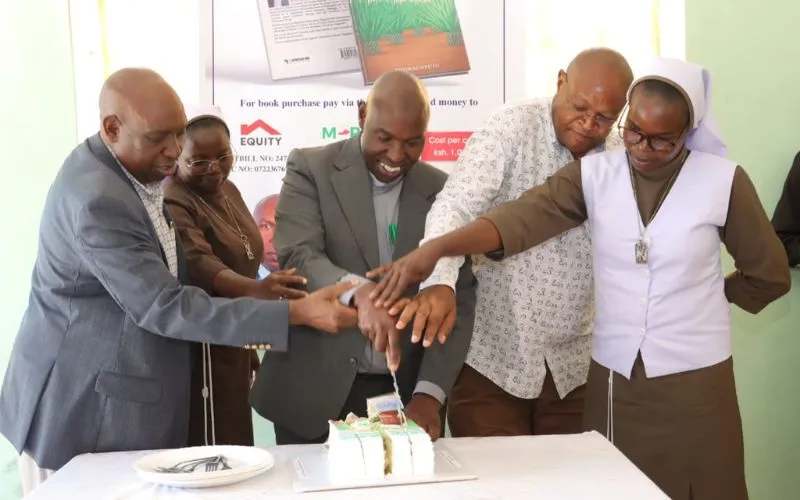
In a gesture of institutional backing, the VC of CUEA announced that he would purchase copies for Catholic Priests from Baringo and Pokot and for the Nairobi-headquartered Catholic University that belongs to the Association of Member Episcopal Conferences in Eastern Africa (AMECEA), noting that Fr. Nyutu is an alumnus.
“We are extremely proud of you, Fr. Nyutu, for representing the genre of the Catholic University of Eastern Africa,” he said, before officially launching the book.
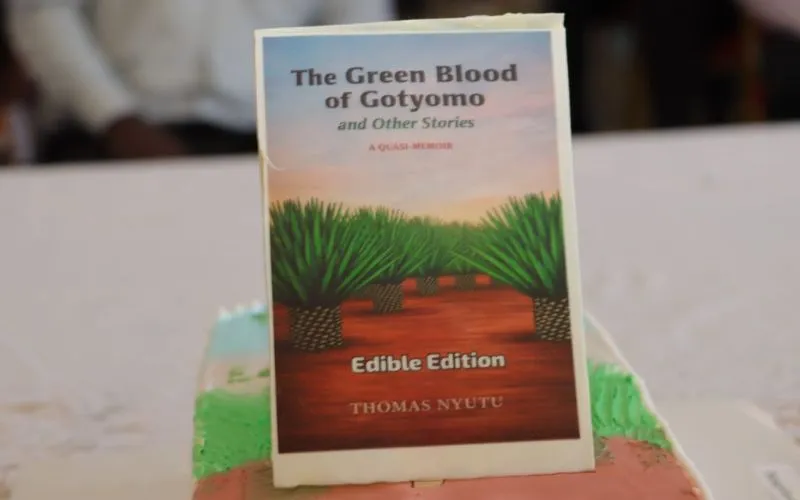 Credit: Courtesy Photo
“It is now my singular honour and delegated authority by the author to officially launch this book titled, The Green Blood of Gotyomo and Other Stories,” Fr. Mbugua declared, adding, “It is officially launched for reading and for inspiring us to write more.”
As the event concluded, participants were left with Sr. Jeruto’s closing exhortation to spread the word about what she called a “literary romance,” and with Fr. Nyutu’s promise: “I’m therefore not done yet with you. Watch this space. More is coming.”
ACI Africa was founded in 2019. We provide free, up-to-the-minute news affecting the Catholic Church in Africa, giving particular emphasis to the words of the Holy Father and happenings of the Holy See, to any person with access to the internet. ACI Africa is proud to offer free access to its news items to Catholic dioceses, parishes, and websites, in order to increase awareness of the activities of the universal Church and to foster a sense of Catholic thought and culture in the life of every Catholic.


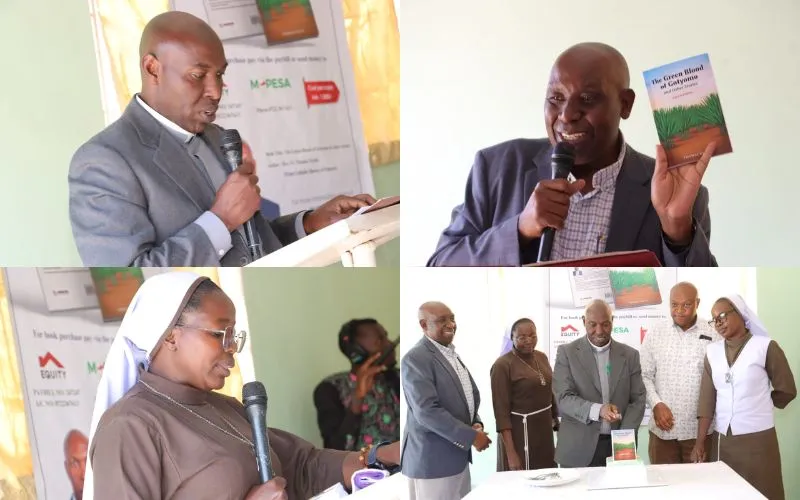

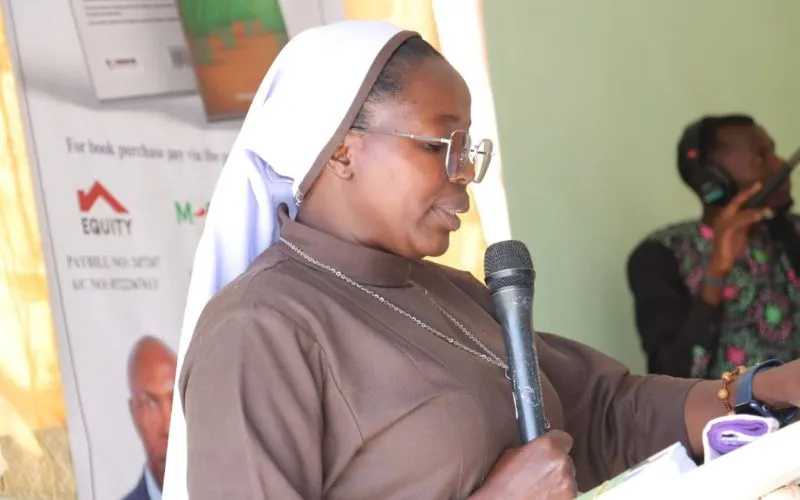 Sr. Esther Jeruto Koros. Credit: Courtesy Photo
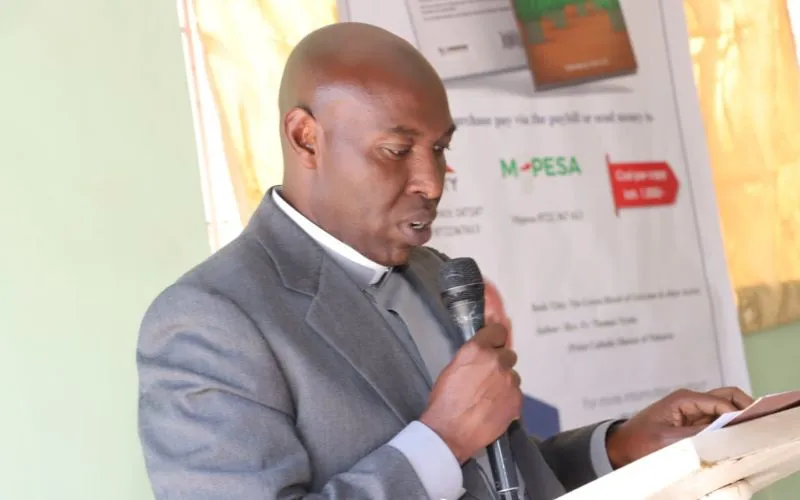 Fr. Thomas Nyutu, author of the book, "The Green Blood of Gotyomo and Other Stories: A Quasi-Memoir." Credit: Courtesy photo
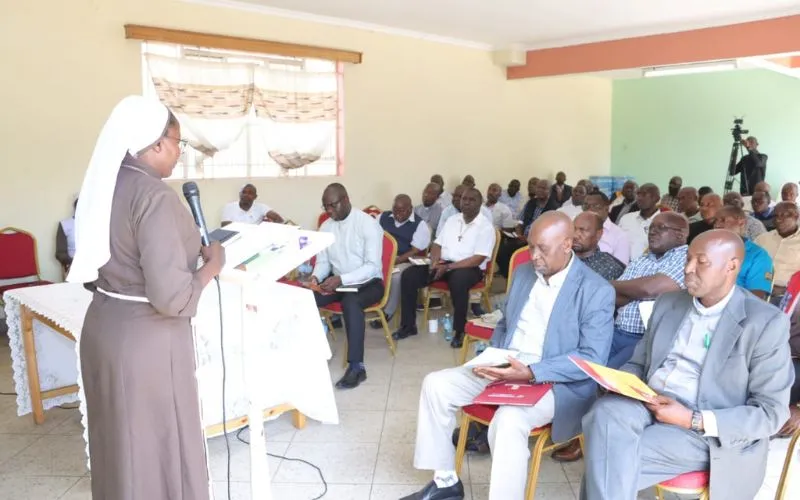 Sr. Esther Jeruto Koros. Credit: Courtesy Photo
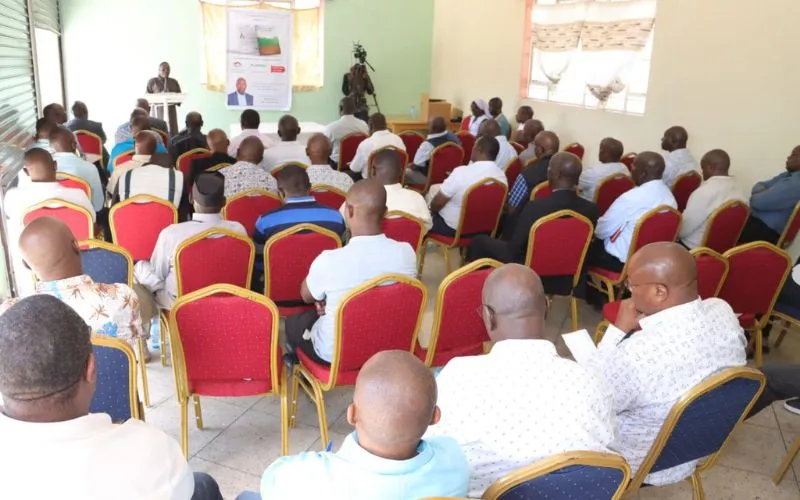 Credit: Courtesy Photo