The USCCB members provided logistical details about parking and public transport options near the Basilica to facilitate attendance. They framed the spiritual event as an expression of solidarity with Catholic communities across Africa facing violent conflicts, displacement, and targeted attacks.
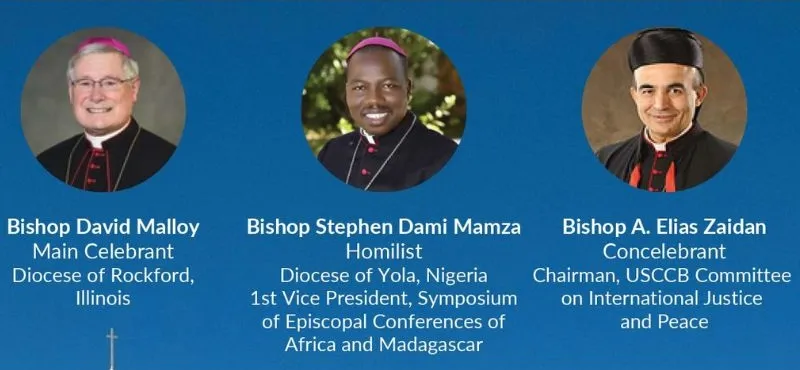 Credit: United States Conference of Catholic Bishops (USCCB)
In their February 2 joint statement, USCCB and SECAM official highlight a renewed sense of hope inspired by SECAM’s newly established 25-year pastoral roadmap, which seeks to guide the Church’s mission on the continent toward reconciliation, peace, and sustainable development.
They express hope in the future, reaffirming the main principles of Catholic Social Teaching, which they say will guide the cooperation between the people of God in Africa and the U.S.
“We assert that international assistance is an important means of promoting human dignity, protecting human life, and pursuing the international common good; helping both Africans and Americans to live in security and peace,” they say.
(Story continues below)
 Members of the Symposium of Episcopal Conferences of Africa and Madagascar (SECAM). Credit: SECAM
The Catholic Church leaders also “proclaim that the Church and the state, both in the U.S. and Africa, have a shared responsibility to promote the inherent human dignity of all, and to take action to protect human life, with special concern for the most vulnerable.”
They also emphasize the shared responsibility of Church and state, on both continents, to defend the inherent dignity of every human person, with particular concern for the most vulnerable.
“We affirm the continued moral and human value of solidarity between our peoples, in the belief that we flourish when we freely share the material resources, human capacities, and rich spiritual gifts with which we have been blessed,” they say.
 The USCCB autumn General Assembly in Baltimore, Md. (CNS photo/Bob Roller)
SECAM and USCCB officials affirm their role to “promote respect for subsidiarity, encouraging responsible stewardship by building up the capacity of local communities and bolstering people’s ability to care for those closest to them.”
“In the face of extreme challenges, we pray for renewed bonds of fraternity between the peoples of the U.S. and Africa, rooted not in paternalism or extractivism, but in mutual solidarity,’ the say, and note that the relationship between the people of God in Africa and in the U.S. is mutually enriching and deeply rooted in shared faith, mission, and hope.
“We reject a one-sided vision of fraternity and solidarity that undervalues the tremendous contributions of the African Church and African diaspora communities to the life of the faithful in the United States,” they say, and add, “The American Church is strengthened by the witness of the African saints and modern-day martyrs and enriched by the wisdom of African theologians.”
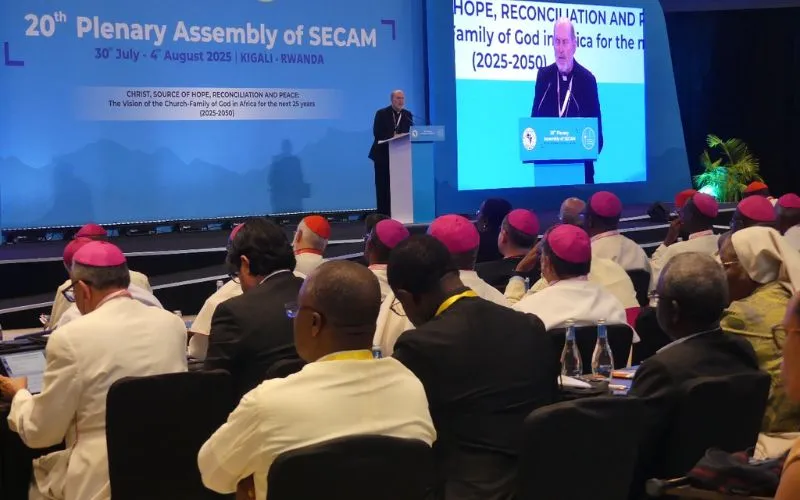 Archbishop Thomas Robert Zinkula, Chairperson of the USCCB Subcommittee on the Church in Africa, during the 20th SECAM Plenary Assembly in Rwanda’s capital, Kigali. Credit: ACI Africa
The Catholic Bishops underscore the importance of the African Clergy to the people of God in America, saying, “African clergy and religious generously share their missionary gifts in service of the American Church, with a close and tangible presence every day.”
“The faithful of the U.S. and Africa are gifts to one another. Together, we call for robust lifesaving and life-affirming U.S. assistance to the continent, grounded in thoughtful partnership, and pray for the flourishing of an ever-deeper fraternity,’ they say, and implore, “May the Lord bless our peoples, as we walk together as brothers and sisters in hope.”
Sabrine Amboka is a Kenyan journalist with a passion for Catholic church communication. She holds a bachelor’s degree in mass communication from St. Paul's University in Kenya.



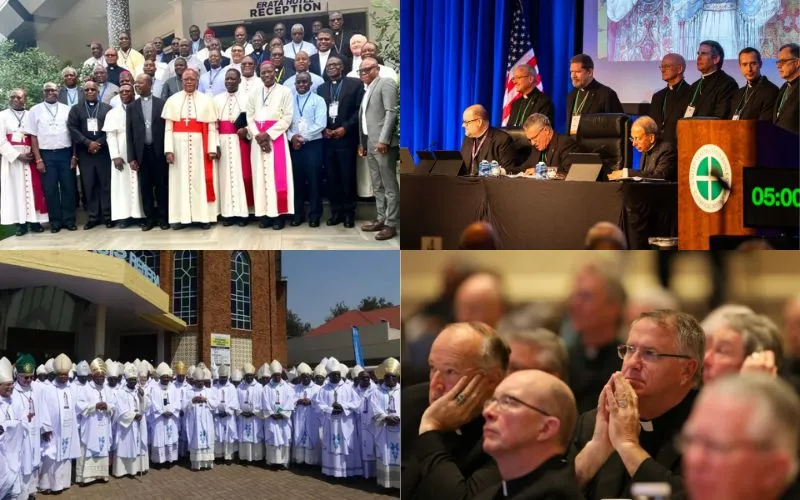

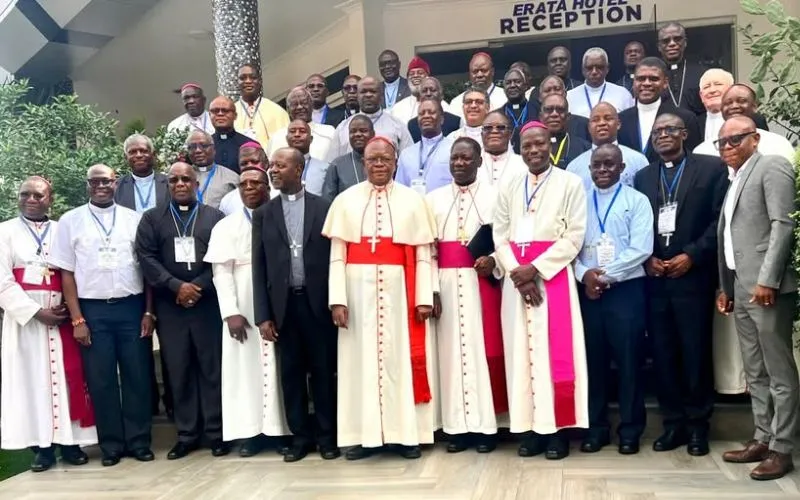 Members of the Standing Committee of the Symposium of Episcopal Conferences of Africa and Madagascar (SECAM). Credit: SECAM
 The plenary assembly of the United States Conference of Catholic Bishops gets underway on Nov. 11, 2025, at the Baltimore Marriott Waterfront. First row, left to right: Father Michael J.K. Fuller, general secretary; Archbishop Timothy P. Broglio, president, and Archbishop William E. Lori, vice president. | Credit: Jack Haskins/EWTN News
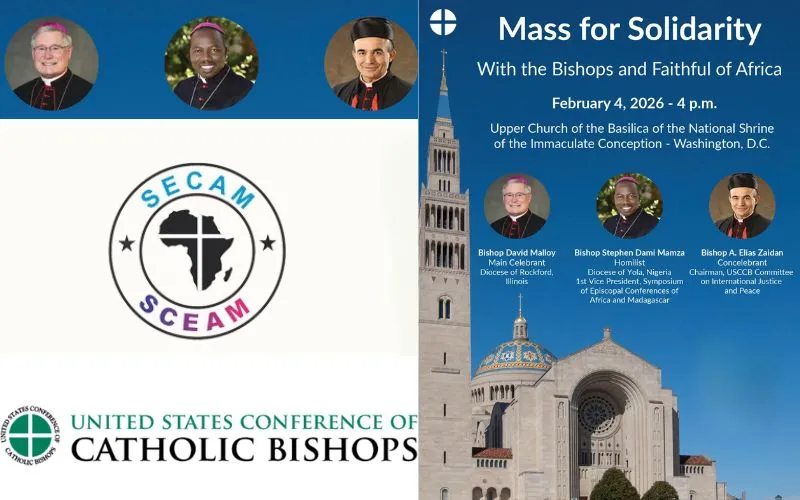 Credit: United States Conference of Catholic Bishops (USCCB)
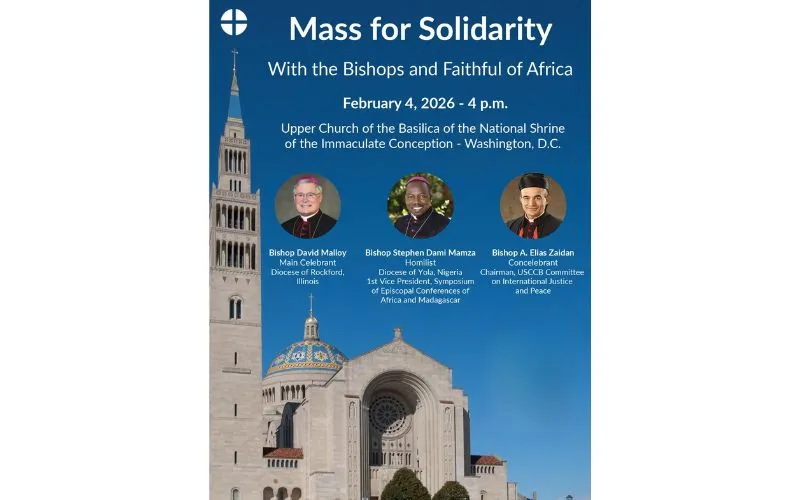 Credit: United States Conference of Catholic Bishops (USCCB)