In the November 3 report, one CI official is quoted as saying that “it is not enough to treat the symptoms of the crisis.”
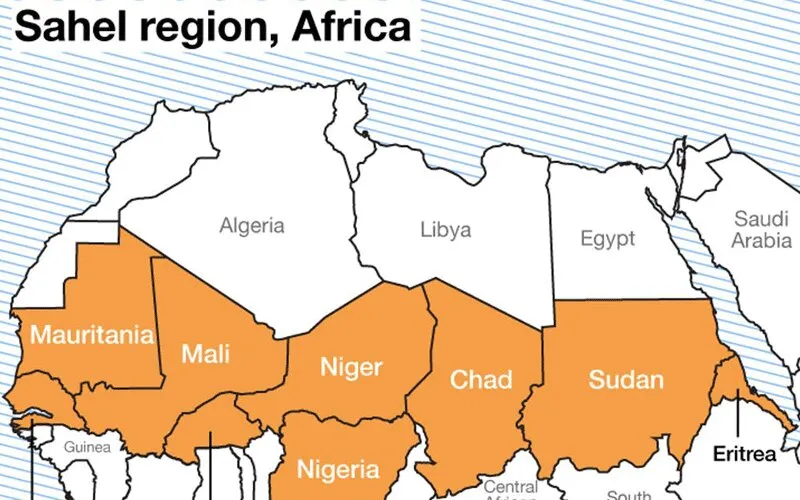
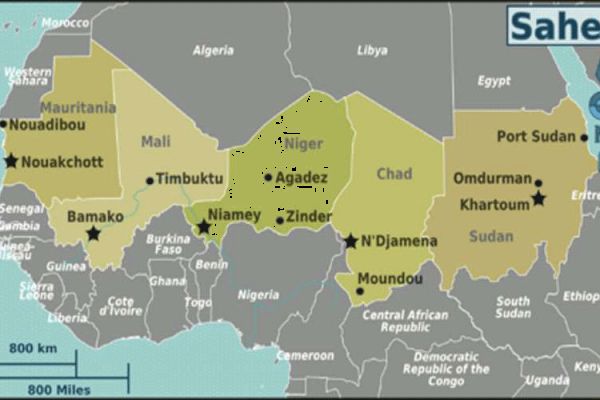
“The crisis in Central Sahel is rooted in issues of governance, the unequal distribution of wealth, lack of equitable access to resources, education and life opportunities by the poor, which in turn pushes many young people to join armed groups to escape poverty and injustice,” the CI officials explained during the October 20 round table virtual session.
Another line of action proposed for the Central Sahel region is the promotion of the “role of national and local civil society organizations, and community-based approaches, to addressing protection, social cohesion, conflict prevention and peacebuilding.”
The leadership of CI sees local leaders, including the religious, women, and youth as key in finding solutions to the Central Sahel crisis, contributing to the prevention of violence and the building of more cohesive communities.
Officials of the 162-member confederation encourage a greater focus on enabling local communities to find their own solutions. They suggest that donors “invest in interreligious programs between Christians and Muslims and others to help promote unity in local communities.”
In the November 3 report obtained by ACI Africa, CI leadership further suggests that particular attention is paid to vulnerable refugees, internally displaced persons and the support toward asylum seekers within the Central Sahel region.
“This means strengthening protection against human trafficking, maintaining family unity during displacement and supporting family reunification, registering stateless people and promoting the integration of IDPs in host communities, as well as training refugees as community leaders,” officials of the Italy-based agency explain.
Further, CI officials call for coordination between humanitarian development and peace actors, as well as between national and local Non-Governmental Organizations (NGOs) in the Central Sahel region.
“Local civil society and faith-based organizations, that should be involved in contributing to early warning systems, need assessments and the monitoring and evaluation of emergency, peacebuilding and development programs,” they say.
As a final line of action, CI leadership suggests that policymakers “strengthen inter-regional cooperation, which promotes a people-centered approach to peace and sustainable development, human security and the eradication of extreme poverty in line with Agenda 2063 proposed by the African Union.”