 Credit: ACI Africa
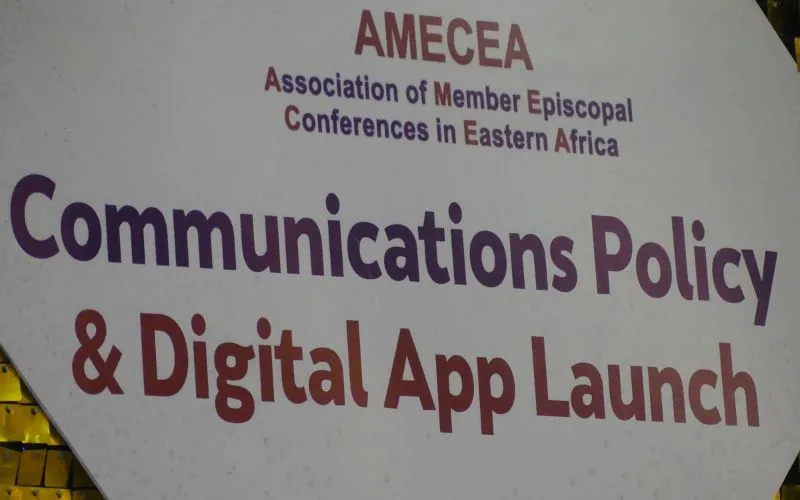
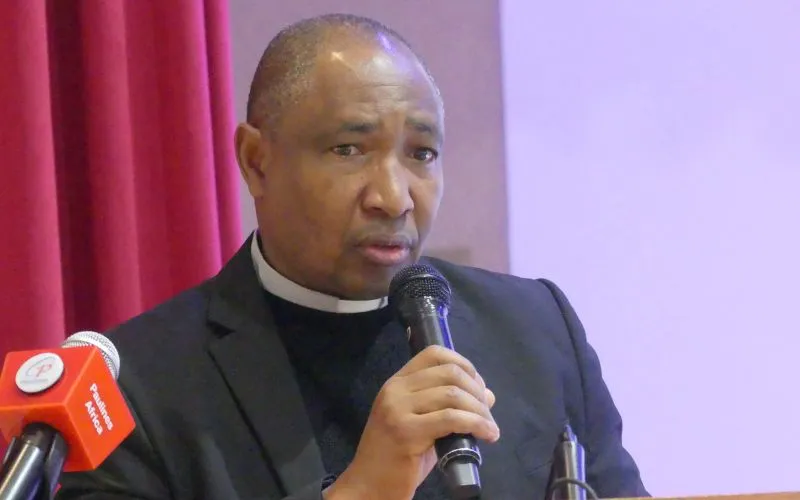
In his address, the Coordinator of the AMECEA Department of Social Communications, Fr. Andrew Kaufa, underlined the need for Catholic communications to be at par with others in technological advancements.
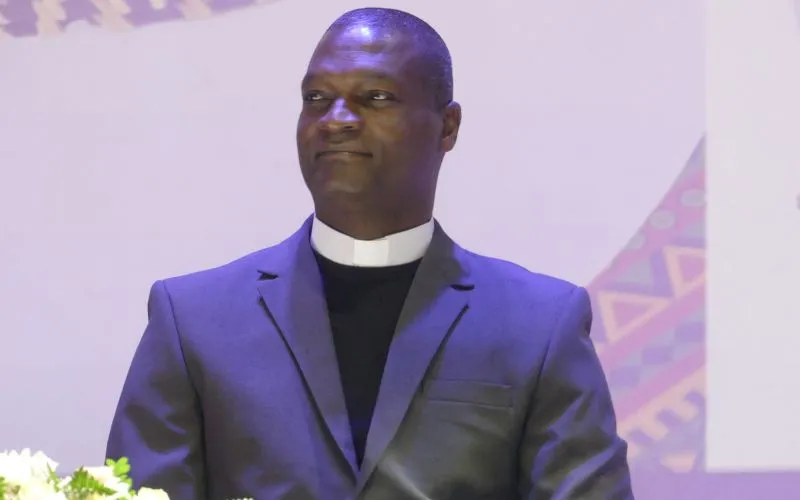
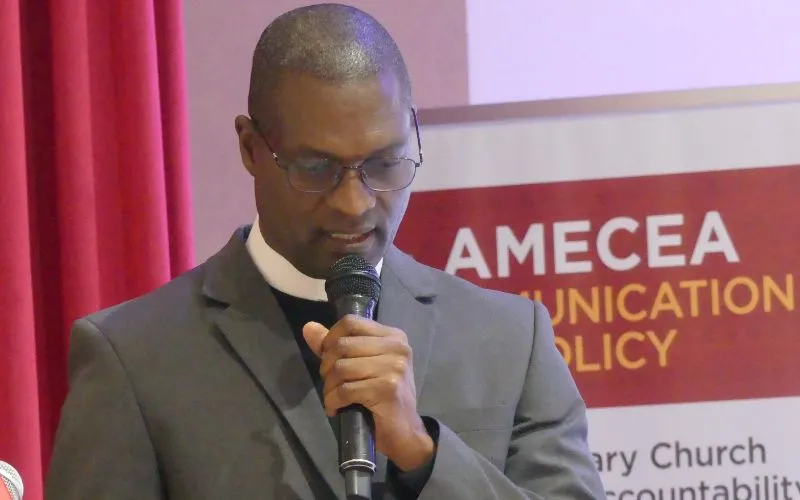 Fr. Andrew Kaufa. Credit: ACI Africa
“The Church finds itself in a digital environment where the methods of connecting, informing and uplifting communities are rapidly evolving,” Fr. Kaufa said.
The Malawian-born member of the Missionaries of the Company of Mary (SMM), also known as Montfort Missionaries, added that the Catholic Church, guided by the Vatican Dicastery for Communication, “reminds us that as these changes are taking place, the Church cannot afford to live in the digital environment as a stranger.”
(Story continues below)
 Credit: ACI Africa
“We have the obligation to ensure that our (Bishops’) Conferences are not left behind regarding technological advancement,” he said.
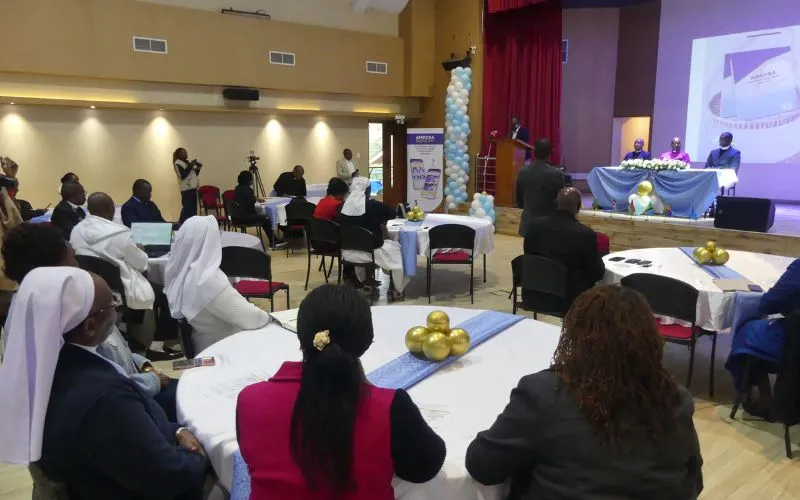
In an interview with ACI Africa on the sidelines of the August 18 launch, Fr. Kaufa emphasized that many changes had taken place since the last AMECEA communications policy developed in 2007.
 Credit: ACI Africa
The policy developed nearly two decades ago, he said, focused prominently on the new thing at that time: the Catholic radios.
“Since 2007, there have been so many changes technologically. Social media was just in the beginning. There was hardly any Catholic TV. There was nothing like Artificial Intelligence,” he said, and added, “This new policy had to address all these new developments.”
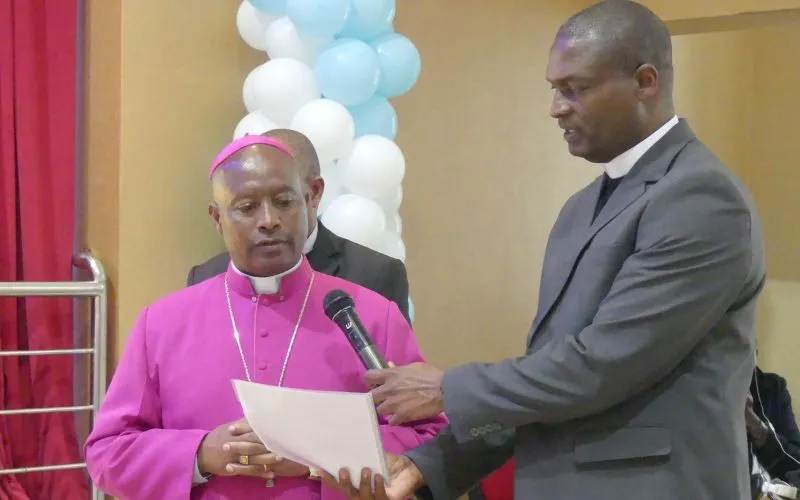
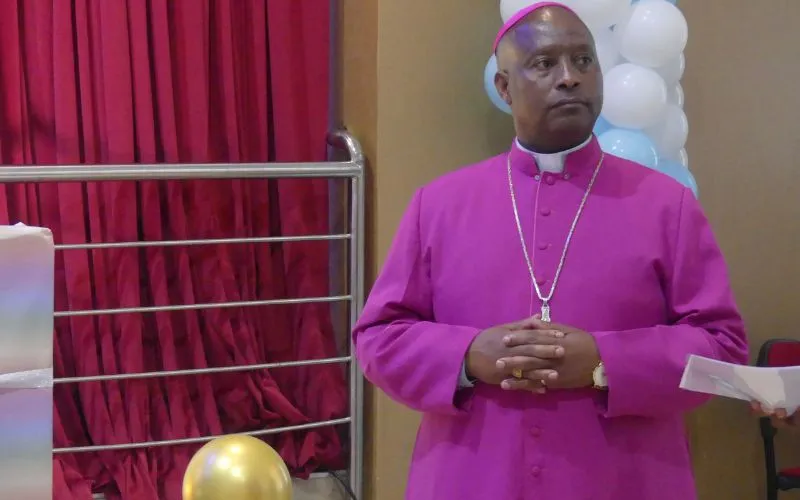
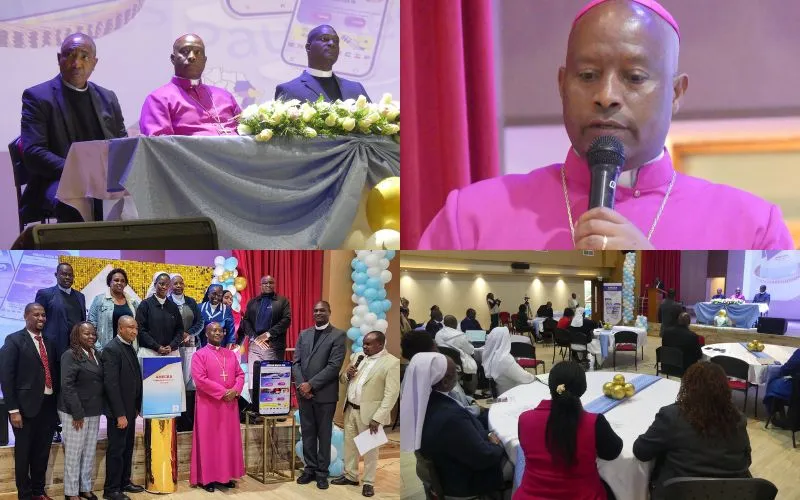
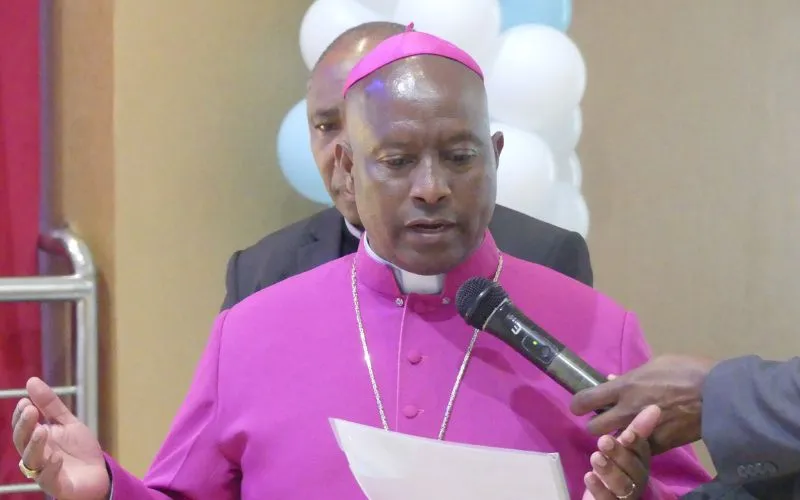
In his keynote address, Bishop Wallace spoke about the need for the Church in the AMECEA region to align its communication strategies with the demands of the current media landscape.
 Credit: ACI Africa
The Kenyan Catholic Bishop, who started his Episcopal Ministry in April 2024 as one of the three Auxiliary Bishops of ADN noted that communication is “no longer merely a tool for sharing information.”
“As Pope Francis reminded us, communication has become a new culture of encounter and connectivity. In this rapidly evolving digital landscape, the need for robust communication policies has never been more urgent or essential,” he said, adding that the AMECEA Communication Policy 2025-2035 “recognizes that we cannot afford to live like strangers in the digital environment.”
 Credit: ACI Africa
Bishop Wallace called on Catholic communicators in AMECEA not to look at the policies as “bureaucratic obstacles” but as liberating reforms.
For Catholic communicators, especially those serving in Dioceses and Bishops’ Conferences, policies help them to “prepare for the storms, helping us respond professionally and in a timely manner to misinformation,” he said.
Communication policies also prepare communicators to address scandals and “maintain credibility when the waves are highest,” the Chairman of the KCCB Commission for Social Communication said.
 Credit: ACI Africa
On safeguarding, he said communication policies help protect children and the vulnerable adults.
“The AMECEA policy emphasizes that safeguarding is not merely a procedural obligation, but a fundamental expression of the Church's mission to protect, to respect, and to uphold the inheritability of every person,” the Kenyan Catholic Bishop said.
He added, “In an age where digital harm can spread faster than wildfire, our communication policies become shields protecting those most at risk.”
 Credit: ACI Africa
In his address, Bishop Wallace further reminded Catholic communicators that the shift in the communication and media environment does not mean choosing between “ancient wisdom and modern tools” but uniting the two.
 Credit: ACI Africa
“We are reminded that artificial intelligence and human intelligence must work in harmony, serving humanity rather than dominating it,” he said.
 Credit: ACI Africa
Bishop Wallace appealed, “Let us embrace digital technology with wisdom. Let us not fear these new technological inventions, but rather harness them for content creation, for translation and data analysis, while maintaining the human touch that makes our gospel message authentic.”
Agnes Aineah is a Kenyan journalist with a background in digital and newspaper reporting. She holds a Master of Arts in Digital Journalism from the Aga Khan University, Graduate School of Media and Communications and a Bachelor's Degree in Linguistics, Media and Communications from Kenya's Moi University. Agnes currently serves as a journalist for ACI Africa.



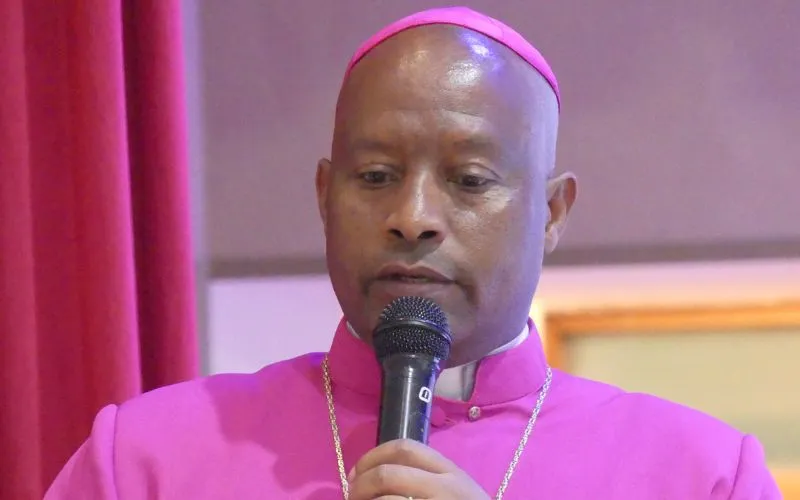 Bishop Wallace Ng’ang’a Gachihi. Credit: ACI Africa
 Credit: ACI Africa
 Fr. Anthony Makunde. Credit: ACI Africa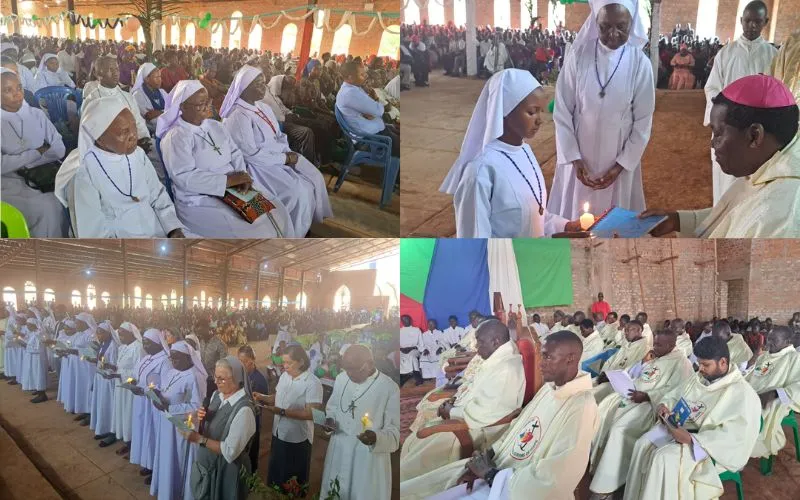
 Credit: ACI Africa