For Africa, Sr. Rfanyu proposed a Synodal model of counselling that synthesizes insights on healing and Synodality and offers practical pathways for implementation.
Over the years, she said that synods have played crucial roles in resolving doctrinal conflicts, shaping liturgy, and fostering ecclesial unity, thus fostering healing.
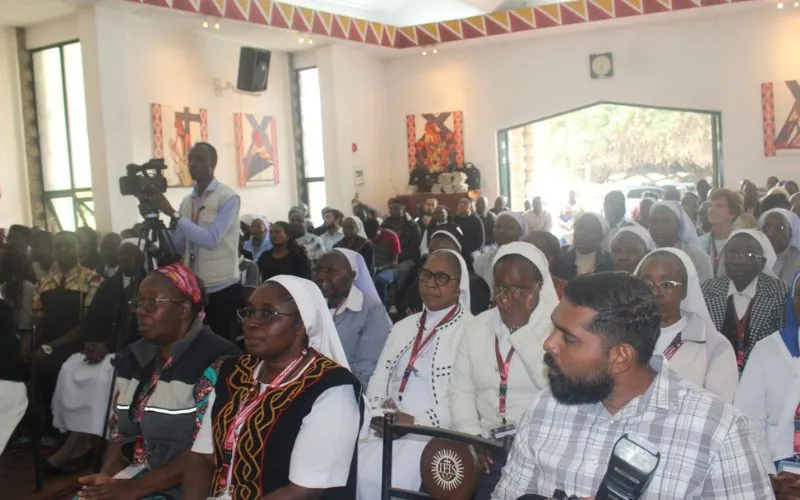 Credit: ACI Africa
“Synodality is more than a governance structure. It is a healing pathway for a Church wounded by clerical bias, clericalism, abuse, and fragmentation. It enables pastoral renewal by shifting focus towards inclusion, accountability, and mutual respect,” she said.
On theological justification for healing, Sr. Rfanyu said that “Christian anthropology views the human being as a unified whole—body, mind, and soul.”
(Story continues below)
“Theologically, healing is a core ministry of Christ and the Church. Jesus' public ministry involved restoring sight, speech, and dignity to the afflicted, modelling a holistic approach to salvation,” she said during her September 3 presentation.
She continued, “Counselling within the Church echoes this ministry by accompanying those who suffer and offering pathways to spiritual and emotional restoration.”
Sr. Rfanyu said that the integration of counselling within the synodal journey of the Church in Africa should not be perceived as merely a pastoral option but a theological and cultural imperative.
She emphasized that the wounds of the people of God in Africa, which include psychological, spiritual, and communal “demand a holistic response that draws on the best of both tradition and innovation.”
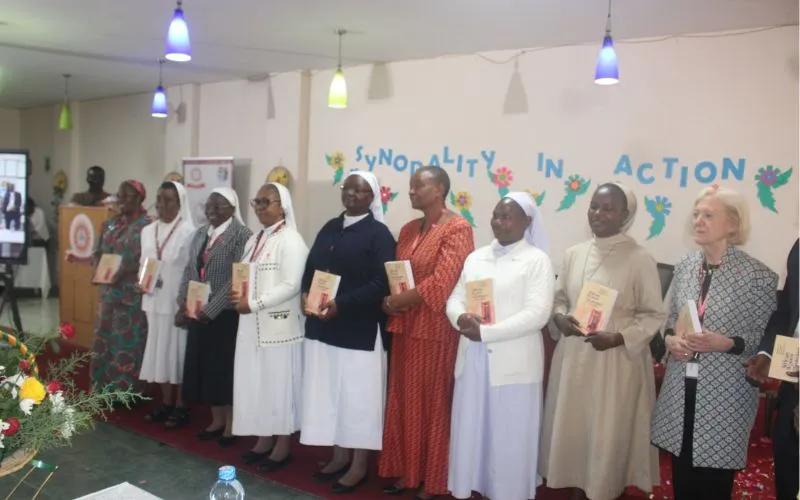 Credit: ACI Africa
“Synodality, rooted in the Church's identity as the People of God, provides a framework for participation, discernment, and healing,” she said, adding that counselling, on the other hand, which is grounded in both psychological theory and theological wisdom, offers practical tools for accompaniment, reconciliation, and restoration.
She said that the dialogue between psychology and theology, enriched by African communal tradition, points the way forward.
“By training pastoral agents, empowering small Christian communities, collaborating with professionals, and adapting models to local cultures, the Church can become a truth-filled hospital, a place where wounds are named, stories are heard, and healing is possible,” she said.
In doing so, Sr. Rfanyu said, “the Church in Africa not only responds to the urgent needs of its people but also offers a model of synodal healing for the universal Church.”
Silas Mwale Isenjia is a Kenyan journalist with a great zeal and interest for Catholic Church related communication. He holds a Bachelor’s Degree in Linguistics, Media and Communication from Moi University in Kenya. Silas has vast experience in the Media production industry. He currently works as a Journalist for ACI Africa.


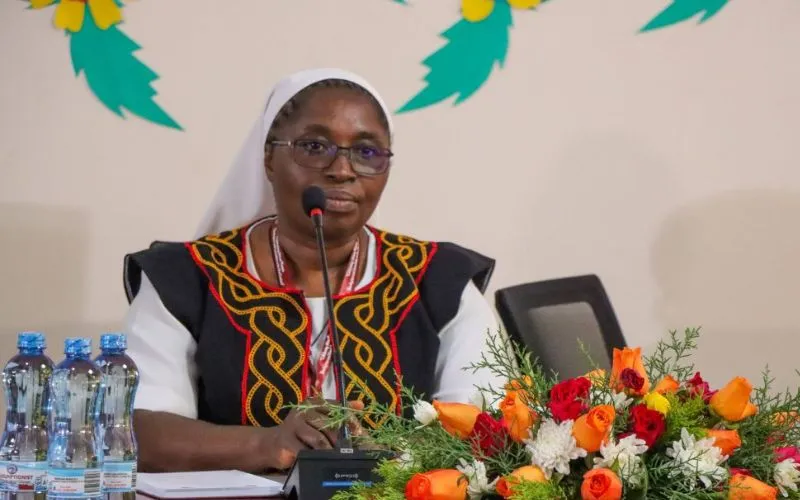

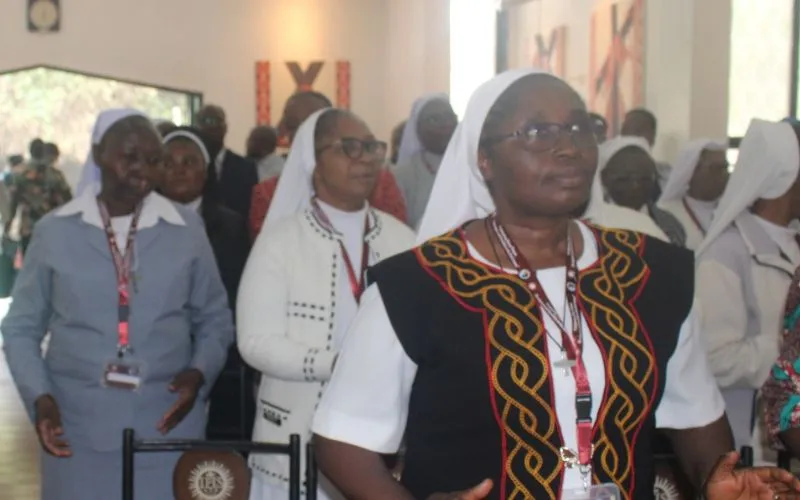 Sr. Gisela Rfanyu Shey. Credit: ACI Africa
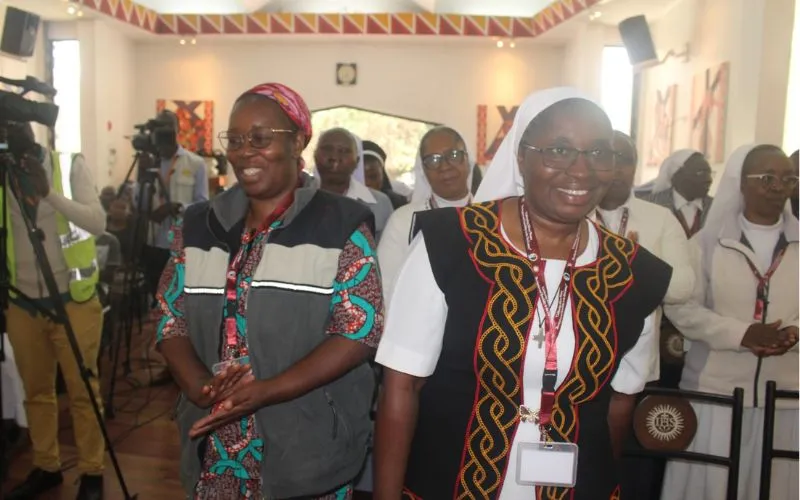 Sr. Gisela Rfanyu Shey. Credit: ACI Africa