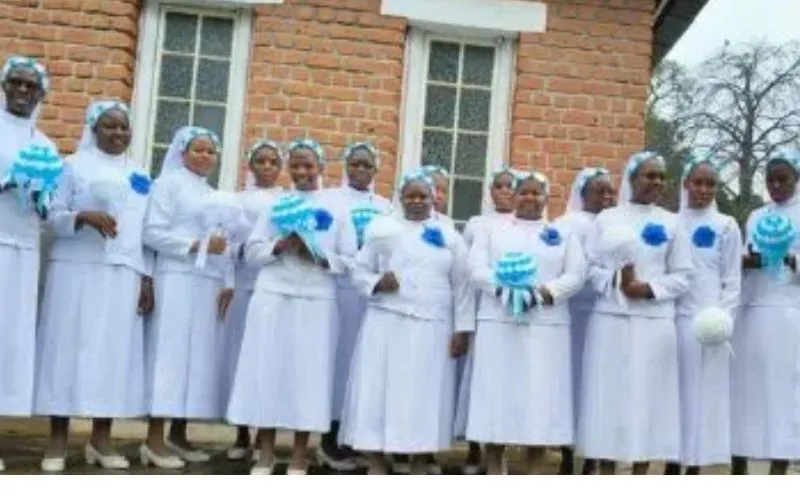
 Sisters of Mary of the Catholic Diocese of Kakamega: Diamond, Silver, and Perpetual Vows Celebration at Mother House, Mukumu. Credit: Sr. Irene Muhanga/LUBAO FM
According to Bishop Obanyi, the presence of members of Institutes of Consecrated Life and Societies of Apostolic Life is not merely symbolic but foundational to rebuilding trust and identity. “Their presence alone is able to instil a bit of confidence,” he said, noting that professional staff could later be integrated “without losing our own grip and identity.”
He also reiterated that reopening plans must be grounded in financial realism. In the interview, he detailed how an unsustainable wage bill, combined with delayed and inadequate reimbursements from SHA, had crippled the hospital. With about 260 workers, the hospital’s monthly salary costs alone stood at approximately KES 9 million (US$ 70,250.00), while total monthly expenditure reached KES 18 million (US$140,500.00). “If you don’t have patients in the wards and other services, but you must pay the workers KES 9 million per month… what do you expect?” he asked.
Because of this imbalance, Kakamega Diocese opted to declare redundancy, a decision Bishop Obanyi described as painful but unavoidable. “We declared redundancy … so that practically we don’t have anybody in terms of staff,” he said, explaining that this step created space to restructure operations and plan a sustainable restart while addressing outstanding dues.
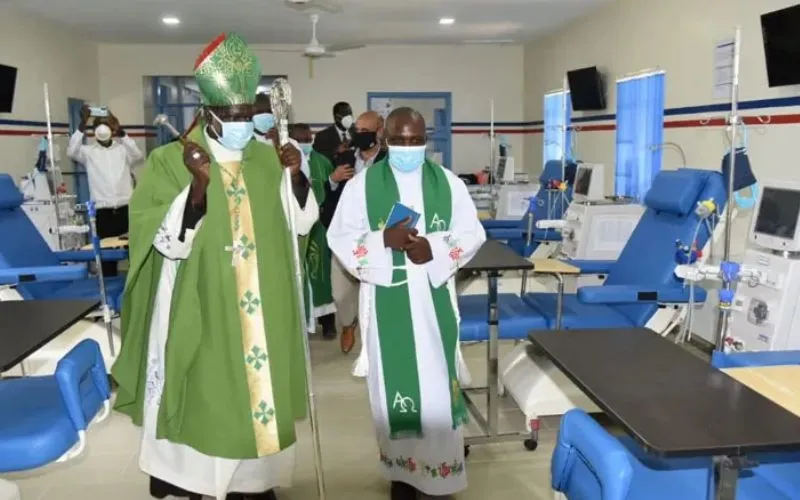 Bishop Joseph Obanyi of Kenya's Kakamega Diocese, accompanied by Fr. Columban Odhiambo, during the blessing of the new 19-bed capacity Renal Unit at St. Mary's Mumias Hospital. The initiative was realized in partnership with Africa Healthcare Network. Credit: St. Mary's Mumias Hospital/Kakamega Diocese.
(Story continues below)
Looking ahead, Bishop Obanyi told ACI Africa that his Diocese was cautiously targeting January 2026 as a possible window for reopening, subject to legal and logistical considerations. “By the end of January 2026, we’ll have probably come up with a modality of reopening,” he said, emphasizing that the timeline depended on resolving salary arrears and establishing viable income streams.
The Bishop also placed the hospital’s struggles within a broader socio-economic context, pointing to the collapse of Mumias Sugar Factory as a major external factor. The factory, once the economic backbone of the region, had provided a steady flow of patients and revenue, he explained.
While acknowledging management gaps over the years, Bishop Obanyi downplayed them as the primary cause of the crisis. “For me, it’s neither here nor there,” he said, describing the problems instead as “a cross-section of gaps” compounded by structural and economic shifts.
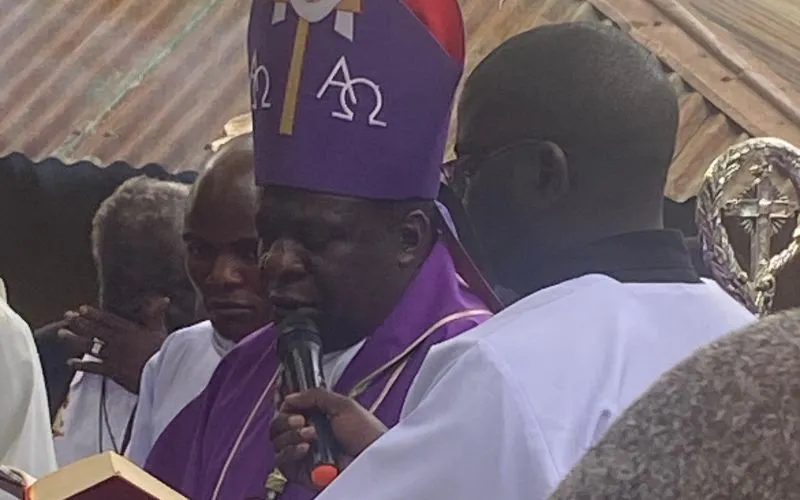 Credit: ACI Africa
Despite the setbacks, the native of Kenya’s Kisii Catholic Diocese expressed hope, framing the closure as a turning point rather than an endpoint. He described the experience as “a wake-up call” for Catholic health institutions to reassess their priorities and fidelity to mission. “What I think myself now is to restore our health facilities to be the mission health facilities that they were,” he said.
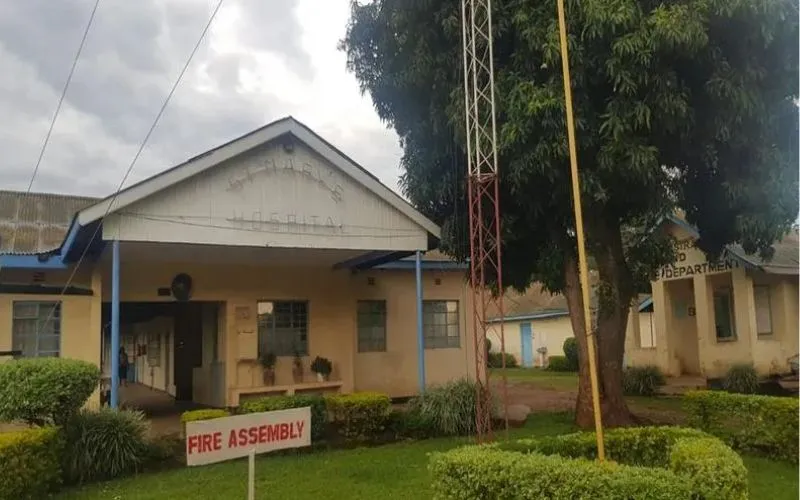 St. Mary's Mumias Mission Hospital. Credit: Fr. Columban Odhiambo
In a message to the local community that has relied on St. Mary’s Mumias Mission Hospital for generations, Bishop Obanyi urged patience and trust. “For the people who have basically always relied on Mumias hospital, I wish to tell them, don’t lose hope,” he told ACI Africa on December 29, and expressing confidence in a renewed beginning, added, “We are going to begin and begin well.”
Founded in 1932 by members of the Ursuline Sisters of Bergen in the Netherlands, St. Mary’s Mumias Mission Hospital began as a modest missionary health facility serving the people of God in Western Kenya.
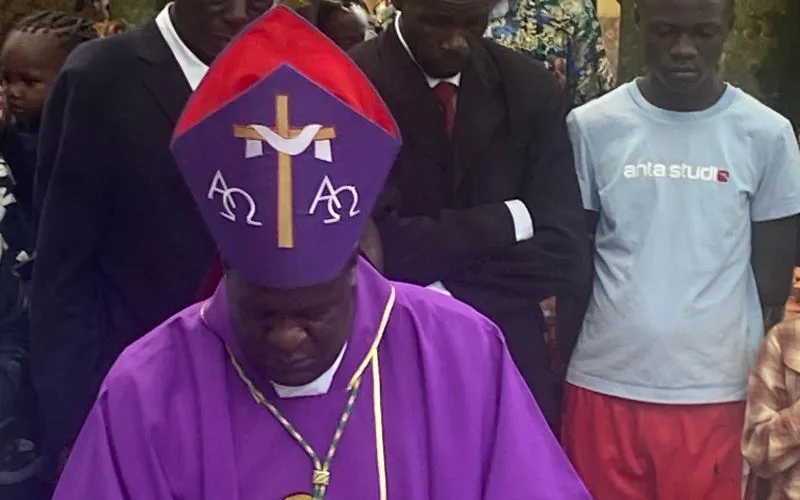 Credit: ACI Africa
Its early growth in the 1940s saw the construction of semi-permanent structures, followed by the first permanent building in 1960, now the hospital’s Administration Block. The appointment of the first medical doctor in 1971 marked a key professional milestone. In 1983, the Ursuline Sisters formally handed over the hospital to the Catholic Diocese of Kakamega.
Today, St. Mary’s Mumias Mission Hospital operates as a faith-based organization (FBO) governed by a board appointed by the Local Ordinary of Kakamega Diocese. Before closure, the health facility had evolved into a 255-bed teaching and referral hospital, with its early nurse aide training programme maturing into a fully fledged Medical Training College.
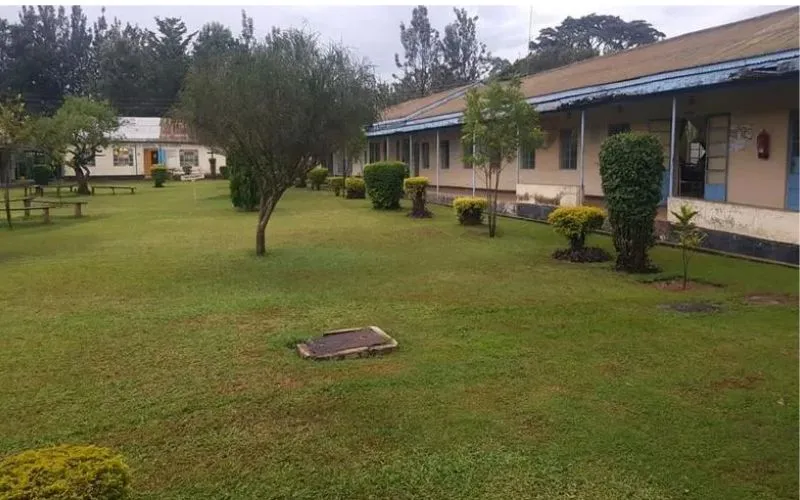 St. Mary's Mumias Mission Hospital. Credit: Fr. Columban Odhiambo
Guided by Catholic social teaching, the hospital has the mission “to provide holistic, patient centered, quality and affordable healthcare services in fulfillment of the healing Ministry of Jesus Christ.”
Its first strategic plan (2012–2017) and the subsequent one of 2022 – 2027 articulated a vision of regional leadership through strengthened governance, human capital, infrastructure, partnerships, service quality, and financial sustainability, according to a report ACI Africa obtained on January 22.
ACI Africa was founded in 2019. We provide free, up-to-the-minute news affecting the Catholic Church in Africa, giving particular emphasis to the words of the Holy Father and happenings of the Holy See, to any person with access to the internet. ACI Africa is proud to offer free access to its news items to Catholic dioceses, parishes, and websites, in order to increase awareness of the activities of the universal Church and to foster a sense of Catholic thought and culture in the life of every Catholic.


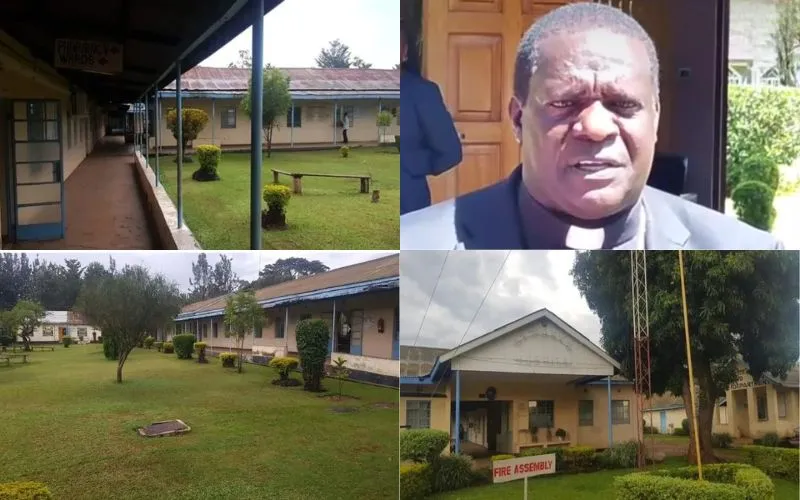

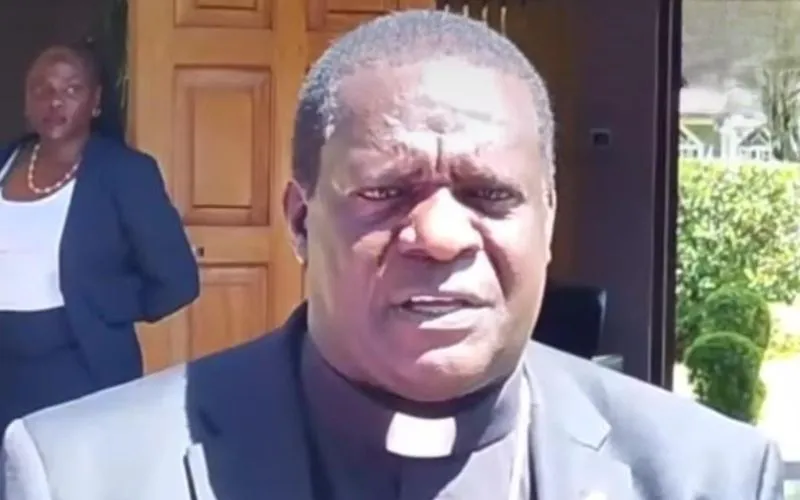 Bishop Joseph Obanyi Sagwe of Kakamega Diocese at Bishop Nicholas Stam Pastoral and Animation centre in Kakamega town. Credit: The Standard Media group
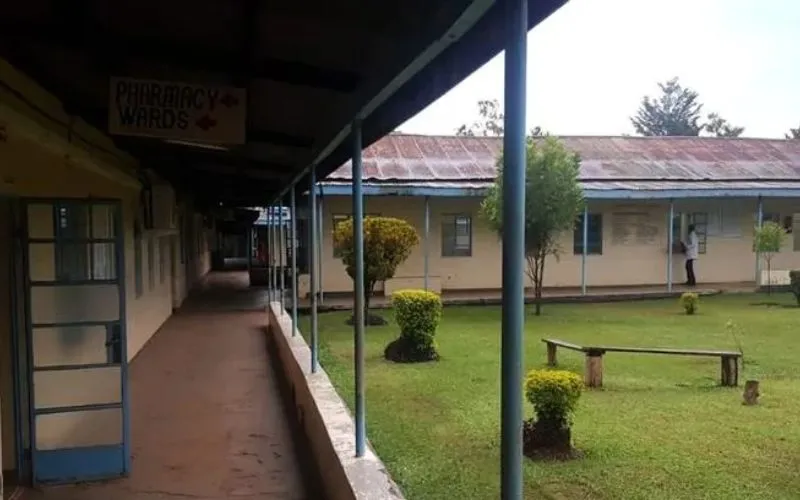 St. Mary's Mumias Mission Hospital. Credit: Fr. Columban Odhiambo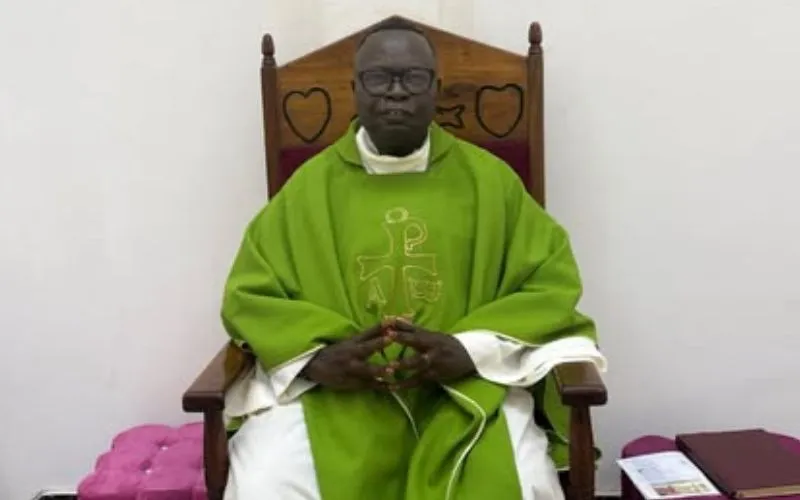
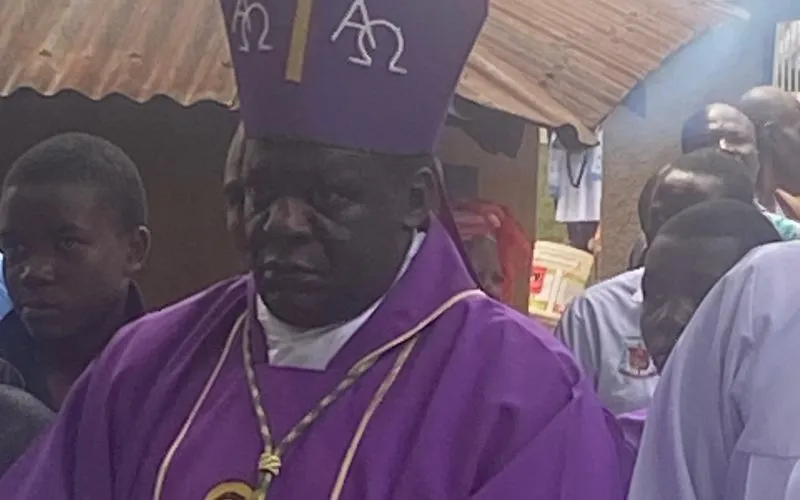 Bishop Joseph Obanyi of Kenya's Kakamega Diocese. Credit: ACI Africa