Advertisement
Death of Pope Francis
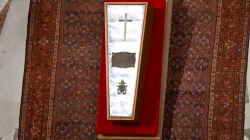
What to Know About Pope Francis’ Saturday Morning Funeral
Saturday’s funeral will kick off the traditional Novendiales, nine consecutive days of mourning for the suffrage of the late pope. He will be buried at the Basilica of St. Mary Major.
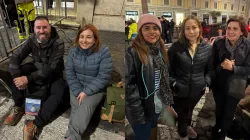
First Pilgrims Begin to Line up 12 hours Ahead of Pope Francis’ Funeral
The first of thousands of pilgrims were already lining up along the streets to catch a glimpse of the late pontiff as his body passes by on the way to the Basilica of St. Mary Major.
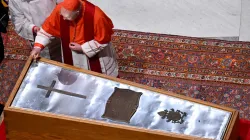
Pope Francis’ Coffin Closed in Private Ceremony in St. Peter’s Basilica
Cardinal Kevin Farrell, the camerlengo, presided over the rite of the closing and sealing of the coffin.
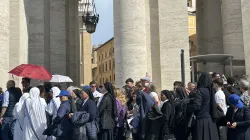
Catholics Bid Final Farewell as Pope Francis Lies in State at St. Peter’s Basilica
Long lines of mourners, many waiting more than four hours under the hot Roman sun, wound around St. Peter’s Square on the first day of viewing on April 23.
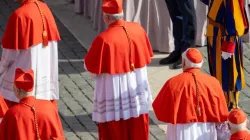
Cardinals Converge in Rome as Second General Congregation Gathers 103 Prelates
The College of Cardinals saw a significant increase in attendance at Wednesday's General Congregation, with 103 cardinals now present in Rome — nearly double the approximately 60 who participated in Tuesday's initial gathering.
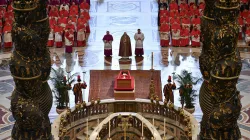
Pope Francis is Brought to St. Peter’s Basilica: Photos
The rite began in the chapel of the Casa Santa Marta and ended with the Holy Father’s body before the Altar of Confession in St. Peter’s Basilica.
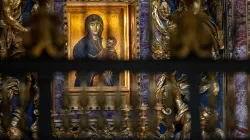
Who Are the Many Popes Not Buried in the Vatican?
Various factors are at play when it comes to the decision of a burial place for a pope. Pope Francis has chosen the Basilica Santa Maria Maggiore.
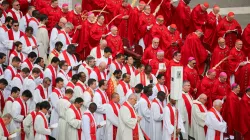
General Congregation of Cardinals Meeting Begins, Swear to Secrecy, Suspend beatifications, Choose Funeral Mass Date
At the first general congregation of cardinals in Rome on Tuesday, the estimated 60 cardinals in attendance chose the date of Pope Francis’ funeral.

The Last Time the World Saw Pope Francis
Pope Francis greeted the faithful around the world for the last time from St. Peter’s Basilica on the most important day for Christians: Easter.
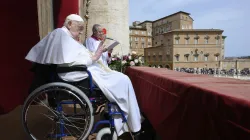
Pope Francis Made Final Call to Pastor of Gaza Parish on Holy Saturday, Two Days before Passing On
Father Gabriel Romanelli, the pastor of Holy Family Parish in Gaza, summed up Pope Francis’ last call on Saturday night, April 19, moments before the Easter Vigil.
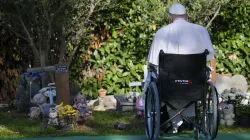
"Death is not the end of everything": Vatican Releases Pope Francis' Reflections on Aging, Dying
“We must not be afraid of old age, we must not fear embracing becoming old,” wrote Francis in the preface to a book in Italian by Cardinal Angelo Scola.
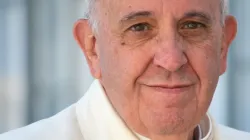
Pope Francis in His Own Words: 12 Key Quotes that Defined His 12-year Pontificate
His words often focused on the dignity of the poor, migrants, refugees, and the elderly as well as the importance of marriage, family life, and care for the environment.
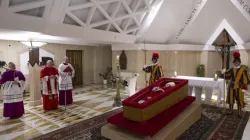
Vatican Releases First Photos of Pope Francis After His Death
The Vatican on Tuesday released the first photos of Pope Francis after his death, showing him dressed in red vestments and lying in a simple, wooden coffin inside the chapel of the Santa Marta guesthouse.
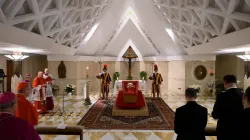
Pope Francis to Be Buried at St. Mary Major Basilica Following Saturday Funeral
In accordance with his personal wishes, Francis will not be buried in the Vatican grottoes but instead at the Basilica of St. Mary Major.

Pope Francis Died from Stroke, Coma, and Irreversible Cardiovascular Collapse: Vatican Physician
The Holy See on Monday evening released the death certificate detailing the cause of death of Pope Francis, who died in his Vatican apartment at 7:35 a.m. in Rome on April 21, the day after Easter.

EWTN CEO Michael Warsaw: Death of Pope Francis a "moment of personal grief" for Catholics
EWTN Chairman of the Board and CEO Michael Warsaw on Monday mourned the passing of Pope Francis, calling the pontiff’s death at 88 on Monday a “moment of personal grief for Catholics around the world.”
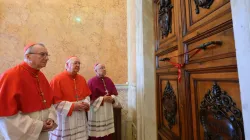
Pope Francis’ Death: Vatican Holds “rite of ascertainment of death, deposition in the coffin”
Cardinal Kevin Farrell presided over the rite in the chapel of Pope Francis’ Vatican residence, the Casa Santa Marta, just a little over 12 hours after the pontiff’s death.
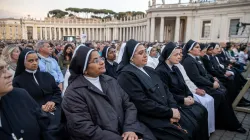
Thousands Gather for Holy Rosary in St. Peter’s Square after Pope Francis' Death: Photos
Thousands of Catholics gathered together in prayer for the Holy Father, who passed away at age 88 due to complications from a medical crisis earlier in the spring.
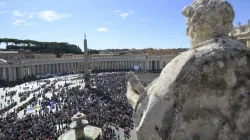
Pope Francis Has Died. What Happens Next?
The death of Pope Francis begins the so-called “sede vacante,” a period when the See of Peter lies vacant. The time of the sede vacante after the pope’s death brings with it a series of symbols, traditions, and protocols that have existed for centuries and express the papacy’s essence.