 Credit: Catholic Diocese of Oyo/Nigeria
“Part of the problem of Nigeria today is the failure in our assessment and evaluation methods,” he said, and added, “As they say, garbage in is garbage out.” While the example referred to national institutions, the implication for the Church meant that poor discernment at entry points leads to long-term damage in leadership and mission.
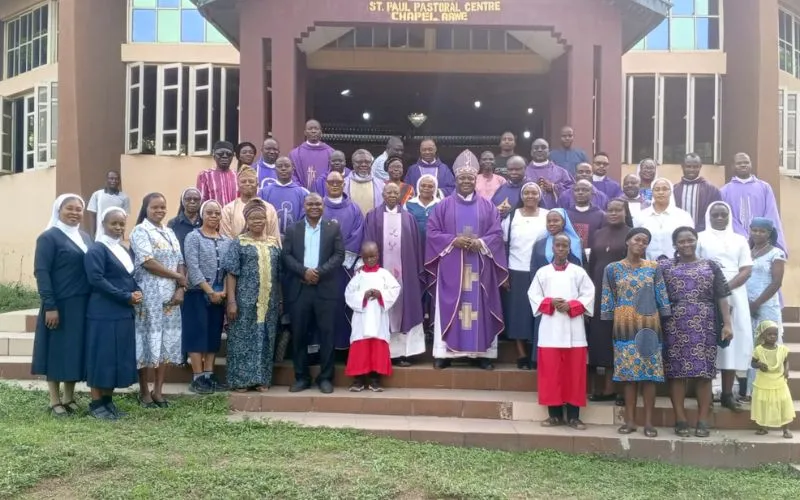
For Bishop Badejo, vocational discernment is not the concern of Bishops and formators alone. “The whole issue of training for Priestly and Religious Life is not just a matter for the Pope and the Bishops. It’s a matter that concerns everybody, including children,” he stressed, welcoming the presence of lay faithful, young people, and families in the training.
 Credit: Catholic Diocese of Oyo/Nigeria
Jesus Christ as the first Master of discernment
(Story continues below)
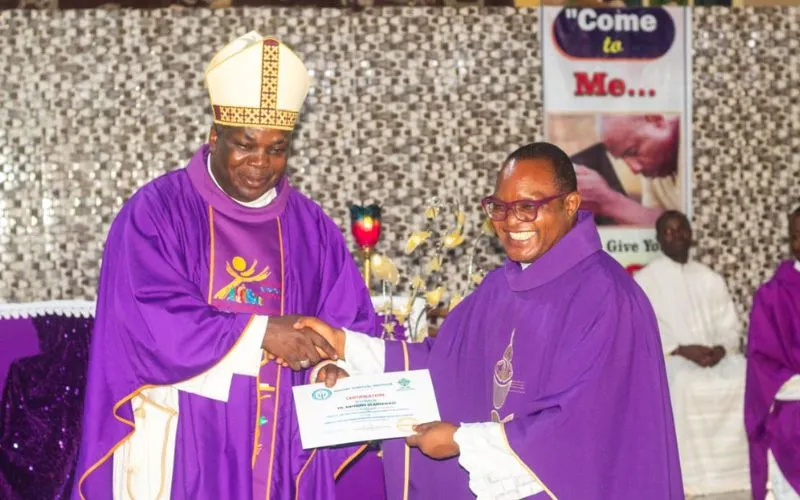
Anchoring his reflections in Scripture, Bishop Badejo reminded participants that vocational discernment has deep evangelical roots. “It is dear to the mind of God that those who choose to follow Christ be properly assessed and evaluated,” he said.
Recalling Christ’s encounters with would-be disciples, the Nigerian Catholic Bishop noted how Jesus tested readiness and freedom. “He made them leave their nets,” he said, warning that admitting those unwilling to detach from competing interests would be disastrous.
 Credit: Catholic Diocese of Oyo/Nigeria
“If we go and hire… who would never leave their nets into the Priesthood and Religious Life? They will be Priests and Sisters and still be fishing for crayfish and catfish,” he remarked.
Beneath the surface: Why modern tools are necessary
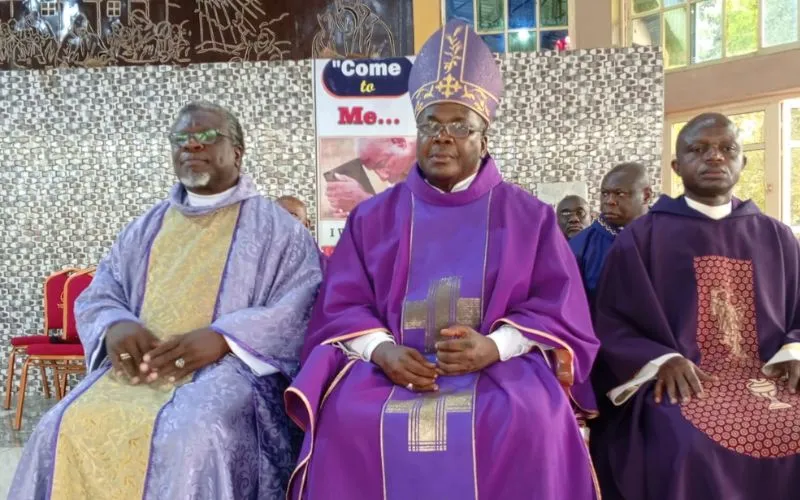
In his opening remarks, Bishop Badejo insisted that vocation cannot be judged by appearances alone. “If it had to do with looks, the place would be swarming with Priests,” he said, and added, “If it had to do with just intelligence, we would have more Priests than we need.”
 Credit: Catholic Diocese of Oyo/Nigeria
Instead, he warned, “the real issues are below the surface.” These hidden dimensions – emotional maturity, psychological integration, spiritual depth – require “modern day tools and expertise” to be responsibly discerned, he said.
He recalled earlier eras when formation was informal, even improvised, noting that such approaches are no longer viable. “Can we do that to anybody today?… You will already be a disaster. A time bomb,” Bishop Badejo said.
PARVAT and PARVAI: A holistic response to contemporary challenges
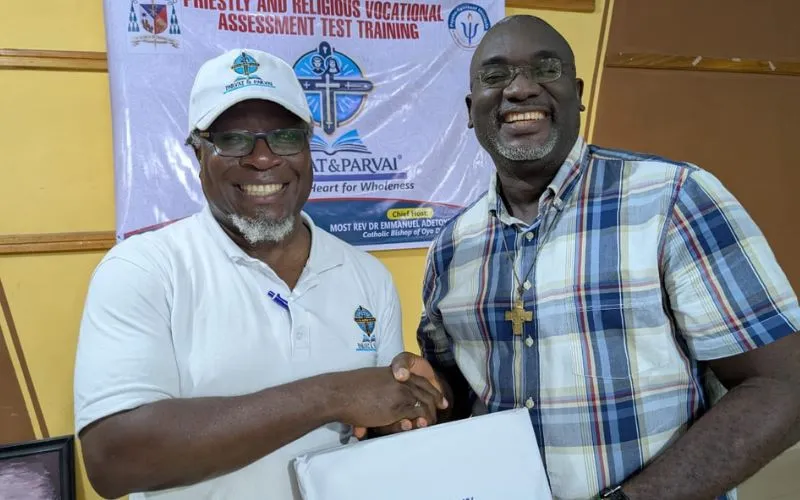
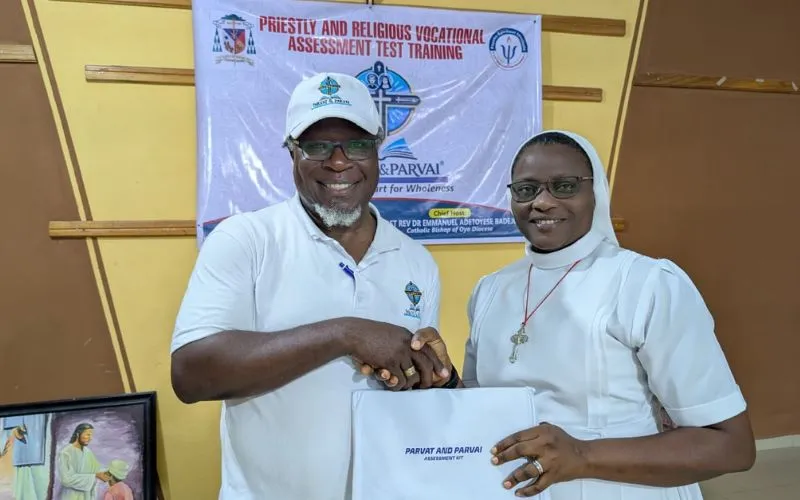
These concerns are what PARVAT and PARVAI seek to address. According to the concept note that Fr. Joyzy shared with ACI Africa, he designed the tools between 2021 and 2023 to move beyond standard psychological testing toward a holistic system integrating spiritual, pastoral, moral, and cultural dimensions of vocation.
 Credit: Catholic Diocese of Oyo/Nigeria
PARVAT and PARVAI aim to safeguard both the Church and candidates by identifying strengths and areas for growth, while also functioning as “pathways for healing, deeper self-understanding, and growth,” he stated, adding that rather than acting as barriers, they are intended to help candidates “flourish in their true calling.”
For Dioceses and Institutes of Consecrated Life and Societies of Apostolic Life (ICLSAL), the tools promise comprehensive insight that supports wise decision-making and builds a healthier Church.
 Credit: Catholic Diocese of Oyo/Nigeria
The urgent need for trained experts
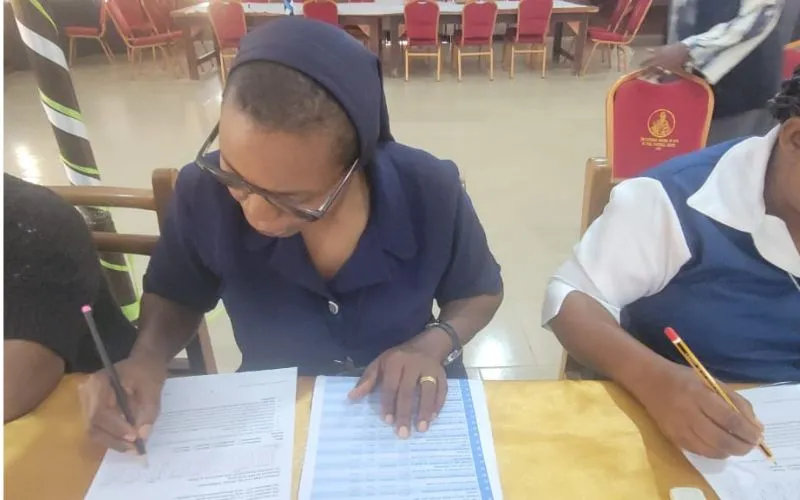
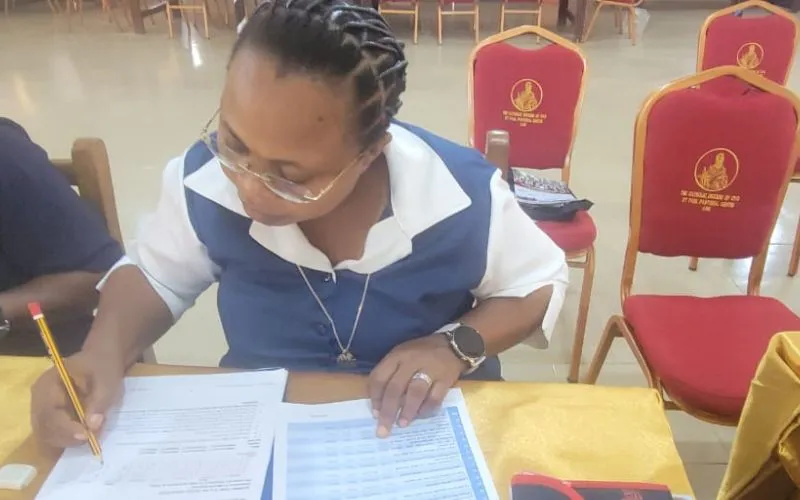
A key message from both the training and the concept note is the urgent need for qualified personnel. Fr. Joyzy emphasized that to unlock the full potential of PARVAT and PARVAI, the Church must invest in Priests and ICLSAL members who are trained psychiatrists, psychologists, counselors, or psycho-spiritual therapists.
Such training ensures assessments are conducted with ethical and pastoral sensitivity, interpreted within a Catholic framework, and handled with strict confidentiality.
 Credit: Catholic Diocese of Oyo/Nigeria
The appeal to Catholic Bishops and Major Superiors of ICLSAL is to “choose, raise, and support a new generation of healthy, holy, and truly called Priests and Religious.”
God writes straight on crooked lines
In his closing remarks, Bishop Badejo returned to Scripture, this time reflecting on the stories of Samson and Zechariah. He observed that stories communicate theology more powerfully than abstract concepts. “The Bible is full of stories, and Jesus Christ used stories a lot,” he said.
 Credit: Catholic Diocese of Oyo/Nigeria
Reflecting on the familiar saying that God writes straight on crooked lines, the Catholic Bishop said, “God writes straight on both, on crooked lines and on straight ones.” Whether through the deeply flawed Samson or the righteous but doubting Zechariah, God’s purpose prevailed.
Yet the lesson for vocational discernment for him was that even when God ultimately fulfills His mission, the human cost of poor discernment can be immense. Both crooked and straight lines, Bishop Badejo noted, “bear a lot of weight and stress.”
Instruments, not replacements for the Holy Spirit
Addressing concerns sometimes raised about psychological assessment, Bishop Badejo offered clarified, “God is the one who actually does this work by his Holy Spirit. We are just instruments along the way, privileged instruments.”
He recalled early resistance to psychological assessments in Seminaries, when some feared they implied that earlier generations of Priests were deficient. The truth, he said, lies in balance: assessments do not replace God’s action but assist the Church in cooperating responsibly with grace.
“Sometimes crooked, sometimes almost completely straight, but we are consoled by the fact that we are part of the story of how God gets the job done,” the Nigerian Catholic Church leader, who started his Episcopal Ministry in October 2007 as Coadjutor Bishop of Oyo Diocese said.
A call to Bishops and formation leaders across Africa
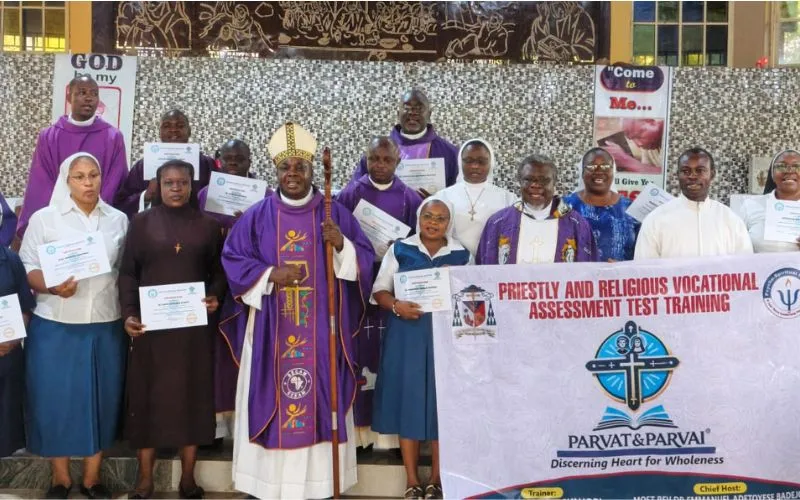
As the training concluded, Bishop Badejo’s message to Church leaders in Nigeria and across Africa was that vocational discernment today requires prayer, expertise, investment, and courage. It demands tools capable of engaging the complex realities young people bring into formation.
The member of the Vatican Dicastery for Communication since his appointment in December 2021 expressed gratitude to participants from other countries who attended despite security concerns, assuring them of safety and fraternity in Christ.
He prayed that all who took part in the training five-day training that concluded on December 19 would “go away more blessed than when you came here, and that the whole Church… will benefit from your service and vocation.”
Building a stronger Church for the future
As Fr. Joyzy noted in his concept note shared with ACI Africa, in a rapidly changing world, the Church’s mission depends profoundly on the quality of those entrusted with Priestly and Religious leadership.
The introduction of PARVAT and PARVAI in Nigeria signals a decisive step toward responsible, faith-filled discernment rooted in both tradition and professional competence.
Fr. Joyzy has noted that the time has come for Bishops, ICLSAL Superiors, and formation teams to act decisively. As he put it, “Discover PARVAT and PARVAI. Transform vocational discernment. Empower your candidates. Build a stronger Church.”
ACI Africa was founded in 2019. We provide free, up-to-the-minute news affecting the Catholic Church in Africa, giving particular emphasis to the words of the Holy Father and happenings of the Holy See, to any person with access to the internet. ACI Africa is proud to offer free access to its news items to Catholic dioceses, parishes, and websites, in order to increase awareness of the activities of the universal Church and to foster a sense of Catholic thought and culture in the life of every Catholic.



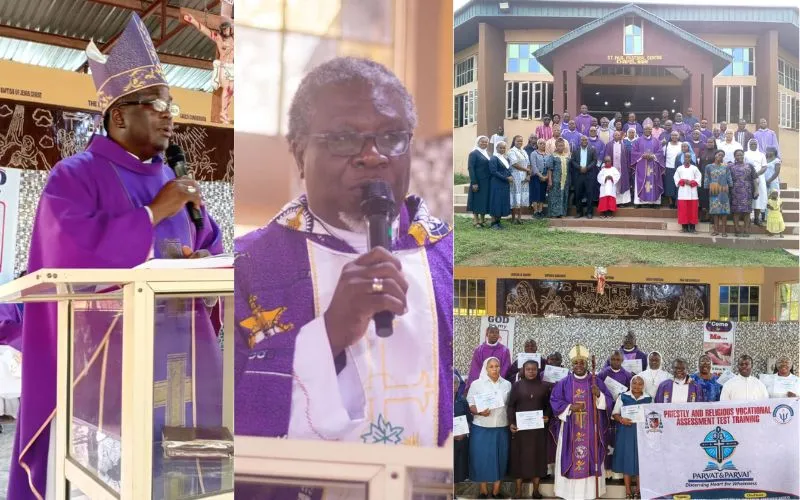

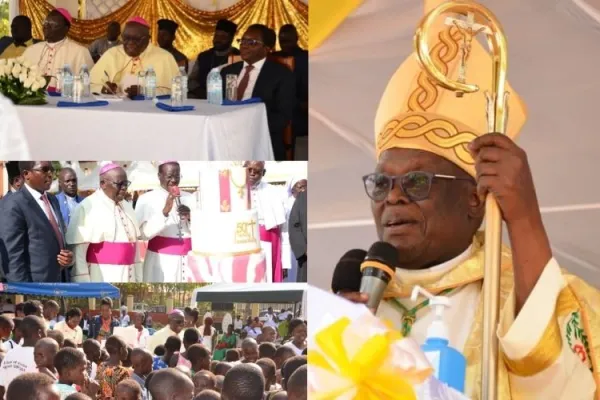
 Bishop Emmanuel Adetoyese Badejo:Credit: Catholic Diocese of Oyo/Nigeria
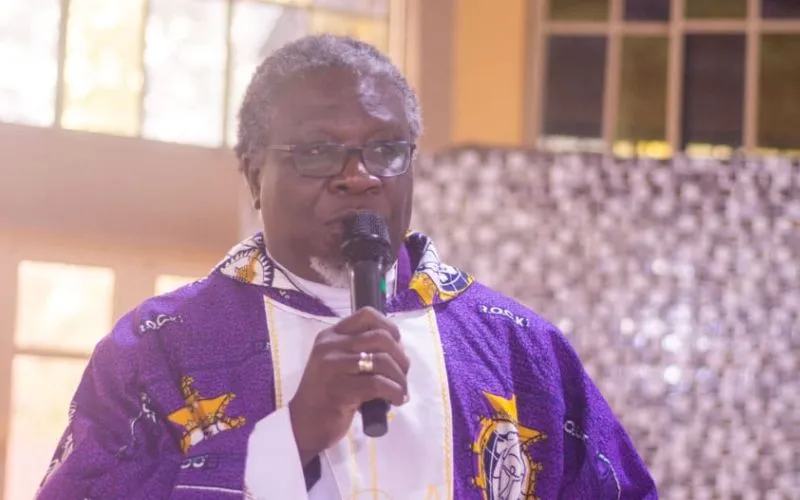 Fr. Joyzy Pius Egunjobi. Credit: Catholic Diocese of Oyo/Nigeria
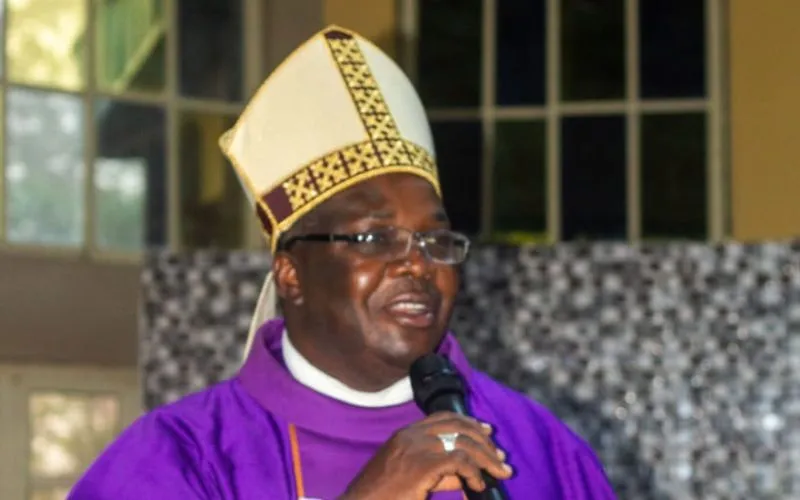 Credit: Catholic Diocese of Oyo/Nigeria
 Credit: Catholic Diocese of Oyo/Nigeria