

Advertisement
Fr. Marcel Uwineza
“Prophetic offering”: Catholic Sister in Review of Newly Launched Book at Conference of African Women Theologians
The new book, “African Women Theologians & Synodality,” unveiled at the September 2-6 African Women Theologians Conference in Nairobi, Kenya, is a prophetic call for the Catholic Church on the continent to embrace inclusivity and justice.
“Treated as amateurs”: African Women Theologians Ask to Be “taken seriously” in Academia
Theology is still a hostile space for women in Africa who are denied opportunities to contribute to the daily life of the Church alongside their male counterparts, participants in the ongoing Second African Women Theologians Conference have said.
Conference of African Women Theologians II Kicks Off with Invitation to Transfer Insights into Church Formation Programs
Participants in the Second African Women Theologians Conference 2025 who are gathering at Hekima University College (HUC) in Kenya’s capital city, Nairobi, have been challenged to transfer insights from the five-day convention into Church formation programs.
Nairobi-based Jesuit University College Lauded for Educating, Forming “men, women of integrity, competence, conscience”
Hekima University College (HUC), the 41-year-old Nairobi-based institution under the auspices of the Society of Jesus (SJ/Jesuits), has been instrumental in empowering the people of God with values that St. Ignatius of Loyola, the founder of the global Society, espoused, Archbishop Philip Anyolo Subira has said.
In Inaugural Lecture at Jesuit University in Kenya, Vatican Cardinal Explores Evolution of Power in Church, Society
The Chancellor of the Roman Curia, Ghanaian-born Peter Kodwo Appiah Cardinal Turkson, has addressed the evolving nature of power in ecclesial and societal contexts.
Stories of Rwandan Women “scarred by genocide” Must Be Told: Jesuit Priest on 30th Anniversary of Mass Killing
Women who were sexually assaulted, infected with diseases, and forced into exile, among other brutalities during the 1994 genocide against Tutsis remain deeply scarred three decades later, and their stories must be told, a Rwandan-born Jesuit Priest has said.
Laity in Africa Cautioned against Fostering Clericalism, Elevating “the Clergy too much”
Clericalism is not just a problem of the Clergy, members of the newly constituted Synodality Resource Team (SRT) for Africa have said, and called on the Laity to play their role in de-clericalizing the Church.
In New Book, Rwandan Priest Recounts Genocide Experience, Says Forgiveness “is a miracle”
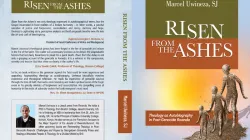
Fr. Marcel Uwineza was only 14 years old when he witnessed the painful experience of the 1994 genocide in Rwanda. He saw his father, mother, two brothers, and a sister murdered during the civil war between the Tutsis and Hutus.