Advertisement
Juba Archdiocese
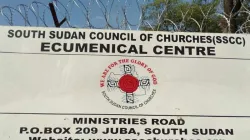
“We strongly denounce the recent and on-going violence”: Church Leaders in South Sudan
The representatives of various Christian denominations in South Sudan have, in a collective statement, denounced the violence in the Eastern Africa country following recent incidents in which several armed confrontations in some six States ended with hundreds of deaths and numerous injuries.
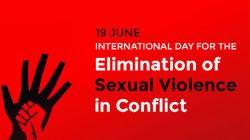
Church Leaders in South Sudan Appeal for Release of Abducted Women and Children
On the International Day for the Elimination of Sexual Violence in Conflict, church leaders in South Sudan have denounced conflict-related violence in the Eastern Africa country and appealed to those responsible for such violence to return abducted women and children used as sex slaves “to their respective communities.”
Vatican’s Donation Helps Realize Bishops’ Retirement Home in South Sudanese Archdiocese
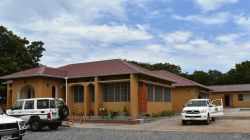
Retired Archbishop of Juba, Paolino Lukudu will be the first occupant of the first ever Bishops’ retirement home that has been erected by the Archdiocese with help from the Vatican and other donors. .
South Sudanese Cleric Calls for Effective Leadership amid COVID-19
A Catholic Priest in South Sudan has called on the government, churches, the civil society and families across the country to execute effective leadership during the outbreak of the COVID-19 pandemic, saying that the virus has presented itself as “a challenge and a litmus test to governments across the world.”
Why South Sudanese Archbishop Advocates for New Burial Traditions amid COVID-19
The Archbishop of Juba in South Sudan has called for a shift in burial traditions of people suspected to have died of COVID-19, calling on the citizens in the country to observe minimal contact with the bodies to avoid contagion.
“Christians, Muslims called to tear down walls raised out of fear”: South Sudanese Prelate
As Muslims celebrate Eid, marking the end of their holy month of Ramadan, the Archbishop of Juba in South Sudan has called on Christians and Muslims in the country to reach out to each other, breaking down barriers erected out of “fear and ignorance.”
Church Leader Wants “total lockdown” as South Sudan’s Dignitaries Test COVID-19 Positive
The fight against COVID-19 in South Sudan requires an application of stringent measures especially implementing “a total lockdown,” Archbishop Stephen Ameyu of the Archdiocese of Juba has suggested following reports of infections in the family of the country’s first Vice President (VP), Dr. Riek Machar alongside other government dignitaries.
Juba’s Archdiocesan COVID-19 Taskforce Created for “awareness”, Archbishop Explains
The recently created COVId-19 taskforce for the Archdiocese of Juba in South Sudan will reach out to people at the grassroots, raising awareness about the disease and providing assistance to patients, the Archbishop of Juba told ACI Africa in an interview.
“Pay Salaries on time, improve working conditions”: South Sudanese Archbishop to Employers
On the occasion of the globe celebration of the International Labor Day marked amid restrictions put in place by governments to contain the COVID-19 pandemic, the Archbishop South Sudan’s Juba Archdiocese has called on employers in both public and private sectors to ensure that salaries of employees are paid “at the right time” and that they work with dignity.
A Month after Protested Installation, South Sudanese Archbishop Says “so far so good”
One month after the installation of the new Archbishop of South Sudan’s Juba Archdiocese, which took place following months of protests characterized by strongly worded letters and threats, the South Sudanese Prelate says he has already started seeing signs of reconciliation and acceptance.
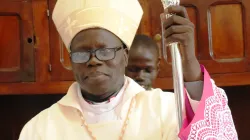
“Reconciliation the only remedy to this broken nation”: South Sudanese Prelate at Easter
The need for reconciliation in the world’s youngest nation where a government of national unity has recently been put in place was a key highlight of the Easter message of the Archbishop of the country’s only Metropolitan See, Juba Archdiocese. The South Sudanese Prelate described his country as “broken” and in need of “God’s intervention.”

South Sudan’s Juba Archdiocese Suspends Public Mass over COVID-19 in Neighboring Nations
In a keen adherence to the directives of South Sudan government to stop social gatherings as a measure to prevent the outbreak of COVID-19 in the East African country, which is yet to record a case of the deadly virus, the Catholic Archdiocese of Juba has announced the closure of all Catholic-run institutions in the country’s only Metropolitan See.
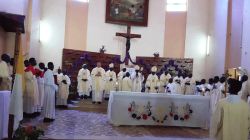
New Archbishop of South Sudan’s Juba Archdiocese Installed, Emeritus Wants “healing”
After months of a standoff pitting a section of the clergy and lay faithful of the Catholic Archdiocese of Juba in South Sudan and the Vatican over the Papal transfer of Bishop Stephen Ameyu from Torit to Juba, the new Archbishop was installed Sunday, March 22.
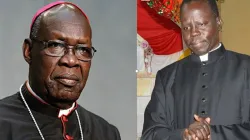
The Untold Story of South Sudan’s Juba Archdiocese, Archbishop-Elect Has His Work Cut Out
The story of those protesting against Pope Francis’ transfer of Bishop Stephen Ameyu from South Sudan’s Torit diocese to Juba Archdiocese seems to have received significant media coverage. There seems to be no evidence that the narrative of those at home with the planned change of guard in the Archdiocese has been given media visibility.

Plans underway for the installation of Juba Archbishop Elect, Vatican, Bishops Supportive
Plans are underway for the installation of the new Archbishop of South Sudan’s Archdiocese of Juba, Stephen Ameyu, with the Vatican and the Bishops in Sudan and South Sudan expressing full support of the event scheduled to take place on Sunday, March 22.
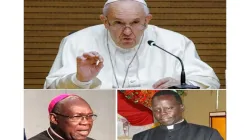
Beyond Press Statement: What Juba Archbishop Emeritus Told Journalists on Pope’s Decision
The controversy surrounding the appointment of South Sudanese Bishop Stephen Ameyu as the new Archbishop of Juba took a curious twist earlier this week when Archbishop Emeritus, Paolino Lukudu Loro not only broke his silence through a press statement but also spoke to journalists, accusing the Vatican of forcing the Archbishop elect on the people.
South Sudanese Priest Shares His Ordeal, Attackers “must have been manipulated by someone”
The South Sudanese Juba-based priest who was attacked by a group of Catholic youth protesting the appointment of a new Archbishop has, in an interview with ACI Africa, shared about the Sunday, March 8 episode saying he has no grudge with the youth and that they might have been misguided and “manipulated by someone.”
Back-and-forth Protests against Juba Archbishop-elect Get Violent, Emeritus Breaks Silence
Pope Francis’ reconfirmation of his earlier appointment of South Sudanese Bishop Stephen Ameyu as the new Archbishop of Juba was expected to put an end to the controversies around politics of succession in the only Metropolitan See of the world’s youngest nation.
Papal Transfer in South Sudan Reconfirmed, Installation Date of Archbishop Announced
Pope Francis has reconfirmed his earlier appointment of Bishop Stephen Ameyu of South Sudan’s Torit Diocese as the new Archbishop of the only Metropolitan See in the world’s youngest nation and announced the date of his installation, a move that seems to put an end to controversies around politics of succession in the Archdiocese of Juba.

A Laity’s Take of Protests against Papal Transfer of South Sudan’s Torit Bishop to Juba
As the people of God in South Sudan’s Juba Archdiocese await the decision of Pope Francis regarding his earlier transfer of Bishop Stephen Ameyu from Torit diocese to Juba, a Papal decision that was resisted by a section of clergy and laity, a South Sudanese lay faithful has, in a recent letter to ACI Africa, weighed in on the matter, highlighting issues he considers pertinent and making appeals to Church personnel to be obedient to the Vatican.