

Advertisement
ACI Africa
Catholic Clinic in South Sudan Closed Down After All Doctors Test Positive for COVID-19
A Catholic Health Centre of South Sudan’s Wau Diocese has temporarily shut down after the three only doctors at the facility tested positive for COVID-19 and have been isolated to monitor their respective health conditions.
Tanzanian Archbishop Urges Factual, Expert COVID-19 Information, Cautions against Fear
The Archbishop of Tanzania's Mbeya Archdiocese is advocating for factual information about COVID-19 in the East African nation.
Bishop in Botswana Recounts Ash Wednesday Experience amid COVID-19 Restrictions
The Bishop of Botswana’s Gaborone Diocese has recounted his experience of Ash Wednesday amid COVID-19 restrictions in the Southern African nation where public worship remains suspended.
South African Diocese Launches Initiative to Bring People Back to Church after Lockdown
South Africa’s Aliwal Diocese is planning a five-week program on reflections that are aimed at bringing people back to Church after a protracted COVID-19 lockdown in the country.
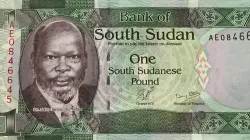
Introducing New Bank Notes Points to Corruption, Failing Economy: Bishop in South Sudan
A Catholic Bishop has criticized the South Sudanese government for introducing into circulation a one-thousand-pound banknote intended to clear away large amounts of smaller notes for transaction and to facilitate easier cash use in a soaring inflation.
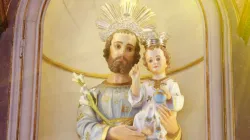
International Catholic Charity Targets Institutions Dedicated to St. Joseph in Latest Aid
The Catholic charity organization, Aid to the Church in Need (ACN) International, has announced a number of projects in Catholic Dioceses around the world that have received a boost, including those in Africa, that are under the patronage of St. Joseph.
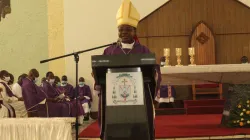
Parishes of Zambia’s Ndola Diocese with “high” COVID-19 Cases to Close, Bishop Directs
Parishes of Ndola Diocese that record “high” infections of COVID-19 among parishioners “shall close,” the Local Ordinary of the Zambian Diocese has directed.
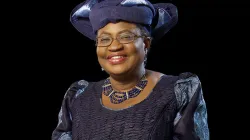
Christian Leaders in Nigeria Hail Appointment of Compatriot to World Trade Organization
Christian leaders in Nigeria have hailed the appointment of their compatriot, Dr. Ngozi Okonjo-Iweala, as the new Director General of the World Trade Organization (WTO).
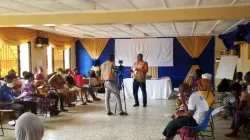
We Can’t Afford to Deal with Ebola Again, Cleric in Sierra Leone Says, Expresses Fear
A Catholic Priest in Sierra Leone’s Archdiocese of Freetown who was at the forefront of the fight against Ebola during the world’s worst outbreak of the disease in 2013 says the West African country does not have the capacity to fight the disease, which has already been reported in neighboring Guinea.
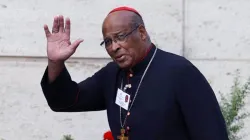
Cardinal in South Africa Appointed Apostolic Administrator of Country’s Eshowe Diocese
Pope Francis has appointed the Archbishop of Durban in South Africa, Wilfrid Cardinal Napier, as the Apostolic Administrator of the Diocese of Eshowe.
Bishops in Ghana Invite Catholics to Reconcile, Promote Justice, Peace During Lent
Catholic Bishops in Ghana have, in their Pastoral Letter for Lent 2021, invited the people of God in the West African nation to work toward strengthening their relationship with God, humanity and nature.
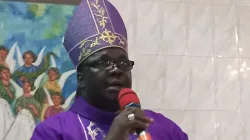
COVID-19 Isn’t Only Pandemic Assailing Nigeria, Bishop Says on Ash Wednesday
At the beginning of Lent, a Bishop in Nigeria has outlined other “pandemics”, which the West African country has to fight against besides COVID-19.
Jesuits in South Africa Provide Guide for Ash Wednesday Celebration “at home, in family”
Catholics who will not be going to Church for the celebration of Ash Wednesday that marks the beginning of Lent have the option of marking the event at home with their family members using a guide that has been developed by members of the Society of Jesus (Jesuits) at the Jesuit Institute South Africa.
Archbishop in Zimbabwe Urges Faithful to Facilitate Equipping Health Workers During Lent
During this year’s Lenten Season, an Archbishop in Zimbabwe is urging the people of God under his pastoral care to reach out to healthcare workers with essential equipment that can aid their efforts to fight COVID-19 pandemic.
Nigerian Archbishop Condemns Social Discrimination, Says Poverty Has Become a “disease”
The Archbishop of Nigeria’s Abuja Archdiocese has called for the bridging of social gaps in the West African country that he says has been riddled with discrimination, with poverty being labelled a “social disease.”
Catholic Health Workers in Zimbabwe Concerned about Lengthy COVID-19 Processes
The leadership of Catholic-run Muvonde Mission Hospital in Zimbabwe’s Gweru Diocese has expressed concerns over the length of time it takes to obtain COVID-19 results from samples collected from the health facility.
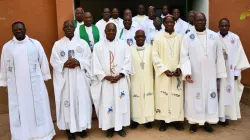
Bishops in Burkina Faso, Niger Express Concerns Over IDPs, Call for Peaceful Coexistence
Bishops in Burkina Faso and Niger have, in a collective statement, raised concerns about the increasing number of Internally Displaced Persons (IDPs) fleeing insecurity in the West African nation and called for peaceful coexistence between refugees and their host communities.
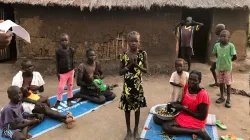
Salesian Missionaries Reach Out to Hundreds of Refugees Living with Disabilities in Uganda
Members of the Salesians of Don Bosco (SDB) have facilitated the provision of food aid and other humanitarian necessities to hundreds of refugees living with disabilities at the Don Bosco Palabek Refugee Resettlement Camp within Uganda’s Archdiocese of Gulu.
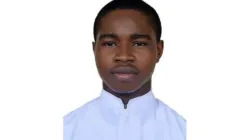
Since Murder of Seminarian Michael, “Harvest of death has gotten richer”: Nigerian Prelate
On the first burial anniversary of Seminarian Michael Nnadi, the Local Ordinary of Nigeria’s Sokoto Diocese has regretted the lack of progress in preventing abductions and murders.
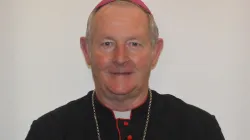
To Get COVID-19 Vaccine, Individual “to make that choice”: Bishop in South Africa
A Catholic Bishop has asked South Africans to make a personal decision on whether or not they want to get vaccinated against COVID-19.
Latest headlines