

Advertisement
Saint of the day
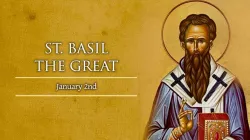
Today, Monday, January 2, We Celebrate the Memorial of St. Basil the Great
St. Basil, one of the most distinguished Doctors of the Church and Bishop of Caesarea, was likely born in 329 and died on January 1, 379.
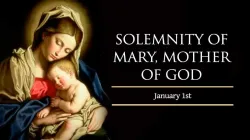
Today, Sunday, January 1, We Celebrate Solemnity of Mary, Mother of God
The title “Mother of God” goes back to the third or fourth century, but the Greek term Theotokos (“The God-bearer”) was officially consecrated as Catholic doctrine at the Council of Ephesus in 431, thus becoming the first Marian dogma. At the end of the Council of Ephesus, crowds of people marched through the streets shouting: “Praised be the Theotokos!”
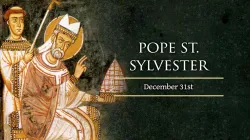
Today, December 31, We Celebrate the Feast of St. Sylvester, Pope
Saint Sylvester was born in Rome around the year 250. Not much is known about him, but legends surround him. Some legends state that at a young age, Sylvester was put under the care of a priest to be formed in the practice of religion and sacred literature.
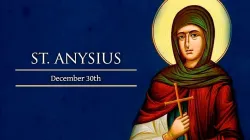
Today, December 30, We Celebrate St. Anysius
Saint Anysius was a Martyr of Greece. She was a wealthy woman of Salonika, in Thessaly, who used her personal funds to aid the poor.
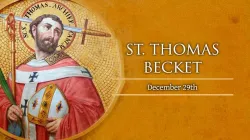
Today, Wednesday, December 29, We Celebrate the Memorial of St. Thomas Becket
St. Thomas was born in London, England around the year 1117. He was the son of pious parents, and his mother converted to Christianity through the example and teachings of his father. From his early youth, Thomas was educated in religion and holiness.
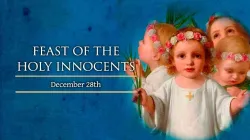
Today, Tuesday, December 28, We Celebrate the Holy Innocents' Day
The Holy Innocents are the children mentioned in the gospel of Matthew, chapter 2:16-18.
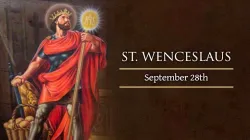
Today, September 28, We Celebrate St. Wenceslaus
On Sept. 28, the Catholic Church honors Saint Wenceslaus, a Central European ruler who died at the hands of his brother while seeking to strengthen the Catholic faith in his native Bohemia.
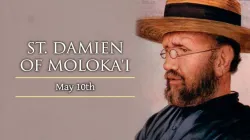
Today, May 10, We Celebrate St. Damien of Moloka'i
The Catholic Church remembers St. Damien of Molokai on May 10. The Belgian priest sacrificed his life and health to become a spiritual father to the victims of leprosy quarantined on a Hawaiian island.
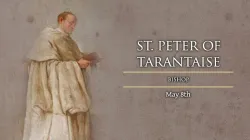
Today, May 8, We Celebrate St. Peter of Tarantaise, bishop
Peter was born near Vienne, France in 1102 and died at Bellevaux, France in 1175. He was canonized in 1191.
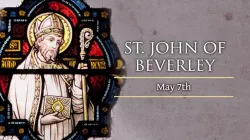
Today, May 7, We Celebrate St. John of Beverley
St. John of Beverley was the Bishop of Hexham, and later of York. He was born in Harpham, Yorkshire, and died in Beverley on May 7, 721.
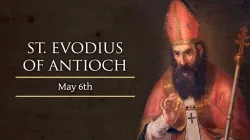
Today, May 6, We Celebrate St. Evodius of Antioch
Evodius was one of the 72 disciples of Christ, and Catholic tradition has always held that he was the first bishop of Antioch after St. Peter. However, we are not sure in what year he assumed the position.
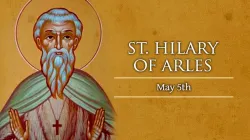
Today, May 5, We Celebrate St. Hilary of Arles
On May 5, Catholics celebrate Saint Hilary of Arles, a fifth-century bishop who gave up wealth and privilege in favor of austerity and sacrifice for the sake of the Church.
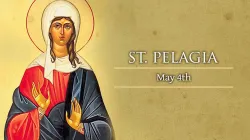
Today, May 4, We Celebrate St. Pelagia
Pelagia (originally Margarita) was born as the beautiful daughter of pagan parents, and was said to have caught the eye of the Emperor Diocletian's son.
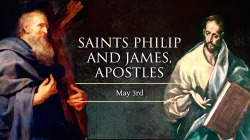
Today, May 3, We Celebrate Sts. Philip and James the Less, Apostles
Philip was born in Bethsaida in Galilee and was one of the 12 Apostles that Jesus called.
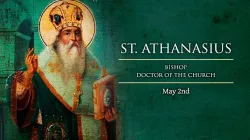
Today, May 2, We Celebrate St. Athanasius, doctor of the Church
Catholics honor St. Athanasius on May 2. The fourth century bishop is known as “the father of orthodoxy” for his absolute dedication to the doctrine of Christ's divinity.
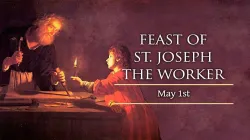
Today, May 1, is the Feast of St. Joseph the Worker
St. Joseph has two feast days on the liturgical calendar. The first is March 19—Joseph, the Husband of Mary. The second is May 1—Joseph, the Worker.

Today, April 30, We Celebrate Saint Pius V, Pope
St. Pius V was born Michele Ghislieri in 1504 to poor parents of noble lineage at Bosco, near Alexandria, Lombardy on January 17, 1504.

Today, April 29, We Celebrate St. Catherine of Siena
St. Catherine was a third-order Dominican, peacemaker and counselor to the Pope. She singlehandedly ended the Avignon exile of the successors of Peter in the 14th century.

Today, April 28, We Celebrate St. Louis-Marie Grignion de Montfort
On April 28, the universal Church celebrates the feast day of Louis-Marie de Monfort, a 17th century saint who is revered for his intense devotion to the Blessed Virgin Mary.

Today, April 27, We Celebrate St. Zita of Lucca
On April 27 the Catholic Church honors Saint Zita, a 13th century Italian woman whose humble and patient service to God has made her a patron saint of maids and other domestic workers.